The Durian Defense: How This Tropical Fruit Supports Your Immune System
The Enigmatic King of Fruits: A Narrative of Re-evaluation
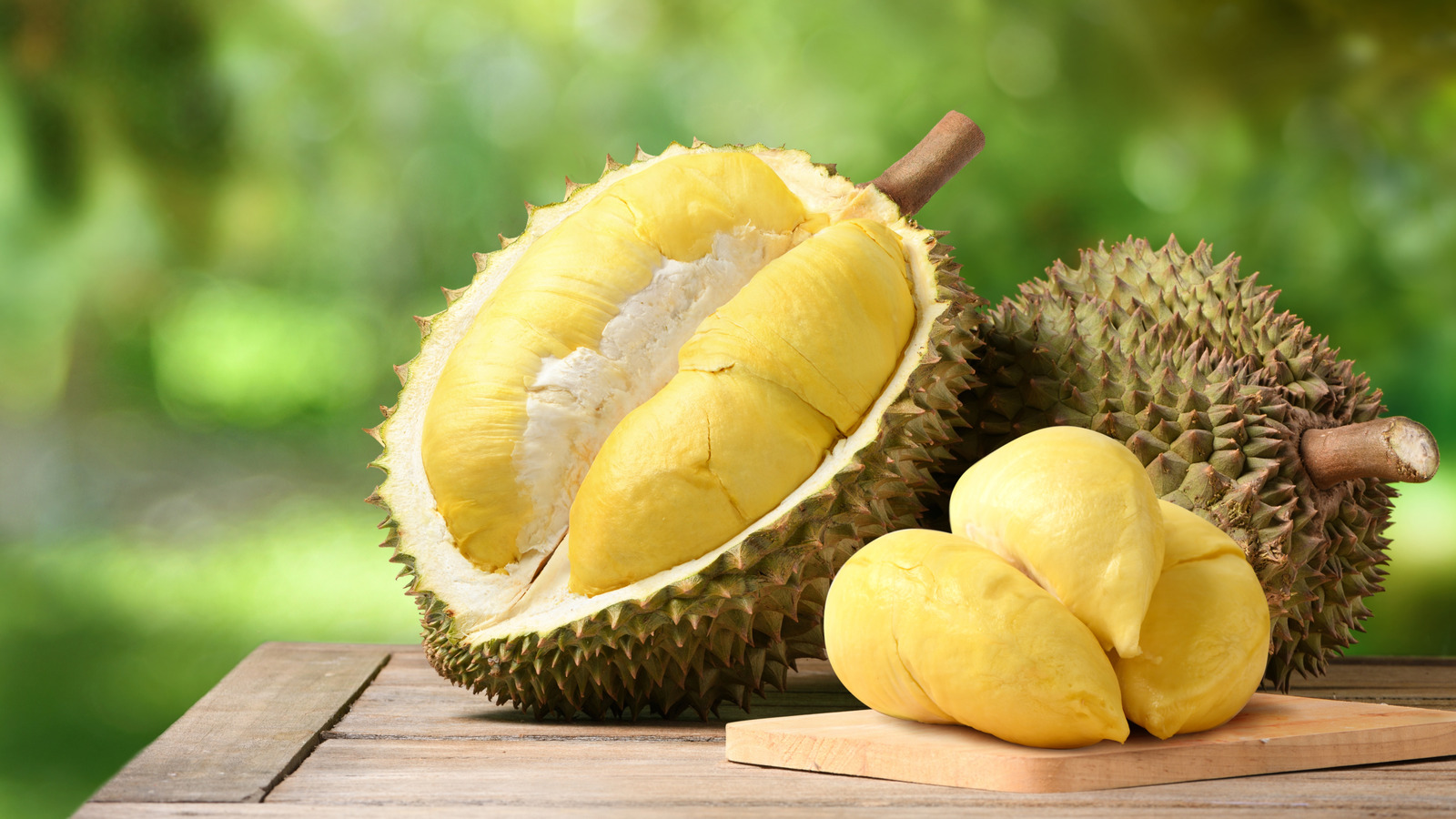
In the bustling, humid markets of Southeast Asia, a scent hangs heavy in the air – an aroma that divides humanity. For some, it is an irresistible perfume, promising creamy sweetness and exotic delight. For others, it is an olfactory assault, a pungent challenge to the senses, leading to its banishment from hotels and public transport. This is the durian, Durio zibethinus, the undisputed King of Fruits, a botanical marvel cloaked in formidable spikes and wrapped in an aura of both adoration and disdain.
For centuries, the durian has been revered in its native lands, not just for its unique flavor profile but also for its perceived health benefits. Traditional wisdom often attributes warming properties and restorative powers to its rich flesh. Yet, in the modern Western world, its potent aroma often overshadows its profound nutritional contributions. This article seeks to peel back the thorny exterior, moving beyond the sensationalism of its smell, to tell a story – the story of the durian as a formidable, multifaceted defender of our immune system.
In an era increasingly focused on proactive health and resilience, understanding the intricate ways our diet can bolster our body’s defenses has never been more critical. We will journey through the complex nutritional landscape of the durian, exploring its macro and micronutrient profiles, delving into its unique array of phytonutrients, and uncovering its crucial role in nurturing the gut microbiome – the very seat of our immune power. For the knowledgeable audience, accustomed to discerning fact from fad, this narrative will illuminate how the durian, often misunderstood, stands ready to contribute its formidable arsenal to the grand strategy of immune defense.
Chapter 1: Deconstructing the Durian – A Nutritional Profile Foundation
To truly appreciate durian’s immune-boosting prowess, we must first understand its foundational nutritional composition. Far from being an empty calorie indulgence, the durian is a dense package of energy, healthy fats, fiber, and an impressive spectrum of vitamins and minerals, all working in concert to support optimal bodily function, including the intricate machinery of the immune system.
At its core, durian is an energy powerhouse, providing a significant caloric intake, primarily from carbohydrates. These carbohydrates, mostly in the form of natural sugars, offer readily available fuel for our cells, including the highly active immune cells that demand constant energy to proliferate, migrate, and execute their defensive duties. Unlike refined sugars, however, durian’s natural sugars are accompanied by a wealth of other beneficial compounds, mitigating the rapid glycemic spike often associated with processed sweets.
Beyond its energy content, durian contains a notable amount of healthy fats. While the specific fatty acid profile can vary by cultivar, durian typically contains monounsaturated and polyunsaturated fats. These are essential for numerous bodily functions, including the absorption of fat-soluble vitamins (like Vitamin A and E, both immune modulators), cell membrane integrity, and the production of signaling molecules involved in immune responses. The presence of these beneficial fats distinguishes durian from many other fruits, offering a more satiating and nutritionally complex energy source.
Perhaps one of the most unsung heroes in durian’s nutritional profile is its substantial fiber content. Both soluble and insoluble fibers are present, playing distinct but complementary roles. Insoluble fiber adds bulk to stool, aiding digestive regularity – a crucial component of overall health and, as we will explore, immune function. Soluble fiber, on the other hand, forms a gel-like substance in the digestive tract, slowing glucose absorption and contributing to satiety. More critically for our narrative, soluble fiber acts as a potent prebiotic, feeding the beneficial bacteria in our gut microbiome, a topic we will delve into with significant detail.
But the true magic begins with the micronutrients. Durian is an excellent source of Vitamin C, a quintessential immune-boosting vitamin known for its antioxidant properties and its role in supporting various immune cell functions. It also delivers a rich array of B vitamins, including B6, B9 (folate), and B1 (thiamine). These B vitamins are indispensable for cellular metabolism, DNA synthesis, and the proper functioning of the nervous system, all of which indirectly but powerfully influence immune competence. Folate, in particular, is vital for cell division and the production of immune cells.
Furthermore, durian boasts an impressive mineral profile. It is notably high in potassium, an electrolyte crucial for fluid balance and nerve function. Manganese and copper, often overlooked, are essential cofactors for numerous enzymes, including powerful antioxidant enzymes that protect immune cells from oxidative damage. Iron, critical for oxygen transport and energy production, is also present, albeit in a non-heme form, contributing to the body’s overall vitality. Magnesium, involved in over 300 enzymatic reactions, supports muscle and nerve function, blood glucose control, and blood pressure regulation – all fundamental aspects of a body resilient enough to mount an effective immune response.
This comprehensive array of macronutrients and micronutrients forms the bedrock of durian’s immune-supportive capabilities. It’s not merely about individual components; it’s about the synergistic interplay of these elements, creating a nourishing environment where the immune system can thrive.
Chapter 2: The Phytonutrient Arsenal – Beyond the Basics
While vitamins and minerals are vital, the durian’s defense strategy extends far beyond them, leveraging a complex array of phytonutrients – bioactive plant compounds that contribute significantly to health, often through antioxidant, anti-inflammatory, and immune-modulating effects. This is where the durian truly distinguishes itself, offering a unique blend of compounds rarely found in such concentrations in other fruits.
Polyphenols and Flavonoids: The Antioxidant Guardians
Durian is particularly rich in various polyphenols and flavonoids, potent antioxidants that combat oxidative stress – a key contributor to chronic disease and immune dysfunction. Oxidative stress occurs when there’s an imbalance between free radical production and the body’s ability to neutralize them, leading to cellular damage. Immune cells are particularly vulnerable to this damage, which can impair their function.
Among the notable flavonoids found in durian are quercetin, anthocyanins, and catechins.
- Quercetin: This well-studied flavonoid is known for its powerful antioxidant and anti-inflammatory properties. In the context of immunity, quercetin has been shown to modulate immune cell signaling pathways, inhibit histamine release (important for allergic responses), and enhance the activity of certain immune cells. It can help stabilize mast cells and basophils, reducing the body’s inflammatory response.
- Anthocyanins: These pigments, responsible for the vibrant colors in many fruits (though durian’s flesh is typically pale yellow to deep orange), are potent free radical scavengers. They contribute to reducing inflammation and have been linked to improved vascular health, which indirectly supports immune cell transport throughout the body. Certain durian varieties, particularly those with reddish hues, will be richer in these compounds.
- Catechins: Commonly found in green tea, catechins are another class of flavonoids with significant antioxidant capacity. They can protect cells from damage, influence immune cell proliferation, and modulate cytokine production – the signaling molecules that orchestrate immune responses.
These polyphenols act by directly neutralizing free radicals, chelating metal ions that can catalyze oxidative reactions, and upregulating the body’s endogenous antioxidant defense systems, such as glutathione and superoxide dismutase. By reducing the overall oxidative burden, they help preserve the integrity and function of immune cells, allowing them to perform their duties more effectively.
Carotenoids: Precursors to Immune Vitality
The characteristic yellow and orange hues of durian flesh are largely due to the presence of carotenoids, notably beta-carotene. Beta-carotene is a precursor to Vitamin A, an absolutely critical fat-soluble vitamin for immune health. Vitamin A plays a fundamental role in the development and differentiation of various immune cells, including T and B lymphocytes. It is also essential for maintaining the integrity of mucosal barriers (e.g., in the gut, respiratory tract, and skin), which form the body’s first line of defense against pathogens. A robust mucosal barrier prevents pathogens from entering the bloodstream, effectively reducing the workload on the systemic immune system.
Organosulfur Compounds: The Scent and the Science
The notorious aroma of durian is attributed to a complex mixture of volatile organosulfur compounds. While these compounds are often the source of its polarizing smell, similar compounds found in alliums (garlic, onions) and cruciferous vegetables (broccoli, cabbage) have been extensively studied for their health benefits, including antioxidant and detoxification properties. While direct immune-modulating effects of durian’s specific organosulfur compounds are less studied than those in garlic, the broader class of compounds is known to influence liver detoxification pathways, which in turn reduces the body’s toxic load and supports overall systemic health, indirectly benefiting the immune system. It’s a fascinating area ripe for further research, suggesting that even the very compounds responsible for its distinct identity may hold therapeutic potential.
Tryptophan: The Mood-Immunity Link
Durian also contains a notable amount of tryptophan, an essential amino acid. Tryptophan is a precursor to serotonin, a neurotransmitter crucial for mood regulation, and melatonin, a hormone vital for sleep-wake cycles. The connection between mood, sleep, and immunity is profound. Chronic stress, poor sleep, and depression are well-documented suppressors of immune function. By potentially supporting healthy serotonin and melatonin levels, durian could indirectly contribute to a more balanced mood and better sleep quality, thereby fostering an environment where the immune system can function optimally. A well-rested, less stressed body is inherently more resilient to infection.


Post Comment