Sip Your Way to Immunity: The Antiviral Properties of Fresh Coconut Milk
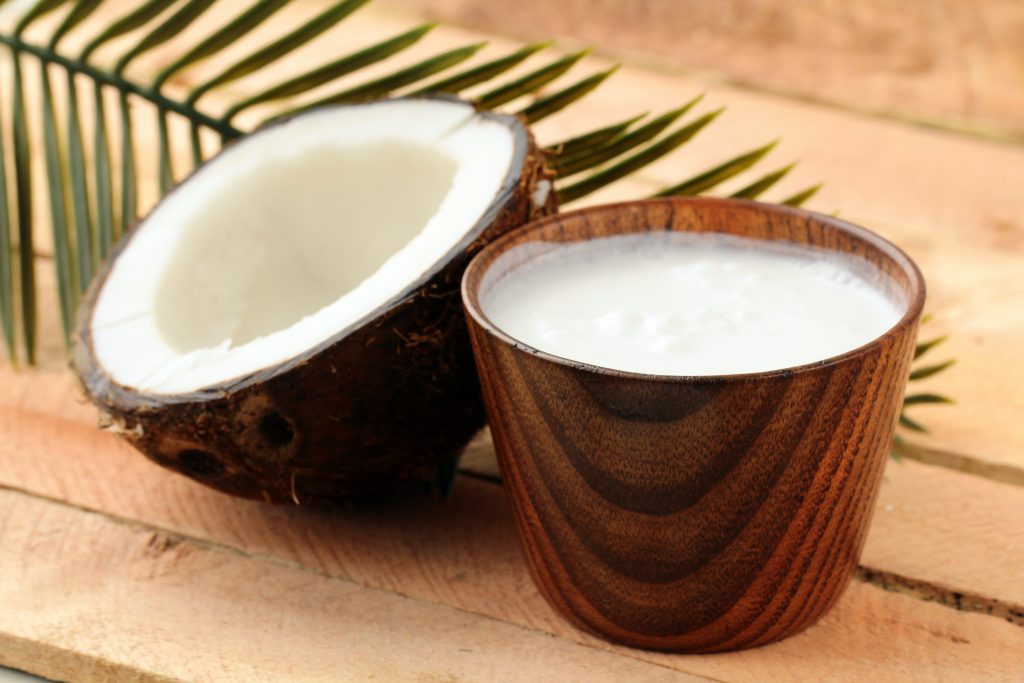
In a world increasingly seeking natural allies in the perpetual battle for health, ancient wisdom often resurfaces, validated by modern scientific inquiry. Among the many botanical treasures that have nourished and healed humanity for millennia, the humble coconut palm stands as a verdant sentinel of wellness. From its fibrous husk to its refreshing water and creamy milk, every part of this "tree of life" has found purpose. Yet, it is the rich, velvety fresh coconut milk that holds a particularly intriguing secret: a potent arsenal of antiviral properties capable of fortifying our immune defenses.
This isn’t merely a tale of folk remedies; it’s a deep dive into the sophisticated biochemistry of a tropical staple, revealing how a delicious, wholesome beverage can be a powerful elixir in our pursuit of robust immunity. Join us on a journey from the sun-drenched groves to the cellular battlefield, uncovering the remarkable story of how fresh coconut milk can help you sip your way to a healthier, more resilient self.
The Sacred Nectar: A Historical and Cultural Overture
For countless generations, communities across Southeast Asia, the Pacific Islands, and parts of Africa have revered the coconut palm (Cocos nucifera) as a symbol of life and sustenance. Its milk, extracted from the grated white flesh of mature coconuts, is more than just a culinary ingredient; it is a foundational element of diet, medicine, and cultural identity. Traditional healers have long prescribed coconut milk for a myriad of ailments, from digestive issues and skin conditions to fevers and infections, intuitively recognizing its restorative powers long before microscopes revealed the invisible world of microbes.
In Ayurvedic medicine, coconut milk is valued for its cooling, nourishing, and strengthening properties, believed to balance the doshas and support overall vitality. Similarly, in traditional Filipino medicine, it’s considered a potent remedy for various infectious diseases. This widespread, ancestral endorsement serves as a compelling prelude to the scientific story we are about to unfold, hinting at a truth deeply embedded in the natural world.
Beyond the Creaminess: The Nutritional Powerhouse of Fresh Coconut Milk
Before we delve into its antiviral specificities, it’s crucial to appreciate fresh coconut milk for what it is: a complex matrix of nutrients that inherently supports overall health, which is the bedrock of a strong immune system. Unlike its often-diluted, canned counterparts that may contain additives, stabilizers, and BPA from linings, fresh coconut milk—ideally homemade from newly grated coconut flesh—offers the purest form of its benefits.
It’s a rich source of:
- Healthy Fats: Predominantly medium-chain triglycerides (MCTs), which are metabolized differently than long-chain fats, providing quick energy and demonstrating unique metabolic benefits.
- Vitamins: Including Vitamin C, several B vitamins (B1, B3, B5, B6), and Vitamin E, all crucial for various bodily functions, including immune responses.
- Minerals: A treasure trove of essential minerals such as manganese, copper, selenium, magnesium, iron, potassium, and phosphorus. Each plays a vital role in cellular health and immune function.
- Electrolytes: Maintaining fluid balance and nerve function.
- Antioxidants: A range of phenolic compounds that combat oxidative stress.
While the entire nutritional profile contributes to general well-being, it is a specific component within the healthy fats—the medium-chain fatty acid known as lauric acid—that takes center stage in our exploration of antiviral properties.
The Unsung Hero: Lauric Acid and Its Potent Offspring, Monolaurin
At the heart of fresh coconut milk’s antiviral prowess lies lauric acid (C12:0), a medium-chain saturated fatty acid comprising a significant portion, often over 50%, of its fat content. While lauric acid itself exhibits some antimicrobial properties, its true power is unleashed once it enters the human body.
Upon ingestion, lauric acid is enzymatically converted into a monoglyceride called monolaurin. This is where the magic happens. Monolaurin is the primary bioactive compound responsible for coconut milk’s formidable antiviral, antibacterial, and antifungal actions.
The Mechanism of Action: How Monolaurin Disarms Viruses
The scientific understanding of monolaurin’s antiviral mechanism is both elegant and highly effective, particularly against enveloped viruses. Enveloped viruses are those encased in a lipid (fat) membrane, a protective outer layer that helps them infect host cells and evade the immune system. Examples include:
- Influenza viruses (flu)
- Herpes Simplex Virus (HSV-1, HSV-2)
- Human Immunodeficiency Virus (HIV)
- Measles virus
- Cytomegalovirus (CMV)
- Respiratory Syncytial Virus (RSV)
- Epstein-Barr Virus (EBV)


Post Comment