Glowing Skin from Within: The Beauty Benefits of Mineralized Hydration
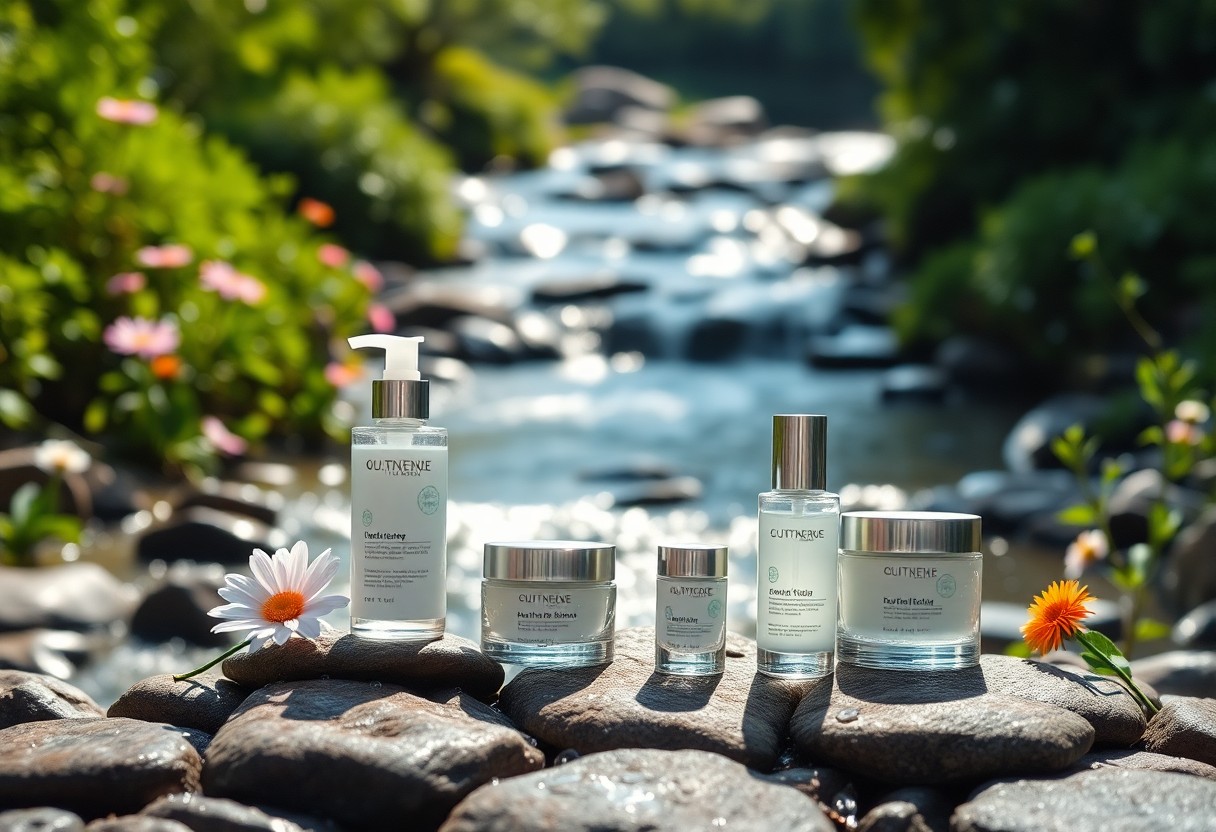
The quest for radiant, luminous skin is as ancient as humanity itself, a timeless pursuit that transcends cultures and generations. From the elaborate skincare rituals of Cleopatra to the meticulously crafted serums of modern dermatological science, we’ve collectively sought the elixir of eternal glow. Yet, for all the advancements in topical treatments and external applications, a profound truth often remains obscured: the most authentic, enduring radiance emanates not from what we apply, but from what we cultivate within.
This is the story of mineralized hydration, a journey into the intricate world where water, life’s most fundamental element, meets the subtle power of minerals. It’s a narrative that marries ancient wisdom with cutting-edge science, revealing how the very essence of cellular vitality, and consequently, skin health, is sculpted by the quality and composition of the water we consume. For the knowledgeable seeker of true beauty, this isn’t just about drinking more water; it’s about understanding the symphony of elements that conduct the orchestra of inner glow.
The Illusion of the Surface: Why Topical Alone Isn’t Enough
Before we delve into the depths of mineralized hydration, it’s crucial to acknowledge the limitations of a purely superficial approach to skincare. Our skin, the body’s largest organ, is a marvel of biological engineering, a dynamic barrier constantly interacting with its environment while simultaneously reflecting our internal state. While advanced serums, potent antioxidants, and sophisticated moisturizers certainly play a vital role in protecting and enhancing the skin’s outer layers, they are ultimately addressing symptoms, not root causes, if the internal machinery is compromised.
Consider a wilting plant. You can mist its leaves with water, and it might perk up momentarily, but its true revitalization comes from healthy roots drawing nutrient-rich water from the soil. Our skin cells are no different. They are living, breathing entities requiring a constant supply of water, electrolytes, and nutrients to perform their myriad functions: cell renewal, collagen production, barrier repair, and detoxification. When these internal processes are sluggish or imbalanced, no amount of topical wizardry can fully compensate for the underlying cellular thirst or mineral deficiency.
The skin’s primary function as a protective barrier (stratum corneum) relies heavily on adequate hydration. When the epidermal cells are plump and robust, the skin feels smooth, looks even, and its natural light-reflecting properties are optimized, giving that coveted "glow." Conversely, dehydration – both external and internal – leads to compromised barrier function, increased transepidermal water loss (TEWL), rough texture, dullness, fine lines, and heightened sensitivity. Topical humectants can draw moisture from the air or deeper layers of the skin, but they cannot replace the foundational cellular hydration that originates from within.
This recognition sets the stage for a deeper understanding of beauty. It shifts our focus from merely covering imperfections to nourishing the very fabric of our being, allowing health and radiance to spontaneously bloom.
The Unsung Heroes: Minerals and Their Intricate Dance with Water
Water, in its purest form, is H2O. But the water that truly sustains life, particularly at a cellular level, is rarely just H2O. It’s a dynamic solution, a carrier of vital electrolytes and trace minerals that act as cofactors, catalysts, and structural components for virtually every biochemical process in the body. These minerals are the unsung heroes of cellular function, orchestrating a complex dance that directly impacts the health and appearance of our skin.
For the knowledgeable audience, the distinction between "pure" water (like distilled or reverse osmosis) and "mineralized" water is critical. While purified water removes contaminants, it also strips away beneficial minerals, potentially leading to a net loss of these electrolytes from the body as it attempts to rebalance osmotic pressure. Mineralized water, particularly naturally occurring spring water, offers a rich and bioavailable spectrum of elements precisely balanced by nature.
Let’s explore some of these key players and their specific roles in cultivating that coveted inner glow:
1. Magnesium: The Cellular Soother and Energizer
Often called the "relaxation mineral," magnesium is a cofactor in over 300 enzymatic reactions in the body. For skin health, its contributions are profound:
- Cellular Energy Production: It’s vital for ATP synthesis, the energy currency of our cells. Healthy, energized skin cells can repair, renew, and produce collagen more efficiently.
- DNA Repair: Magnesium plays a role in maintaining DNA integrity, crucial for healthy cell division and preventing premature aging.
- Anti-Inflammatory Properties: It helps regulate inflammatory responses, which can manifest as redness, irritation, and conditions like acne or rosacea on the skin. Chronic low-grade inflammation is a major driver of skin aging.
- Stress Reduction: Magnesium helps calm the nervous system, reducing cortisol levels. Elevated cortisol is known to impair skin barrier function, increase oil production, and exacerbate inflammatory skin conditions. A calm internal state translates to a calmer, clearer complexion.
2. Calcium: The Barrier Builder and Regenerator
Calcium is not just for bones; it’s fundamental for healthy skin.
- Epidermal Differentiation: Calcium gradients within the epidermis are crucial for the proper maturation of keratinocytes, the primary cells of the outer skin layer. This ensures a robust and functional skin barrier.
- Cell Renewal: It regulates the natural shedding process of dead skin cells (desquamation). Optimal calcium levels support a healthy turnover rate, preventing dullness and promoting a smoother texture.
- Barrier Function: By supporting proper cell differentiation, calcium helps create the tight junctions between skin cells, fortifying the skin’s protective shield against environmental aggressors and preventing excessive moisture loss.
3. Potassium & Sodium: The Fluid Balancers and Nutrient Transporters
These two electrolytes work in concert to maintain fluid balance both inside and outside our cells, a process critical for cellular turgor and nutrient delivery.




Post Comment