The Blood Pressure Connection: Can Potassium-Rich Coconut Water Save Your Heart?
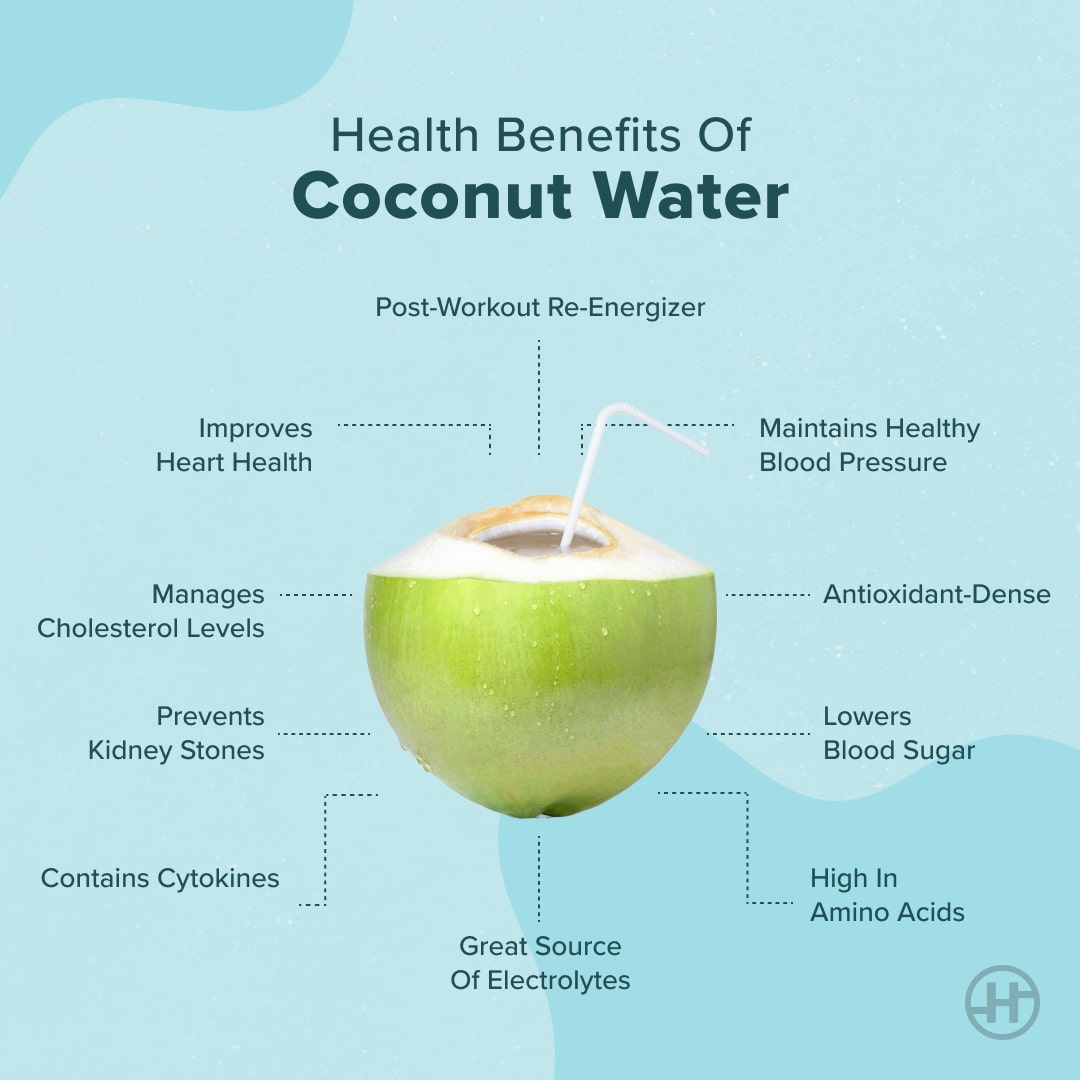
The modern world, for all its marvels, has cultivated a silent epidemic: hypertension. High blood pressure, often lurking without symptoms, is a relentless architect of cardiovascular disease, stroke, and kidney failure. It’s a global health crisis, driving millions to seek solutions, both pharmaceutical and natural. In this quest, a tropical elixir, once cherished by ancient cultures and now a staple in health food aisles, has emerged as a compelling candidate: coconut water.
But can this clear, subtly sweet liquid, celebrated for its hydrating properties and electrolyte profile, truly stand as a sentinel for our hearts? Can its potassium-rich embrace be the natural antidote to the creeping menace of high blood pressure? This isn’t just a simple question of nutrition; it’s a deep dive into the intricate dance of minerals within our bodies, the nuanced science of cardiovascular health, and the eternal human yearning for natural remedies. This is the story of the blood pressure connection, and the potential, promises, and pitfalls of coconut water in saving our hearts.
Chapter 1: The Silent Assassin – Understanding Hypertension
Imagine a river, flowing peacefully within its banks. Now imagine that river’s current becoming increasingly forceful, its banks narrowing, and the pressure within its channels escalating relentlessly. This analogy, though simplistic, captures the essence of hypertension. It’s a condition where the force of blood against the walls of your arteries is consistently too high. Over time, this elevated pressure damages the delicate lining of your arteries, making them stiffer, less elastic, and more prone to plaque buildup – the insidious process known as atherosclerosis.
The statistics are sobering. Globally, an estimated 1.13 billion people have hypertension, and a significant portion of them are unaware of their condition. It’s often dubbed the "silent killer" precisely because it rarely presents with obvious symptoms until it has wrought significant damage. By then, the consequences can be catastrophic: heart attacks, strokes, heart failure, kidney disease, and even vision loss.
The causes of hypertension are multifactorial, a complex interplay of genetics, lifestyle, and environmental factors. Unhealthy diets (high in sodium, low in potassium, processed foods), lack of physical activity, excessive alcohol consumption, smoking, chronic stress, obesity, and certain medical conditions like diabetes and kidney disease all contribute to its prevalence. For many, managing blood pressure becomes a lifelong journey, often involving medication, rigorous lifestyle changes, and a continuous search for supportive dietary interventions. It is into this landscape of urgent need that natural remedies, like coconut water, step onto the stage, offering a glimmer of hope and a promise of proactive health.
Chapter 2: The Unsung Hero – Potassium’s Pivotal Role in Cardiovascular Health
Before we delve into the specific merits of coconut water, it’s crucial to understand the principal player in its potential blood pressure-lowering act: potassium. Often overshadowed by its more notorious counterpart, sodium, potassium is an unsung hero of human physiology, an essential mineral and electrolyte critical for maintaining fluid balance, nerve signals, and muscle contractions, including the rhythmic beat of your heart.
The intricate relationship between sodium and potassium is at the heart of blood pressure regulation. In a healthy cell, the sodium-potassium pump, a vital protein complex embedded in the cell membrane, actively transports three sodium ions out of the cell for every two potassium ions it pumps in. This delicate balance maintains the cell’s membrane potential, crucial for nerve impulse transmission and muscle contraction.
When it comes to blood pressure, potassium acts as a physiological antagonist to sodium. While excessive sodium intake can lead to fluid retention and increased blood volume, thereby elevating blood pressure, potassium helps to counteract these effects in several key ways:
- Sodium Excretion: Potassium encourages the kidneys to excrete more sodium through urine. This diuretic effect reduces the overall fluid volume in the body, which in turn lowers blood pressure.
- Vasodilation: Potassium contributes to the relaxation of blood vessel walls (vasodilation). Relaxed blood vessels offer less resistance to blood flow, leading to a decrease in blood pressure. Conversely, low potassium levels can contribute to vasoconstriction, making blood vessels narrower and stiffer.
- Counteracting Renin-Angiotensin-Aldosterone System (RAAS): Potassium plays a role in modulating the RAAS, a hormonal system that critically regulates blood pressure and fluid balance. Adequate potassium intake can help temper the effects of this system, which when overactive, can lead to hypertension.
- Endothelial Function: Emerging research suggests potassium may also support the health and function of the endothelium, the inner lining of blood vessels. A healthy endothelium is vital for maintaining arterial elasticity and regulating blood flow.
The average Western diet is notoriously high in sodium and woefully deficient in potassium. Processed foods, fast food, and convenience meals are laden with sodium, while fruits, vegetables, and legumes – the primary sources of potassium – are often under-consumed. The recommended daily intake for potassium for adults is around 4,700 mg, a target many people struggle to meet. This dietary imbalance creates a physiological environment ripe for hypertension, making the search for potassium-rich foods a critical component of preventative and management strategies.
Chapter 3: Nature’s Electrolyte Elixir – Decoding Coconut Water
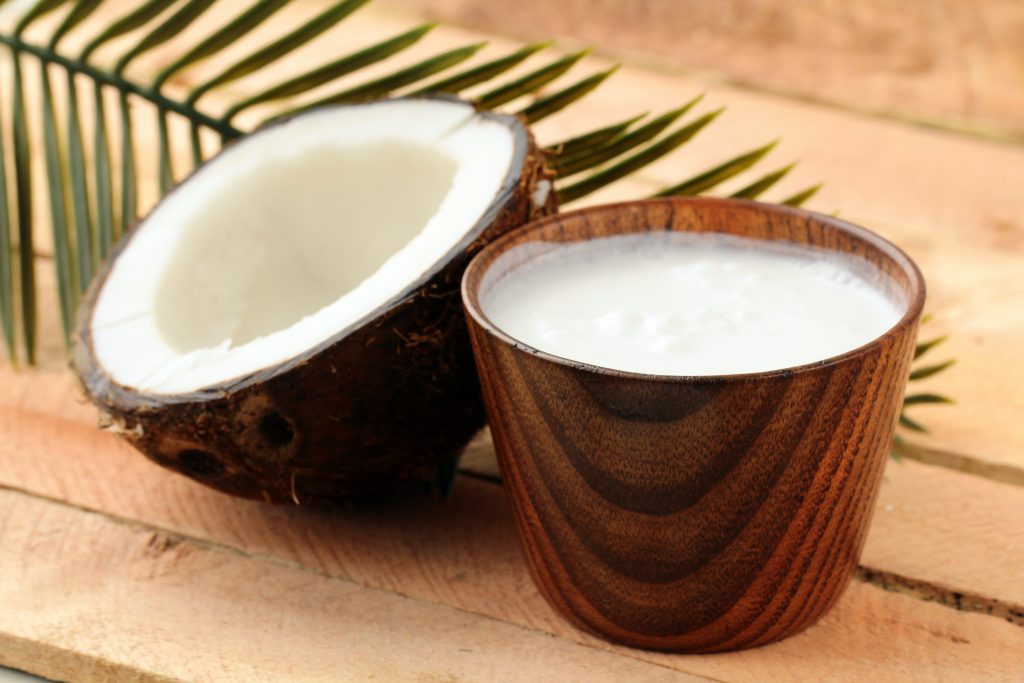
Enter coconut water, a clear, slightly opaque liquid found within young, green coconuts. For centuries, it has been a staple beverage in tropical regions, revered not only for its refreshing taste but also for its perceived medicinal properties. In some cultures, it’s even been used as an intravenous rehydration fluid in emergencies due to its sterile nature and electrolyte profile.
What makes coconut water so unique and potentially beneficial, particularly in the context of blood pressure? Its composition is a natural marvel:
- Electrolytes: It’s a powerhouse of essential electrolytes, most notably potassium, but also magnesium, calcium, and a small amount of sodium.
- Amino Acids: It contains various amino acids, which are the building blocks of protein.
- Vitamins: It provides small amounts of B-complex vitamins and vitamin C.
- Cytokinins: These plant hormones are believed to have anti-aging and anti-cancer effects, though their role in cardiovascular health is less clear.
- Natural Sugars: It contains naturally occurring sugars (fructose, glucose, sucrose), giving it its characteristic sweetness.
The star of the show for our narrative is undoubtedly potassium. A single cup (approximately 240 ml) of unsweetened coconut water can contain anywhere from 400 mg to over 600 mg of potassium. To put this into perspective, a medium banana, often touted as a potassium champion, contains around 422 mg. This makes coconut water a highly concentrated, convenient, and palatable source of this vital mineral, placing it squarely on the list of foods that can contribute significantly to daily potassium intake.
Beyond potassium, the presence of magnesium also offers a synergistic benefit. Magnesium is another essential mineral known to play a role in blood pressure regulation by relaxing smooth muscle in blood vessels and influencing nitric oxide production, a compound that helps blood vessels dilate. While the magnesium content in coconut water is not as high as its potassium, its contribution is still noteworthy.


Post Comment