The Ancient Modern Cure: Why Greeks and Romans Used Marjoram for Longevity
The Mediterranean sun beat down, warming the terracotta tiles of an Athenian courtyard. In the gentle breeze, the scent of crushed oregano, thyme, and a sweeter, more delicate aroma wafted from terracotta pots. This was the scent of origanum majorana, or marjoram, a herb deeply woven into the fabric of daily life, medicine, and mythology for the ancient Greeks and Romans. It was more than just a culinary delight; it was a silent guardian, a symbol of happiness, and a cornerstone in their holistic pursuit of longevity – a concept far richer and more nuanced than simply living a long time.
To understand why these sophisticated civilizations revered marjoram for extending a vibrant life, we must embark on a journey through their philosophies, their medical practices, their daily rituals, and their deep connection to the natural world. This is a story of empirical wisdom, mythic belief, and an enduring legacy that continues to echo in modern scientific inquiry.
The Whispers of Olympus: Marjoram in Greek Mythology and Culture
For the Greeks, the world was alive with gods and goddesses, and every plant held a story, a divine spark. Marjoram, in particular, was intimately linked with Aphrodite, the goddess of love, beauty, and pleasure. Legend held that Aphrodite herself cultivated marjoram, imbuing it with its sweet, comforting fragrance and its capacity to bring joy and contentment. This association wasn’t merely poetic; it established marjoram as a herb of happiness, peace, and well-being – all crucial components of a life well-lived, and by extension, a long life. After all, what is longevity without joy?
The Greeks believed that the quality of life was as important as its duration. A life filled with eudaimonia – a state of flourishing, living well, and doing well – was the ultimate goal. Marjoram, with its gentle, uplifting properties, was thought to contribute to this state. It was a common sight in ancient Greek gardens, not just for its beauty or utility, but as a symbolic representation of these ideals.
Beyond the divine, marjoram found its way into significant life events. Wreaths of marjoram were often placed on the heads of newlyweds, symbolizing happiness, good fortune, and a long, blissful union. Its presence at weddings was a blessing for enduring love and prosperity, elements believed to contribute to a stable and less stressful existence, thereby supporting longevity. Conversely, marjoram was also used in funeral rites, perhaps as a gentle comfort for the bereaved, or as a poignant reminder of the cycle of life and the fleeting nature of existence, encouraging the living to savor their days.
In their daily lives, the Greeks integrated marjoram into their culinary practices, not just for flavor, but for its perceived health benefits. They understood, intuitively, that what they consumed had a profound impact on their health. Marjoram was a staple in many dishes, particularly those involving meats, fish, and vegetables, believed to aid digestion and enhance the nutritional uptake of food – vital for maintaining robust health over time.
This cultural backdrop, rich with symbolic meaning and practical application, laid the foundation for marjoram’s esteemed position in ancient Greek medicine. It was a herb that promised not just to heal the body, but to soothe the spirit and enhance the overall fabric of life, making it a true ingredient for longevity.
The Physician’s Prescription: Marjoram in Ancient Materia Medica
The sophisticated medical systems of ancient Greece and Rome were not based on our modern understanding of microbiology or pharmacology, but on empirical observation, philosophical reasoning, and a deep respect for the healing power of nature. Figures like Hippocrates, the "Father of Medicine," and later, Dioscorides, the Greek physician in Nero’s army whose De Materia Medica became the foundational text of Western pharmacology for over 1,500 years, meticulously documented the properties and uses of medicinal plants, including marjoram.
The Humoral Theory and Marjoram’s Role:
Central to ancient Greek and Roman medicine was the Humoral Theory, which posited that the body was composed of four cardinal fluids or "humors": blood, phlegm, yellow bile, and black bile. Health was a state of balance among these humors, while illness resulted from an imbalance. Each humor was associated with specific qualities (hot, cold, wet, dry).
Marjoram, with its warming and drying properties, was considered a valuable tool for restoring humoral balance. It was particularly useful for conditions associated with an excess of cold or dampness, such as respiratory ailments, digestive sluggishness, and certain types of pain. By bringing the body back into balance, marjoram was believed to prevent disease and support the body’s natural healing mechanisms, directly contributing to long-term health.
Specific Applications for Longevity:
-
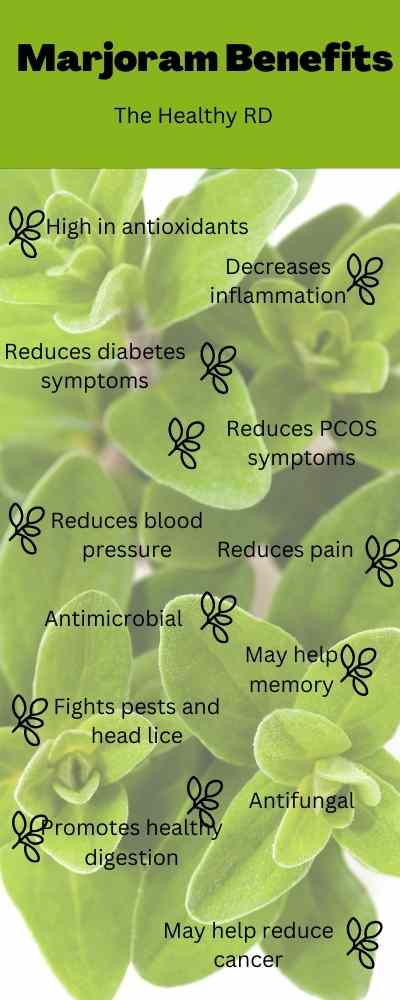
Digestive Aid: Both Greeks and Romans keenly understood the importance of a healthy digestive system for overall well-being. Marjoram was frequently prescribed for stomach cramps, indigestion, and flatulence. Its carminative properties (aiding in the expulsion of gas) and its ability to stimulate bile flow were highly valued. A well-functioning digestive system meant better nutrient absorption, less internal discomfort, and reduced inflammation – all factors crucial for maintaining vitality and preventing chronic diseases that shorten life. Dioscorides noted its effectiveness against "spasms of the stomach."
-
Respiratory Health: The warming and expectorant qualities of marjoram made it a popular remedy for coughs, colds, and congested lungs. Infusions of marjoram were consumed to clear airways and alleviate symptoms of respiratory infections. Given the prevalence of such ailments in ancient times, a herb that could effectively manage these conditions would have been seen as a significant contributor to sustained health and, therefore, longevity.
-
Nervous System Support: Marjoram was also recognized for its calming effects on the nervous system. It was used to alleviate headaches, migraines, and nervous tension. For an audience of knowledgeable individuals, it’s worth noting that the ancients, while not understanding neurotransmitters, observed the empirical effects of herbs on mood and stress. A reduction in stress and anxiety would have been understood as crucial for mental well-being, better sleep, and ultimately, a more robust immune system – all vital components of a long and healthy life. Pliny the Elder, the Roman naturalist, mentioned its use in garlands to alleviate headaches.
-
Anti-Inflammatory and Analgesic: Marjoram poultices and compresses were applied topically to soothe muscle aches, joint pain, and swellings. Its anti-inflammatory properties, observed empirically, would have provided relief from chronic discomfort, allowing individuals to maintain physical activity and mobility well into old age – a key aspect of their concept of longevity.
-
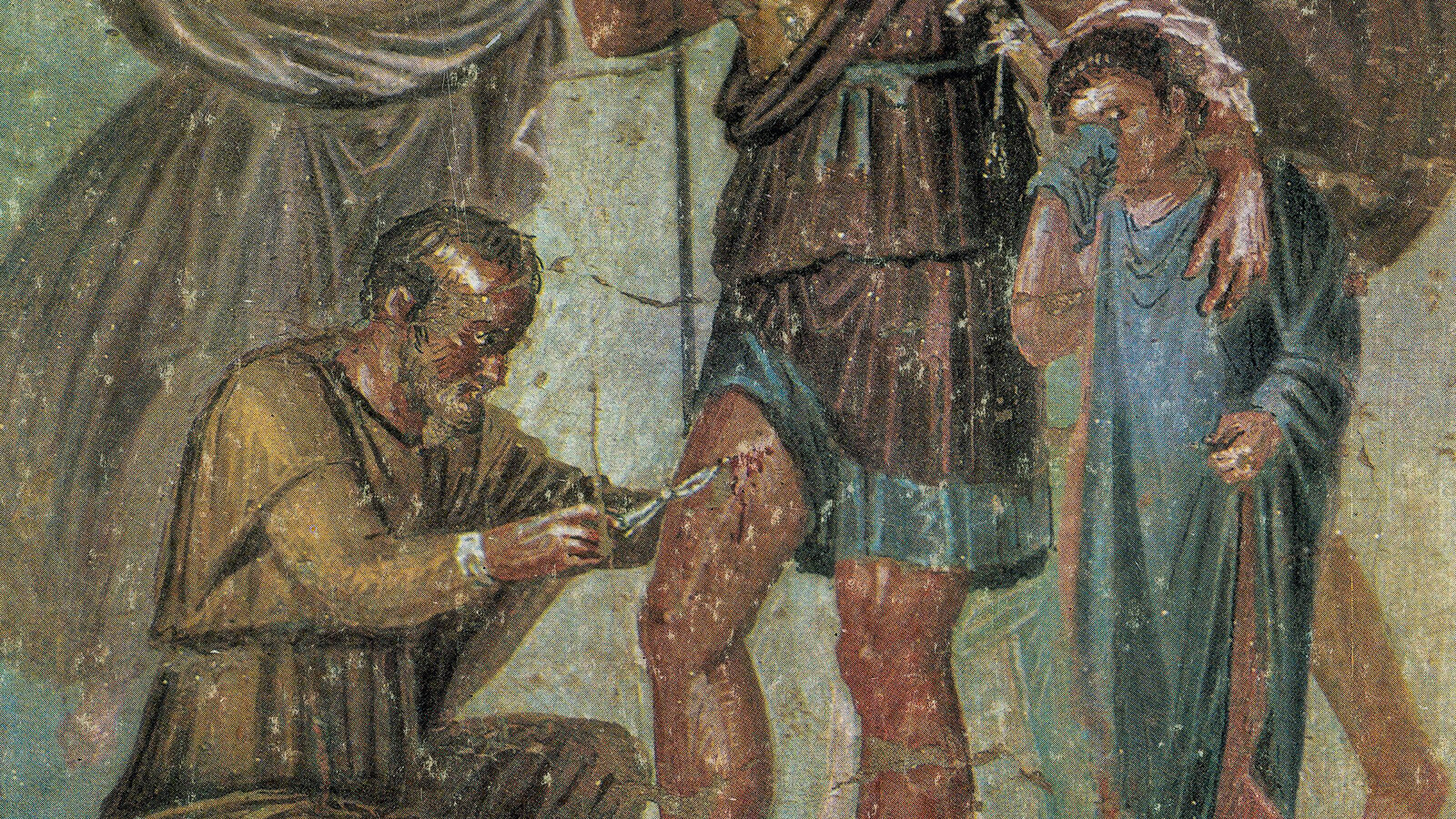
Antiseptic and Wound Healing: The ancients also utilized marjoram for its antiseptic qualities. It was applied to wounds and skin irritations to prevent infection and promote healing. In an era without antibiotics, effective wound care was paramount to preventing life-threatening complications, directly impacting survival and longevity.


Post Comment