More Than Just a Smell: A Deep Dive into Durian’s Micronutrients
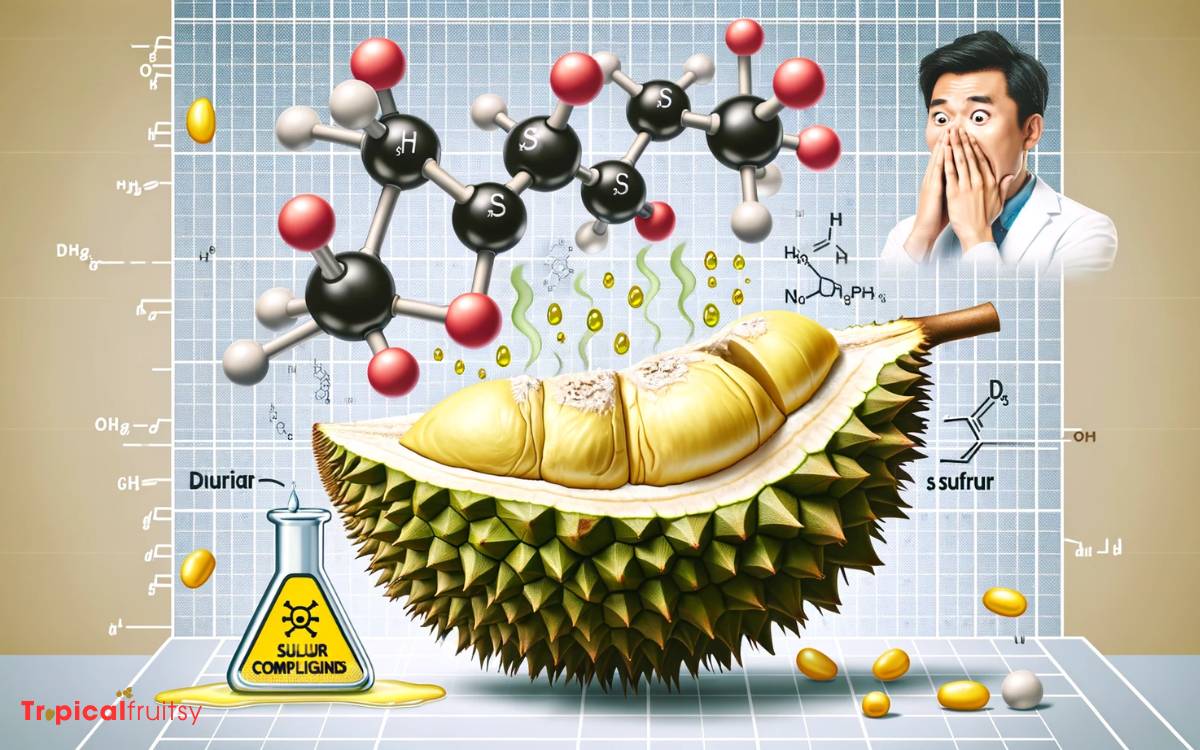
The mere mention of durian often evokes a polarizing response. For some, it’s an irresistible, creamy delight, the very embodiment of exotic indulgence. For others, it’s an olfactory assault, a pungent challenge to the senses. Yet, beneath this olfactory spectacle, hidden within its thorny rind and custardy flesh, lies a nutritional powerhouse often overshadowed by its formidable aroma. The durian, scientifically known as Durio zibethinus, is far more than just a sensory experience; it is a complex tapestry of micronutrients, a veritable treasure trove of vitamins, minerals, and unique bioactive compounds that merit a deep, appreciative dive.
This article aims to peel back the layers, moving beyond the surface-level perception, to explore the profound micronutrient profile of the durian. For the knowledgeable connoisseur and the curious nutritionist alike, we will unravel the story of how this "King of Fruits" orchestrates a symphony of health benefits, often overlooked in the clamor over its distinctive scent.
The Nutritional Tapestry: An Overview
At first glance, durian is often noted for its caloric density, a characteristic that hints at its rich carbohydrate and fat content. However, to focus solely on its macronutrients would be to miss the forest for the trees. It is within its micronutrient landscape that durian truly shines, offering a diverse array of essential compounds vital for myriad bodily functions. Unlike many fruits, durian doesn’t just provide a handful of key nutrients; it presents a comprehensive spectrum, each playing a crucial role in maintaining health and preventing disease.
This dense nutritional profile is a testament to the fruit’s evolutionary journey in the rich, biodiverse ecosystems of Southeast Asia. Its unique composition suggests a potent adaptive strategy, endowing it with properties that extend far beyond simple sustenance.
Vitamins: The Orchestrators of Life
Vitamins are organic compounds that organisms require in small quantities for proper metabolic function. Durian is an exceptional source of several crucial vitamins, both water-soluble and fat-soluble, each contributing to its profound health benefits.
1. Vitamin C (Ascorbic Acid): The Immune Guardian and Antioxidant Powerhouse
Durian is a surprisingly good source of Vitamin C, a nutrient synonymous with immune support and antioxidant defense. A single serving can contribute significantly to the daily recommended intake. Vitamin C plays several critical roles:
- Immune System Support: It is essential for the production and function of white blood cells, which are the body’s primary defense against pathogens. It also enhances antibody production and phagocytic activity.
- Potent Antioxidant: As a powerful antioxidant, Vitamin C neutralizes free radicals, unstable molecules that can damage cells and contribute to chronic diseases like heart disease, cancer, and neurodegenerative disorders.
- Collagen Synthesis: Vitamin C is a vital cofactor in the synthesis of collagen, the main structural protein in connective tissues, skin, bones, and blood vessels. Adequate Vitamin C intake is crucial for wound healing, maintaining skin elasticity, and ensuring bone and joint health.
- Iron Absorption: It significantly enhances the absorption of non-heme iron (iron from plant sources), a crucial benefit, especially for individuals on plant-based diets.
The presence of robust levels of Vitamin C in durian means that while you’re enjoying its unique flavor, you’re also bolstering your body’s defenses and contributing to cellular repair and regeneration.
2. B-Complex Vitamins: The Energy Catalysts and Nerve Nourishers
Durian boasts an impressive array of B-complex vitamins, a group of eight water-soluble vitamins that play interconnected, vital roles in cellular metabolism. Their presence underscores durian’s contribution to energy production and nervous system health.
- Vitamin B1 (Thiamine): Critical for carbohydrate metabolism, converting glucose into energy. It’s also essential for nerve function and muscle contraction. Durian’s thiamine content helps explain its traditional reputation as an energy-boosting fruit.
- Vitamin B2 (Riboflavin): Involved in various enzymatic reactions, particularly in energy production and cellular growth. It’s crucial for maintaining healthy skin, eyes, and red blood cells.
- Vitamin B3 (Niacin): Plays a key role in energy metabolism, DNA repair, and antioxidant activity. It can also help lower cholesterol levels and improve cardiovascular health.
- Vitamin B6 (Pyridoxine): Essential for protein metabolism, red blood cell formation, and neurotransmitter synthesis. It plays a role in mood regulation and cognitive function.
- Vitamin B9 (Folate/Folic Acid): Crucial for DNA synthesis and repair, cell division, and red blood cell formation. It is particularly important during periods of rapid growth, such as pregnancy, to prevent neural tube defects.
- Vitamin B5 (Pantothenic Acid): Involved in the synthesis of coenzyme A, essential for fatty acid metabolism and energy production.
- Vitamin B7 (Biotin): Contributes to the metabolism of carbohydrates, fats, and proteins. It’s also known for its role in maintaining healthy hair, skin, and nails.
The rich B-vitamin profile of durian positions it as a significant contributor to overall metabolic health, supporting everything from cellular energy production to neurological well-being.


Post Comment