The King Unveiled: Decoding Durian’s 7 Science-Based Health Benefits Beyond the Thorn and Odor
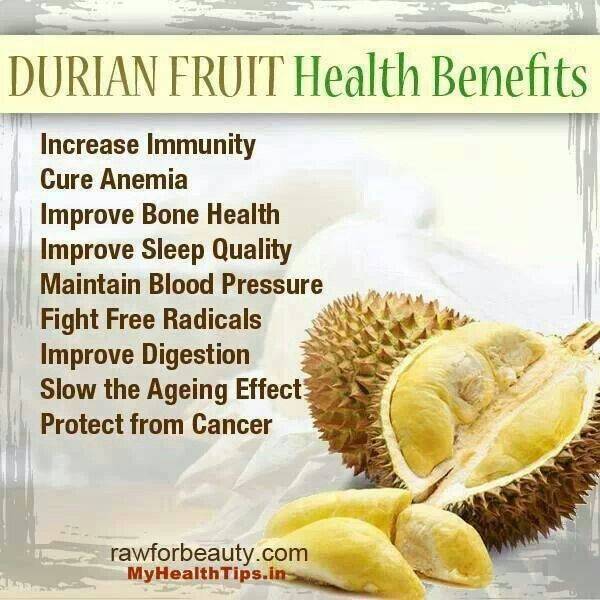
The durian. Its very name evokes a spectrum of reactions, from fervent devotion to profound revulsion. Encased in a formidable, spiky armor, and notorious for an aroma that has been famously described as everything from "turpentine and onions" to "gym socks and sewage," this tropical titan is perhaps the most polarizing fruit on Earth. Yet, in Southeast Asia, where it reigns supreme, the durian is not merely a fruit; it is a cultural icon, a seasonal obsession, and revered as the "King of Fruits." For centuries, its devotees have extolled its virtues, claiming it bestows vigor, warmth, and a myriad of health benefits. But in an era where wellness claims often outpace scientific evidence, can the durian truly stand tall as a nutritional powerhouse?
Beyond the sensationalism of its smell and the challenge of its exterior lies a creamy, custardy flesh that, for the initiated, is an unparalleled culinary experience. But more than that, modern scientific inquiry is increasingly peeling back the layers of anecdote and tradition to reveal a sophisticated biochemical profile. What emerges is a compelling narrative of a fruit rich in an astonishing array of vitamins, minerals, antioxidants, and unique phytonutrients that collectively contribute to profound health advantages. This article embarks on a journey to explore seven science-based health benefits of durian, moving past the pungent prejudices to uncover the true regal essence of this magnificent fruit, for an audience as knowledgeable and discerning as the durian connoisseur himself.
1. The Nutrient Powerhouse: A Symphony of Essential Vitamins and Minerals
To truly appreciate durian, one must first dismantle the misconception that it is merely a sugary indulgence. On the contrary, durian is a remarkably nutrient-dense fruit, packing a substantial punch of essential vitamins and minerals crucial for myriad bodily functions. It’s not just a treat; it’s a nutritional investment.
At its core, durian is an excellent source of Vitamin C, a well-known antioxidant and immune booster. A single serving can contribute significantly to the recommended daily intake, aiding in collagen synthesis for healthy skin, wound healing, and bolstering the body’s defenses against oxidative stress. Beyond Vitamin C, durian distinguishes itself with its impressive B-complex vitamin profile. It contains significant amounts of thiamine (B1), riboflavin (B2), niacin (B3), pantothenic acid (B5), pyridoxine (B6), and folate (B9). These B vitamins are indispensable cofactors in cellular metabolism, playing critical roles in energy production, nerve function, DNA synthesis, and red blood cell formation. Thiamine, for instance, is vital for carbohydrate metabolism, ensuring the body efficiently converts food into usable energy. Riboflavin and niacin are central to cellular respiration, while B6 is crucial for neurotransmitter synthesis and protein metabolism. Folate, particularly important during periods of rapid growth and for pregnant women, supports healthy cell division and prevents neural tube defects. The presence of such a broad spectrum of B vitamins means durian contributes to sustained energy levels and overall metabolic efficiency, rather than just a fleeting sugar rush.
Mineral content further solidifies durian’s status as a nutritional heavyweight. It is particularly rich in potassium, an electrolyte vital for maintaining fluid balance, nerve signals, and muscle contractions, including the rhythmic beating of the heart. Adequate potassium intake is often associated with better blood pressure regulation. Furthermore, durian provides manganese, a trace mineral involved in bone formation, carbohydrate and fat metabolism, and antioxidant defense systems. Copper, another crucial trace mineral found in durian, plays a role in iron absorption, red blood cell formation, and maintaining healthy connective tissues. Smaller but significant amounts of iron, magnesium, and phosphorus round out its mineral profile, each contributing to bone health, energy production, and nerve function.
Thus, durian is not just a fruit; it is a meticulously crafted natural supplement, a holistic package of micronutrients that synergistically support the intricate machinery of the human body. Its dense nutritional composition lays the groundwork for many of the deeper health benefits that follow.
2. The Potent Antioxidant Defender: Scavenging Free Radicals with Phytochemical Prowess
Our bodies are constantly engaged in a silent battle against oxidative stress, a process where unstable molecules called free radicals damage cells, DNA, and proteins. This damage is implicated in aging and the development of numerous chronic diseases, from cardiovascular conditions to certain cancers. Durian, the King of Fruits, emerges as a formidable ally in this fight, armed with an impressive arsenal of antioxidants.
The vibrant yellow hue of durian flesh is a visual cue to its richness in carotenoids, such as beta-carotene, lutein, and zeaxanthin. Beta-carotene is a precursor to Vitamin A, essential for vision, immune function, and skin health, while lutein and zeaxanthin are particularly renowned for their role in eye health, filtering harmful blue light and reducing the risk of age-related macular degeneration. But the antioxidant story of durian extends far beyond carotenoids.
Durian is brimming with a diverse array of polyphenols, including flavonoids, phenolic acids, and anthocyanins. Flavonoids like quercetin and kaempferol are powerful free-radical scavengers, capable of neutralizing reactive oxygen species (ROS) before they can inflict cellular damage. They also possess anti-inflammatory and anti-carcinogenic properties. Phenolic acids, such as gallic acid and ellagic acid, further contribute to durian’s antioxidant capacity, working through various mechanisms including metal chelation and enzyme modulation to protect against oxidative damage. While anthocyanins are typically associated with purple or red fruits, certain durian varieties may contain them in smaller quantities, adding to the fruit’s overall protective shield.
The synergistic action of these various antioxidant compounds means that durian offers a more comprehensive defense against oxidative stress than any single antioxidant could provide. Studies have shown that durian extracts exhibit significant antioxidant activity in vitro, effectively reducing lipid peroxidation and scavenging free radicals. This protective effect extends to cellular health, helping to preserve the integrity of cell membranes and DNA, thereby mitigating the risk factors associated with chronic degenerative diseases. By consistently incorporating durian into the diet, one equips the body with a robust defense system, slowing the tide of cellular wear and tear and promoting long-term vitality.
3. The Anti-Inflammatory Catalyst: Quelling the Flames of Chronic Disease
Inflammation, in its acute form, is a vital protective response by the immune system. However, when inflammation becomes chronic, it transforms into a silent, insidious force that underlies a vast spectrum of modern ailments, including heart disease, diabetes, autoimmune disorders, and neurodegenerative conditions. Durian’s biochemical complexity positions it as a significant natural anti-inflammatory agent, capable of helping to modulate these detrimental processes.
The anti-inflammatory properties of durian are largely attributed to its rich content of phytonutrients, particularly the aforementioned polyphenols like quercetin and other flavonoids. These compounds do not merely act as antioxidants; they also actively interfere with key inflammatory pathways within the body. Quercetin, for example, is well-documented for its ability to inhibit the production of pro-inflammatory cytokines, such as TNF-alpha, IL-1beta, and IL-6, which are critical mediators of the inflammatory response. By dampening the release of these signaling molecules, durian can help to prevent the escalation of inflammation at a cellular level.
Furthermore, certain compounds in durian may modulate the activity of enzymes involved in inflammation, such as cyclooxygenase-2 (COX-2) and lipoxygenase (LOX). While not as potent as pharmaceutical drugs designed for this purpose, the subtle yet consistent influence of dietary phytonutrients can contribute significantly to a cumulative anti-inflammatory effect over time. This is particularly relevant in the context of a modern diet often laden with pro-inflammatory processed foods.
The holistic approach of durian’s anti-inflammatory action means it doesn’t target a single pathway but rather orchestrates a broader modulation of the body’s inflammatory response. This makes it a valuable dietary component for those seeking to mitigate the risks associated with chronic inflammation. By regularly consuming durian, individuals can contribute to a more balanced internal environment, potentially reducing discomfort from inflammatory conditions and safeguarding against the long-term damage that unchecked inflammation can inflict on tissues and organs. The sweetness of durian, therefore, conceals a powerful bitterness to inflammation, making it a truly "sweet" remedy for a pervasive modern health challenge.
4. The Digestive Dynamo: Nurturing Gut Health with Abundant Fiber
The adage "health begins in the gut" has never been more relevant. A healthy digestive system is foundational to overall well-being, influencing everything from nutrient absorption to immune function and even mood. Durian, with its substantial fiber content, emerges as a true digestive dynamo, actively supporting gut health in multiple ways.
Durian is an excellent source of dietary fiber, containing both soluble and insoluble forms, which work synergistically to promote digestive regularity and foster a thriving gut microbiome. Insoluble fiber, the bulk-forming component, acts like a natural broom, adding mass to stool and facilitating its smooth passage through the digestive tract. This helps prevent constipation, a common ailment, and ensures efficient elimination of waste products and toxins from the body. Regular bowel movements are crucial for preventing the reabsorption of toxins and maintaining a healthy colon.
Beyond mere regularity, durian’s fiber, particularly its soluble fiber component, plays a critical role as a prebiotic. Prebiotics are non-digestible food ingredients that selectively stimulate the growth and activity of beneficial bacteria (probiotics) in the colon. When these friendly bacteria ferment soluble fiber, they produce short-chain fatty acids (SCFAs) like butyrate, acetate, and propionate. These SCFAs are not just waste products; they are vital energy sources for colon cells, help maintain the integrity of the gut lining, modulate immune responses, and may even have systemic anti-inflammatory effects. A robust and diverse gut microbiome is linked to improved nutrient absorption, enhanced immune function, and even a reduced risk of certain chronic diseases.
Furthermore, the soluble fiber in durian can also help to regulate blood sugar levels by slowing down the absorption of glucose into the bloodstream, and it can bind to cholesterol in the digestive tract, aiding in its excretion. By promoting a healthy and efficient digestive system, durian contributes to better nutrient assimilation, reduced digestive discomfort, and a strengthened internal defense system. For those seeking to cultivate a flourishing inner ecosystem, the King of Fruits offers a delicious and potent means to nurture the very foundation of their health.
5. The Cardiovascular Champion: Supporting Heart Health from Multiple Angles
Heart disease remains a leading cause of mortality worldwide, underscoring the critical importance of dietary interventions that support cardiovascular health. Durian, despite its caloric density, possesses a unique nutritional profile that positions it as a surprising champion for the heart, thanks to its specific mineral, fiber, and fat composition.
One of durian’s most significant contributions to heart health is its exceptionally high content of potassium. As a vital electrolyte, potassium plays a crucial role in regulating blood pressure. It acts as a counterweight to sodium, helping to relax blood vessel walls and excrete excess sodium from the body, thereby reducing strain on the cardiovascular system. A diet rich in potassium is consistently associated with a lower risk of hypertension and stroke. The presence of ample potassium in durian makes it a valuable dietary component for maintaining optimal blood pressure levels.
The substantial dietary fiber content of durian also extends its benefits to the cardiovascular system. Soluble fiber, in particular, has been shown to help lower levels of low-density lipoprotein (LDL) cholesterol, often referred to as "bad" cholesterol. It achieves this by binding with cholesterol in the digestive tract, preventing its reabsorption and promoting its excretion from the body. High LDL cholesterol is a primary risk factor for atherosclerosis, the hardening and narrowing of arteries, which can lead to heart attacks and strokes. By aiding in cholesterol management, durian’s fiber contributes directly to arterial health.
Moreover, durian contains monounsaturated fats, such as oleic acid, the same heart-healthy fat found in olive oil and avocados. While durian is calorie-dense, the fats it contains are predominantly beneficial. Monounsaturated fats are known to help reduce LDL cholesterol levels while simultaneously raising high-density lipoprotein (HDL) cholesterol, or "good" cholesterol, which plays a role in removing excess cholesterol from the arteries and transporting it back to the liver for excretion. This favorable impact on cholesterol profiles further strengthens durian’s role in cardiovascular protection.
In essence, durian supports heart health through a multifaceted approach: regulating blood pressure with potassium, managing cholesterol with fiber and healthy fats, and reducing oxidative stress and inflammation with its antioxidants and phytonutrients. For those who appreciate its unique taste, durian offers a delicious pathway to a healthier heart.


Post Comment