Potassium Powerhouse: Why Durian is a Heart-Healthy Superfood
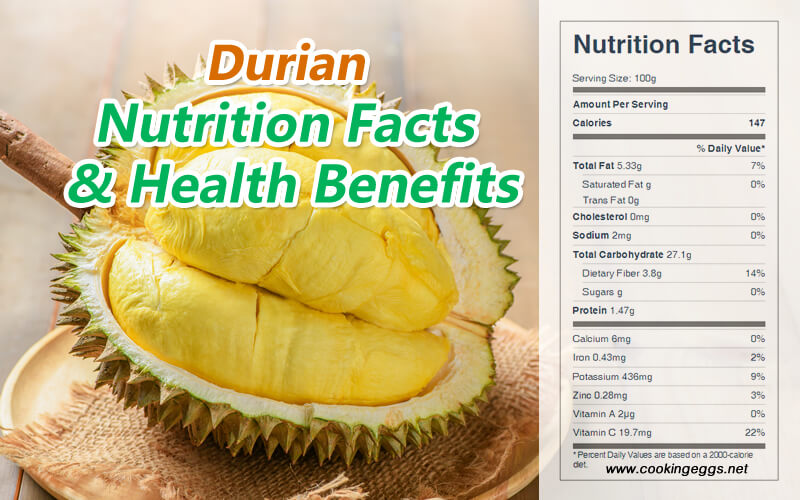
The durian. Its very name evokes a visceral reaction, a symphony of strong opinions that range from fervent adoration to utter repulsion. Revered as the "King of Fruits" in Southeast Asia, its formidable thorny exterior and famously pungent aroma have long overshadowed its profound nutritional merits in the Western world. Yet, beneath that formidable husk and beyond the olfactory challenge lies a treasure trove of health benefits, particularly for one of our most vital organs: the heart. This article embarks on a journey to unveil the durian as a true heart-healthy superfood, a potent "Potassium Powerhouse" whose unique biochemical profile offers a compelling argument for its inclusion in a balanced diet, especially for those seeking to nurture cardiovascular wellness.
The Unveiling: A Culinary Paradox and Nutritional Goldmine
For centuries, the durian (scientific name: Durio zibethinus) has been a staple in the diets and traditional medicine of Southeast Asian cultures. Its rich, creamy flesh, often described as a custard-like blend of sweet and savory, has graced royal tables and village feasts alike. But it is only in recent decades that modern nutritional science has begun to peel back the layers of myth and aroma to reveal its astonishing array of beneficial compounds. What emerges is not merely a fruit, but a complex biological matrix designed by nature to deliver a powerful punch of essential nutrients, with a particular emphasis on those critical for cardiovascular health.
Our exploration begins with the undisputed star of durian’s heart-healthy profile: potassium.
Potassium: The Silent Guardian of the Heart
Imagine the human body as a sophisticated electrical grid, where every beat of the heart, every nerve impulse, and every muscle contraction relies on a delicate balance of electrolytes. Among these, potassium stands out as a critical conductor, a silent guardian maintaining the rhythm and efficiency of this intricate system. It is a macronutrient, meaning the body requires it in relatively large amounts, and its role in heart health is profound and multifaceted.
Durian, in particular, is an exceptional source of this vital mineral. To put its "powerhouse" status into perspective, a single cup (approximately 243 grams) of durian pulp can contain over 1,000 milligrams of potassium. This dwarfs the potassium content of many commonly touted "high-potassium" foods. For instance, a medium banana, often celebrated for its potassium, typically provides around 422 milligrams. An avocado, another potassium darling, offers about 728 milligrams per cup. Durian, therefore, emerges as a clear leader, delivering a significant portion of the recommended daily intake (RDI) for adults, which typically hovers around 3,400 milligrams.
The Mechanisms of Potassium’s Heart-Protective Action:
How does this abundant potassium translate into a healthier heart? The science is compelling:
-
Blood Pressure Regulation (The Sodium Counterbalance): Perhaps potassium’s most well-known contribution to cardiovascular health is its pivotal role in blood pressure regulation. In the modern Western diet, sodium intake is often excessively high, leading to increased fluid retention and vasoconstriction, both of which contribute to hypertension (high blood pressure). Potassium acts as a natural antagonist to sodium. It promotes the excretion of sodium through urine, effectively reducing the body’s sodium load. Furthermore, potassium helps to relax the walls of blood vessels (vasodilation), allowing blood to flow more freely and reducing the pressure against arterial walls. This intricate dance between sodium and potassium is crucial; a higher potassium-to-sodium ratio in the diet is consistently associated with lower blood pressure levels and a reduced risk of cardiovascular disease. The DASH (Dietary Approaches to Stop Hypertension) diet, widely recommended by health professionals for blood pressure management, heavily emphasizes foods rich in potassium, magnesium, and calcium – all of which durian provides.
-
Maintaining Fluid Balance and Electrolyte Harmony: Potassium is a primary intracellular cation, meaning it’s the main positively charged ion inside cells. This is crucial for maintaining osmotic balance – the proper distribution of water between cells and their surrounding environment. Alongside sodium, which is primarily an extracellular cation, potassium creates an electrical gradient across cell membranes, facilitated by the sodium-potassium pump. This pump is fundamental to nerve impulse transmission, muscle contraction (including the heart muscle), and nutrient transport. A disruption in this delicate balance can lead to arrhythmias (irregular heartbeats) and other cardiac complications. Durian’s high potassium content helps ensure this vital cellular machinery operates optimally.
-
Reducing Stroke Risk: Beyond its direct impact on blood pressure, adequate potassium intake has been independently linked to a reduced risk of stroke. Studies have shown that individuals with higher dietary potassium intake tend to have a lower incidence of both ischemic and hemorrhagic strokes. This protective effect is likely a combination of its blood pressure-lowering capabilities and its role in maintaining healthy blood vessel function.
-
Supporting Heart Muscle Function: The heart is a muscle, and like all muscles, it relies on precise electrical signals to contract and relax rhythmically. Potassium plays a direct role in these electrical impulses, contributing to the repolarization phase of the action potential in cardiac muscle cells. This process is essential for the heart’s ability to reset and prepare for the next beat. Imbalances in potassium levels (hypokalemia or hyperkalemia) can lead to severe and life-threatening cardiac arrhythmias. Durian’s substantial potassium offering thus directly supports the fundamental mechanics of a healthy heartbeat.
Beyond Potassium: A Symphony of Nutrients for Cardiovascular Wellness
While potassium rightfully earns its spotlight, durian is far from a one-trick pony. Its rich nutritional tapestry includes a host of other vitamins, minerals, and phytonutrients that work synergistically to bolster heart health. It’s this comprehensive profile that truly elevates durian to superfood status.
-
Dietary Fiber: The Gut-Heart Connection:
Durian is an excellent source of dietary fiber, offering both soluble and insoluble varieties.


Post Comment