The Neurobiology of Belonging: How Friends Change Your Brain Chemistry
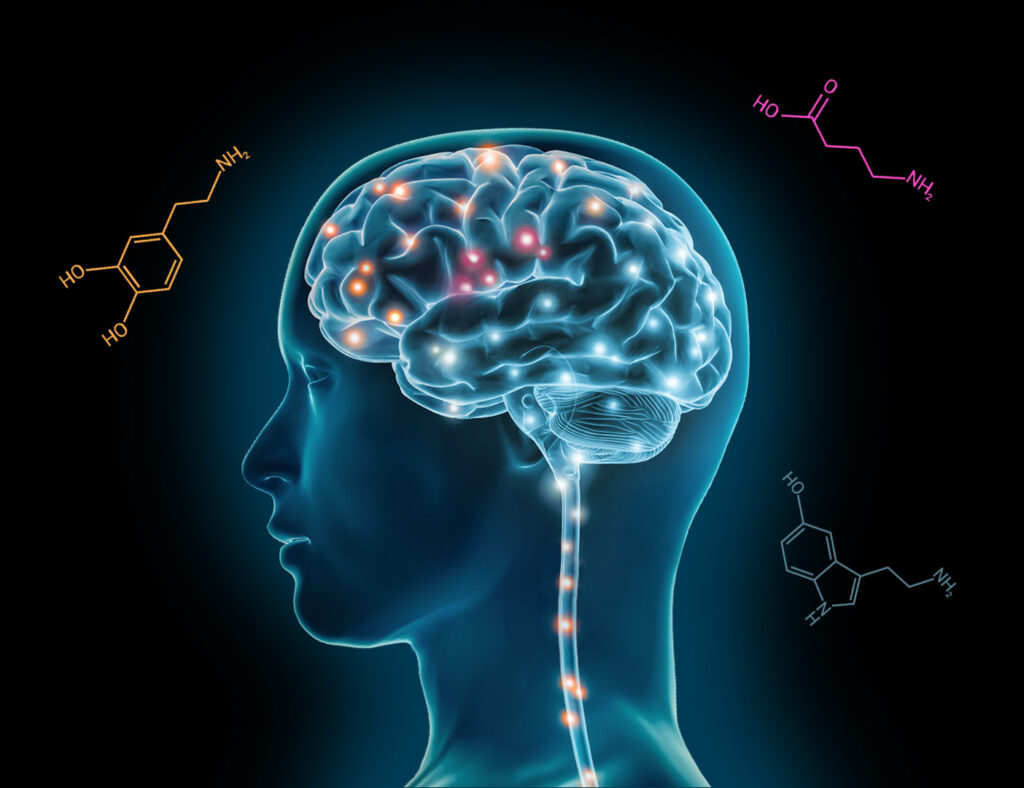
From the primal hum of prehistoric camps to the vibrant buzz of contemporary cities, a fundamental human need has persisted, echoing through the millennia: the need to belong. It’s a craving as ancient and essential as hunger or thirst, woven into the very fabric of our being. While we intuitively understand the emotional comfort and joy that friendships bring, the depth of their impact extends far beyond mere sentiment. Friends, in their quiet, profound way, are master alchemists, subtly—and sometimes dramatically—recalibrating our very brain chemistry, reshaping our neural landscapes, and fundamentally altering our perception of the world.
This is not simply a metaphor; it is a biological imperative, a testament to millions of years of evolution that hardwired us for connection. To truly appreciate the neurobiology of belonging is to embark on a journey into the intricate machinery of the human brain, where neurotransmitters dance, hormones surge, and neural networks fire in a symphony orchestrated by the presence of another. It’s a story of survival, pleasure, resilience, and the profound, transformative power of shared human experience.
The Evolutionary Imperative: Architects of Connection
To understand why friendship holds such sway over our biology, we must first cast our gaze back to our distant ancestors. For early hominids, isolation was a death sentence. A lone individual was vulnerable to predators, unable to effectively hunt large game, gather sufficient resources, or protect offspring. Survival was intrinsically linked to the collective. Those who possessed a biological predisposition for forming strong social bonds were more likely to survive, reproduce, and pass on their genes.
This evolutionary pressure sculpted our brains over epochs, favoring neural architectures that promoted cooperation, empathy, and social cohesion. The capacity for theory of mind—the ability to attribute mental states (beliefs, intentions, desires) to oneself and others—became paramount. The development of complex language facilitated intricate social interactions, allowing for shared knowledge, coordinated efforts, and the building of trust. Our very intelligence, it can be argued, evolved in the crucible of social complexity, driven by the need to navigate ever-expanding social networks.
Thus, the brain evolved to view social connection not as a luxury, but as a fundamental resource, akin to food and water. It developed sophisticated reward systems to incentivize social seeking and elaborate alarm systems to signal the dangers of social isolation. Our modern brains, despite millennia of societal advancements, still operate on these ancient algorithms, perpetually seeking connection and registering its absence as a threat.
The Neurochemical Orchestra: A Symphony of Shared Experience
The immediate, tangible impact of friendship on our internal world is largely mediated by a complex interplay of neurochemicals—the brain’s messengers—and hormones, which regulate longer-term physiological processes. These substances are the conductors of our emotional and social lives, and their release is exquisitely tuned to our interactions with others.
Oxytocin: The Elixir of Trust and Bonding
Perhaps the most celebrated neurochemical in the realm of social bonding is oxytocin, often dubbed the "love hormone" or "cuddle chemical." Released from the posterior pituitary gland, oxytocin plays a pivotal role in a wide range of social behaviors, from maternal bonding and romantic attachment to trust, empathy, and generosity within friendships.
When you share a laugh with a friend, offer a comforting touch, or engage in a heartfelt conversation, oxytocin levels in your brain and bloodstream subtly rise. This surge enhances feelings of trust and reduces social anxiety, making you more receptive to connection and less wary of vulnerability. It acts on the amygdala, a brain region central to fear processing, effectively dampening its activity and allowing for a greater sense of security and openness.
In friendships, oxytocin fosters a virtuous cycle. Its release during positive social interactions reinforces the desire for further connection, strengthening the bond. It promotes prosocial behaviors, making us more likely to cooperate, share, and offer support to our friends, which in turn elicits reciprocal behaviors and further oxytocin release. This powerful hormone not only helps initiate friendships but also plays a crucial role in their long-term maintenance, cementing the feelings of loyalty and attachment that define deep companionship.
Dopamine: The Reward of Connection
If oxytocin is the glue of social bonds, dopamine is the engine that drives us to seek and savor them. Dopamine is a primary neurotransmitter in the brain’s reward system, particularly active in the mesolimbic pathway, which originates in the ventral tegmental area (VTA) and projects to the nucleus accumbens, prefrontal cortex, and other regions. This system is activated by experiences that are vital for survival and well-being, such as eating, sex, and, crucially, social connection.
The anticipation of seeing a friend, the joy of a shared experience, or the satisfaction of a successful collaboration all trigger dopamine release. This creates a pleasurable sensation that reinforces the behavior, making us more likely to seek out those interactions again. Friendship, therefore, becomes a highly rewarding experience, literally lighting up the brain’s pleasure centers.
Dopamine’s role extends beyond mere pleasure; it also fuels motivation and learning. When we form new friendships, dopamine helps us learn who is trustworthy, who shares our interests, and who provides positive social feedback. It drives us to invest time and energy into these relationships, motivated by the promise of social reward and the intrinsic satisfaction of belonging.
Endogenous Opioids (Endorphins): The Warm Glow of Togetherness
The feeling of warm contentment, gentle euphoria, and even pain relief experienced in the company of friends can often be attributed to the release of endogenous opioids, more commonly known as endorphins. These natural painkillers and mood elevators are produced by the body in response to various stimuli, including physical exertion, laughter, and social bonding.
Shared laughter, a hallmark of deep friendship, is a potent activator of the opioid system. Studies have shown that genuine laughter increases pain tolerance, a proxy for endorphin release, and this effect is amplified when laughter is shared with others. The "runner’s high" isn’t just for athletes; a "social high" can be achieved through synchronized activities like dancing, singing, or even simply engaging in lively conversation. These shared, often physically active or emotionally expressive experiences, strengthen social bonds by bathing the brain in these blissful chemicals.
Endorphins contribute to the feeling of belonging by creating a sense of comfort and well-being in the presence of others, literally making us feel good to be together. They also play a role in mitigating social pain, the emotional distress that arises from rejection or exclusion, by activating some of the same neural pathways that process physical pain.
Serotonin: Stabilizing the Social Self
Serotonin, widely known for its role in mood regulation, also plays a significant part in the neurobiology of belonging. Adequate serotonin levels are associated with feelings of well-being, calmness, and social confidence. In the context of friendship, serotonin contributes to the stability and contentment derived from secure social connections.
Dysregulation of serotonin is linked to mood disorders like depression and anxiety, which often manifest with social withdrawal. Conversely, strong social ties can help maintain healthy serotonin levels, contributing to emotional resilience and a more positive outlook. The presence of supportive friends can buffer against life’s stressors, helping to keep our emotional equilibrium stable, partly through serotonin’s modulating effects on mood and anxiety.
Cortisol: The Stress Buffer
While not a "feel-good" chemical, cortisol, the primary stress hormone, reveals the crucial protective role of friendship. When we face threats or stress, the hypothalamic-pituitary-adrenal (HPA) axis activates, releasing cortisol to prepare the body for "fight or flight." Chronic stress and elevated cortisol levels are detrimental to physical and mental health.
However, social support acts as a powerful buffer against stress. The presence of trusted friends can significantly reduce the physiological stress response. Studies show that individuals with strong social networks exhibit lower baseline cortisol levels and a more rapid return to baseline after stressful events. A comforting hug from a friend, a listening ear, or even the simple knowledge that support is available, can directly dampen the HPA axis, reducing cortisol release and mitigating the damaging effects of chronic stress. This protective effect underscores how deeply our social connections are intertwined with our physiological well-being.
The Brain’s Social Architecture: Neural Networks of Connection
Beyond individual neurochemicals, the brain’s very structure and function are profoundly shaped by social interaction. Specific brain regions and complex neural networks are dedicated to processing social information, understanding others, and facilitating connection.


Post Comment