Heart-to-Heart: How Strong Social Ties Lower Cardiovascular Risk
The human heart, that tireless marvel of biology, beats roughly 100,000 times a day, circulating life through every vein and artery. It is a pump, a rhythm keeper, a symbol of life itself. For centuries, our understanding of its vulnerabilities and strengths focused primarily on the tangible: cholesterol levels, blood pressure, genetics, diet, and exercise. Yet, nestled within the complex web of physiological markers and lifestyle choices, an unseen architecture of resilience has been quietly building, its blueprints etched not in our DNA, but in the intricate patterns of human connection.
This is the story of how the heart, often considered a solitary organ, thrives in community. It is the narrative of "Heart-to-Heart," revealing how the strength of our social ties – the bonds of family, the embrace of friendship, the belonging of community – don’t merely enrich our lives, but fundamentally reshape our cardiovascular destiny, lowering our risk of disease, extending our healthy years, and adding depth to the very rhythm of our existence. For the knowledgeable mind, accustomed to dissecting empirical data, this journey will unpack the profound mechanisms through which love, support, and companionship become a powerful, often underestimated, prescription for a healthier heart.
A Whispering Suspect: The Dawn of an Idea
For much of modern medicine, the heart was treated as an isolated machine, its ailments diagnosed and repaired with mechanical precision. But as epidemiology matured, scientists began to observe anomalies, whispers of patterns that defied purely biological explanations.
One of the earliest and most compelling anecdotes emerged from Roseto, Pennsylvania, a small, close-knit Italian-American community studied in the 1960s. Here, researchers found that despite diets rich in saturated fats, high rates of smoking, and a general lack of regular exercise, the rates of heart disease among Roseto residents were remarkably low, significantly lower than those in neighboring towns. The Roseto Effect, as it came to be known, puzzled physicians. What was their secret? It wasn’t their genetics, nor their physical activity, which was comparable to others. The researchers concluded it was their robust social structure: strong family bonds, a vibrant community life, mutual support systems, and a deep sense of belonging that buffered them from the stresses of modern life. This communal shield, they hypothesized, somehow protected their hearts.
Around the same time, the groundbreaking Alameda County Study, launched in 1965, began tracking nearly 7,000 adults in California. Unlike Roseto, this study was designed to quantify the impact of social connections. Over a decade, researchers found that people with fewer social ties (measured by marriage, contacts with friends and relatives, church membership, and other group affiliations) had significantly higher mortality rates, regardless of their initial health status, socioeconomic standing, or health behaviors like smoking or drinking. The findings were staggering: individuals with the fewest social ties were 2 to 3 times more likely to die than those with the most extensive connections. Cardiovascular disease was a major contributor to this disparity.
These early findings, while compelling, were initially met with a degree of skepticism in a medical establishment focused on tangible, physiological markers. Yet, they laid the groundwork for a paradigm shift, urging us to look beyond the individual organism and consider the ecosystem of human relationships as a vital determinant of health. The "story" of heart health began to expand, moving from the sole domain of biochemistry to encompass the rich tapestry of human interaction.
The Intricate Weave: Unpacking the Mechanisms
The notion that social ties influence cardiovascular health is no longer a quaint observation; it’s a scientifically robust conclusion, supported by decades of research across disciplines. For the knowledgeable audience, the crucial question becomes: how? How do the abstract concepts of love, friendship, and community translate into tangible physiological changes that protect the heart? The answer lies in a complex interplay of behavioral, psychological, and physiological pathways that intertwine to create a formidable defense against cardiovascular disease (CVD).
Behavioral Pathways: The Nudge Towards Wellness
Perhaps the most intuitive connection lies in how our social networks influence our daily choices.
- Shared Healthy Habits: Friends and family often engage in health-promoting behaviors together. A spouse might encourage regular walks, a friend might invite you to a healthy cooking class, or a community group might organize a charity run. These shared experiences normalize and reinforce positive lifestyle choices, making them easier to adopt and sustain.
- Accountability and Motivation: Knowing that others are relying on you, or simply being observed by a supportive network, can be a powerful motivator. A workout buddy ensures you don’t skip the gym. A family member reminds you to take your medication. This external accountability can significantly improve adherence to medical advice and self-care routines.
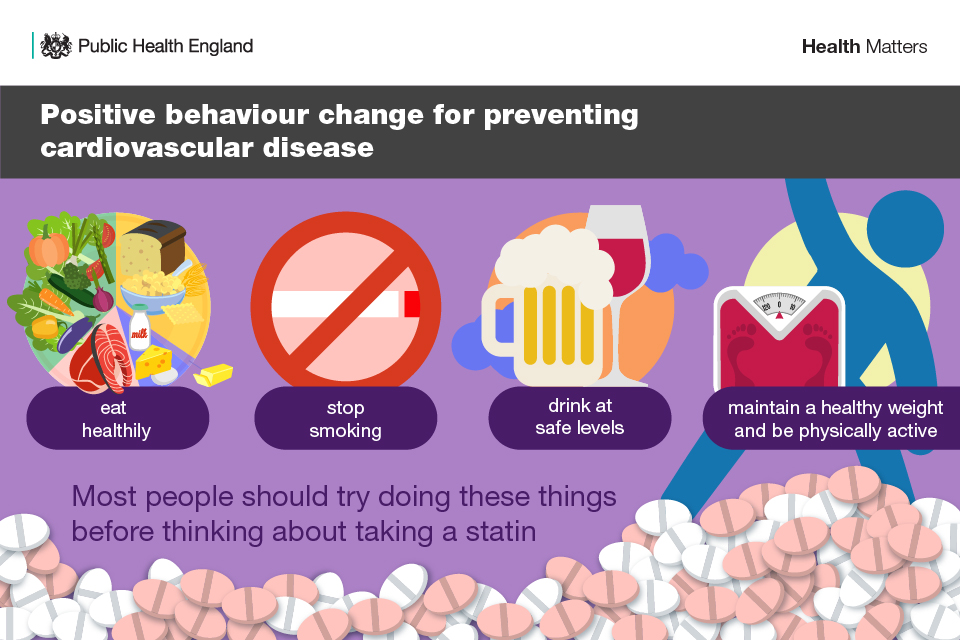
- Discouraging Unhealthy Behaviors: Conversely, strong social ties can act as a deterrent to detrimental habits. A partner might help you quit smoking, or friends might encourage responsible drinking. The desire to be present for loved ones can provide a compelling reason to prioritize health.
- Access to Resources: Social networks can also provide practical support, such as transportation to doctor’s appointments, help navigating complex healthcare systems, or financial assistance during illness. This practical aid removes barriers to receiving timely and effective care.
Psychological & Emotional Pathways: The Buffer Against Adversity
Beyond behavior, social connections deeply influence our psychological landscape, particularly our ability to manage stress—a notorious antagonist to cardiovascular health.
- Stress Buffering Hypothesis: This central theory posits that social support acts as a buffer against the adverse effects of stress. When faced with a challenging situation, the presence of supportive individuals can alter our perception of the threat, making it seem less daunting. Knowing you have someone to confide in, someone who understands, can mitigate the emotional and physiological response to stressors.
- Emotional Regulation: Human connection facilitates emotional co-regulation. Sharing joy amplifies it; sharing sorrow dissipates its intensity. The ability to express emotions and receive validation from others helps prevent rumination and chronic negative affective states, which are linked to increased CVD risk. A sense of belonging, purpose, and self-esteem derived from social interactions also combats depression and anxiety—well-established independent risk factors for heart disease.
- Cognitive Function: Engaging in stimulating social interactions can also contribute to better cognitive function, which indirectly supports health management and adherence to complex medical regimens, especially in older adults.
Physiological Pathways: The Silent Symphony Within
This is where the story deepens for the knowledgeable audience, delving into the molecular and cellular choreography orchestrated by our social lives. The constant ebb and flow of human interaction directly impacts our neuroendocrine, immune, and cardiovascular systems.
-
Neuroendocrine System (HPA Axis and SNS Regulation): Chronic stress activates the hypothalamic-pituitary-adrenal (HPA) axis, leading to sustained release of cortisol, and the sympathetic nervous system (SNS), releasing catecholamines like adrenaline and noradrenaline. While crucial for acute "fight or flight" responses, chronic elevation of these hormones is highly detrimental. It promotes inflammation, insulin resistance, visceral adiposity, and endothelial dysfunction – all precursors to atherosclerosis and CVD. Social support, however, is a potent modulator. It can blunt the HPA axis and SNS responses to stress, leading to lower basal levels of cortisol and adrenaline, and a faster return to homeostasis after a stressful event. This reduced "allostatic load" directly protects the cardiovascular system.

Post Comment