The Indispensable Thread: Why Friendship Is a Biological Necessity
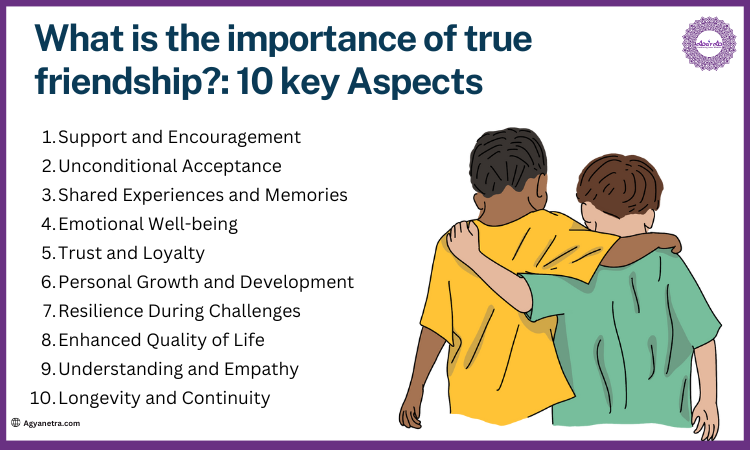
In the vast tapestry of human existence, woven with threads of love, family, ambition, and struggle, there lies an often-underestimated, yet utterly vital, strand: friendship. We speak of love as an essential nutrient, family as an anchor, but friendship, too often relegated to the realm of mere pleasantry or social grace, is in fact a profound biological imperative, etched into our very DNA. It is not just a nice-to-have; it is a necessity for survival, a catalyst for thriving, and a fundamental pillar of what it means to be human. To understand this, we must journey back to the dawn of our species, delve into the intricate workings of our biology, and explore the profound impact these chosen bonds have on our minds and spirits in the complex crucible of modern life.
Part 1: The Echoes of the Savannah – Friendship’s Evolutionary Blueprint
The prevailing narrative of evolution often centers on "survival of the fittest," conjuring images of lone predators or ruthless competition. While competition certainly plays a role, a more nuanced understanding reveals a parallel, equally powerful force: "survival of the friendliest." For early hominids, solitary existence was a death sentence. The African savannah, teeming with apex predators and scarce resources, demanded cooperation. A lone human, slow by predator standards and lacking the brute force of many large animals, would quickly succumb. But a group – a band of individuals who trusted, supported, and relied on one another – possessed a formidable advantage.
Imagine a small group of early Homo sapiens foraging on the open plains. One spots a distant leopard; another, higher in a tree, identifies a ripe fruit tree; a third, skilled with a sharpened stick, defends against a rival group. Each contribution, each specialized skill, is magnified by the collective. This isn’t merely altruism; it’s reciprocal altruism, the bedrock of early friendship. "I will share my kill with you today, knowing you will share yours with me tomorrow when my hunt fails." This unspoken contract, sealed not by legal documents but by trust and shared vulnerability, was the first form of social insurance.
This wasn’t just about immediate physical survival. Child-rearing, for instance, is an intensely demanding endeavor, particularly for a species with large-brained, slow-developing offspring. A single mother, vulnerable during pregnancy and lactation, would struggle immensely to protect and nourish her young. But with the support of other women – alloparents, or "aunts" – who shared childcare duties, gathered food, and offered protection, the chances of offspring survival soared. These networks of cooperative care, often extending beyond immediate kin, are the very essence of proto-friendship, demonstrating that the ability to form deep, non-familial bonds was a crucial selective pressure. Those who could form and maintain such bonds were more likely to pass on their genes.
Our brains, the most complex organs known, bear the indelible mark of this evolutionary pressure. The "social brain hypothesis" posits that the exceptional size and complexity of the primate, and especially the human, brain evolved primarily to navigate intricate social relationships. To remember who did what for whom, to track alliances and rivalries, to predict the behavior of others, to empathize and deceive – these cognitive demands fueled the expansion of our neocortex. Friendship, in this context, isn’t a byproduct of intelligence; it’s a driver of it.
Furthermore, our bodies are wired for connection. The neurochemical cocktail that bathes our brains during positive social interactions is a powerful testament to friendship’s biological mandate. Oxytocin, often dubbed the "love hormone," surges during bonding experiences – not just romantic love or parental care, but also during shared laughter, mutual support, and even a simple comforting touch between friends. It fosters trust, reduces fear, and promotes pro-social behavior. Dopamine, associated with pleasure and reward, reinforces these interactions, making us seek out and repeat experiences that strengthen our bonds. Serotonin, linked to mood regulation, contributes to the sense of well-being derived from belonging. When we feel connected, our brains are literally rewarding us, reinforcing behaviors that promote social cohesion.
Thus, from the earliest human encampments to the sprawling metropolises of today, the ability to forge and maintain friendships has been an evolutionary triumph. It armed us with collective strength, distributed knowledge, emotional resilience, and a deep-seated sense of belonging that is as fundamental to our being as the need for food and water. We are, by design, not meant to walk this earth alone.
Part 2: The Inner Sanctuary – How Friendship Rewires Our Biology
The evolutionary echoes of the savannah resonate profoundly within our modern physiology. The impact of friendship isn’t merely psychological; it’s a powerful force that literally rewires our biology, influencing everything from our immune system to our heart health and even our lifespan. To dismiss friendship as purely emotional is to ignore the tangible, measurable ways it safeguards our physical well-being.
Perhaps one of the most significant biological benefits of strong friendships is their profound effect on stress. Chronic stress, the silent killer of the modern age, floods our bodies with cortisol, the primary stress hormone. Elevated cortisol levels, sustained over time, wreak havoc: suppressing the immune system, increasing inflammation, raising blood pressure, disrupting sleep, and contributing to a host of chronic diseases from heart disease to diabetes. Friends, however, act as powerful biological buffers against this cascade. The simple act of talking through a problem with a trusted friend can lower cortisol levels, activate the parasympathetic nervous system (our "rest and digest" system), and restore a sense of calm. This isn’t just anecdotal comfort; studies have shown that individuals with robust social support networks exhibit lower baseline cortisol levels and recover more quickly from stressful events.
Consider the immune system. In times of stress, our body’s defenses weaken, making us more susceptible to illness. But the sense of security and belonging fostered by friendship has a demonstrable positive effect on immune function. Research has indicated that socially integrated individuals tend to have stronger immune responses, producing more antibodies when vaccinated and recovering faster from illness. The comfort of knowing you have a "tribe" to fall back on, to care for you when you’re sick, or simply to cheer you up, sends powerful signals of safety to the body, allowing it to allocate resources to maintenance and defense rather than constant vigilance.
The heart, too, beats healthier with friends by its side. Loneliness and social isolation are increasingly recognized as significant risk factors for cardiovascular disease, comparable to smoking or obesity. Conversely, strong social ties are associated with lower blood pressure, reduced risk of heart attacks, and improved recovery rates. The town of Roseto, Pennsylvania, famously studied in the 1960s, provides a compelling, if informal, case study. Despite high rates of smoking, poor diet, and physically demanding labor, Roseto’s residents had significantly lower rates of heart disease than neighboring communities. The researchers ultimately concluded that the extraordinary social cohesion, the tight-knit community, the daily rituals of shared life, and the deep, multi-generational friendships acted as a protective shield against the ravages of modern life. This "Roseto Effect" beautifully illustrates friendship’s profound, physiological impact.
Even pain, that most visceral of human experiences, is mitigated by the presence of friends. Shared laughter, a comforting touch, or simply the distraction of engaging conversation can trigger the release of endorphins, the body’s natural painkillers. Studies have shown that individuals with strong social bonds report higher pain tolerance. The shared experience of physical activity with friends, for example, is often more enjoyable and less perceived as effortful, partly due to this endorphin rush. The sense of belonging can even alleviate emotional pain, validating our experiences and providing a sense of shared burden.
Finally, and perhaps most strikingly, friendship profoundly impacts our longevity. A landmark meta-analysis, compiling data from over 148 studies involving more than 300,000 participants, revealed that individuals with strong social relationships had a 50% greater likelihood of survival. This effect was comparable to quitting smoking and significantly stronger than factors like exercise or obesity. It’s a staggering statistic that underscores the biological necessity of connection. To live a longer, healthier life, cultivating meaningful friendships is as important as a balanced diet and regular exercise. Our bodies, from our cells to our cardiovascular system, are quite literally designed to thrive in the warmth of human connection.
Part 3: The Mind’s Tapestry – Cognitive and Emotional Scaffolding
Beyond the physical, friendship acts as an intricate scaffolding for our minds and spirits, shaping our emotional landscape, honing our cognitive abilities, and fortifying our mental resilience. It’s in the crucible of these chosen relationships that much of our identity is forged, our worldview expanded, and our sense of purpose affirmed.
Emotionally, friends are our co-regulators. We are not designed to process the full spectrum of human emotion in isolation. When joy strikes, friends amplify it, turning individual delight into shared effervescence. When sorrow descends, friends offer solace, not necessarily by fixing the problem, but by simply bearing witness, validating our pain, and reminding us we are not alone in our suffering. This "co-regulation" of emotions is a vital psychological mechanism. Venting frustrations, sharing fears, or celebrating triumphs allows us to externalize and process our internal states, preventing them from overwhelming us. A trusted friend provides a safe space for vulnerability, where we can shed masks and be authentically ourselves, fostering a sense of psychological safety that is crucial for mental well-being.
Cognitively, friendship is a powerful stimulant. Friends introduce us to new perspectives, challenge our assumptions, and expose us to diverse ideas. Engaging in lively debate, sharing new knowledge, or collaboratively problem-solving with friends sharpens our critical thinking skills, broadens our intellectual horizons, and keeps our minds agile. They act as sounding boards, helping us refine our thoughts and articulate our ideas more clearly. The give-and-take of conversation, the negotiation of shared activities, and the empathy required to understand another’s viewpoint all contribute to enhanced cognitive flexibility and social intelligence.
Perhaps one of friendship’s most profound psychological gifts is its role in identity formation and maintenance. Our friends often reflect aspects of ourselves back to us, helping us to see our strengths and weaknesses, to understand who we are and who we aspire to be. They provide a sense of belonging, a fundamental human need, answering the deep-seated question, "Am I seen? Am I valued?" In a world that often demands conformity, true friends celebrate our quirks, support our dreams, and accept us, flaws and all. This unconditional acceptance is a powerful antidote to self-doubt and provides a stable foundation from which we can explore our potential.
The protective shield of friendship extends powerfully to mental health. Loneliness is not merely a feeling; it is a state of mind that has been linked to increased risks of depression, anxiety disorders, and even neurodegenerative diseases. Strong friendships, conversely, are potent buffers against these afflictions. The consistent presence of supportive friends provides a sense of security and purpose, reducing feelings of isolation and hopelessness. They can be the first to notice signs of distress, offering a lifeline and encouraging professional help when needed. Knowing there are people who care, who will listen without judgment, and who will stand by us through adversity, is an invaluable resource for navigating life’s inevitable challenges.
Furthermore, friends often serve as our moral compass, helping us navigate ethical dilemmas and reinforcing prosocial behavior. They hold us accountable, celebrating our successes and gently (or not so gently) calling us out when we stray from our values. Through shared experiences and discussions, they help us develop a more nuanced understanding of right and wrong, empathy for others, and a stronger sense of personal integrity. In essence, friendship is a continuous, informal school for emotional intelligence and ethical development.
Part 4: Friendship in the Modern Labyrinth – Navigating Connection in a Complex World
In our increasingly interconnected yet paradoxically isolated modern world, the biological necessity of friendship faces new challenges and opportunities. The digital age, with its sprawling social networks and constant connectivity, presents a unique paradox: never before have we had so many "friends," yet never before have so many reported feeling profoundly lonely.
The sheer volume of online "connections" can be deceptive. While social media can offer glimpses into the lives of many and facilitate communication across distances, it often lacks the depth, intimacy, and reciprocal vulnerability that define true friendship. A "like" or a brief comment cannot replace the shared silence of companionship, the comforting presence during a crisis, or the deep understanding forged through years of shared experience. In fact, excessive passive consumption of social media can sometimes exacerbate feelings of inadequacy and isolation, as curated highlight reels foster comparisons rather than genuine connection. The biological rewards of oxytocin and dopamine are strongest during in-person, reciprocal interactions, where body language, tone of voice, and physical presence reinforce the bond.
This brings us to the concept of the "Dunbar number," proposed by anthropologist Robin Dunbar, which suggests that humans can comfortably maintain only about 150 stable relationships, with a much smaller core group of around 5 close friends and 15 good friends. This cognitive limit underscores the importance of prioritizing quality over quantity. In an age of information overload, our social capacity is also finite. Investing time and energy into a few deeply meaningful friendships yields far greater biological and psychological dividends than spreading ourselves thin across hundreds of superficial acquaintances.
Maintaining these vital bonds in a fast-paced, often transient world requires intentional effort. Friendship isn’t passive; it demands investment. It requires showing up – physically, emotionally, and consistently. It means active listening, remembering details, offering help without being asked, and initiating contact. It also requires vulnerability, the courage to share our true selves, even our imperfections. And crucially, it requires forgiveness. No friendship is without its conflicts or misunderstandings, and the ability to navigate these challenges, to apologize, and to extend grace is fundamental to the longevity of the bond. These acts of maintenance are not chores; they are investments in our biological and psychological health.
The cost of neglecting this biological necessity is stark and increasingly evident. The growing epidemic of loneliness is now recognized as a major public health crisis, impacting physical and mental health as profoundly as chronic disease. Individuals lacking strong social connections face higher risks of premature death, heart disease, stroke, dementia, depression, and anxiety. The human brain, deprived of the social stimulation and emotional regulation provided by friendship, can enter a state of chronic stress, triggering the very physiological and psychological tolls discussed earlier. It is a feedback loop: isolation breeds ill health, which further isolates, creating a devastating cycle.
Conclusion: The Indispensable Thread – A Call to Connection


Post Comment