Vagus Nerve and Vibes: The Link Between Socializing and Stress Regulation
In the relentless hum of modern life, stress has become an unwelcome constant, a shadow that trails us from our demanding careers to the quiet corners of our homes. We seek solace in various forms – meditation apps, rigorous workouts, solo retreats – yet often overlook one of humanity’s oldest and most potent remedies: the balm of genuine social connection. What if the antidote to our frazzled nervous systems isn’t just an internal practice, but an external, shared experience, intricately woven into our very biology?
This is the story of the vagus nerve, a remarkable biological highway, and its profound, often underestimated, relationship with our social world. It’s a narrative that reveals how the simple act of connecting with others isn’t merely a pleasant pastime, but a fundamental mechanism for regulating our stress response, fostering resilience, and nurturing a deep sense of well-being. For the knowledgeable mind, accustomed to dissecting the intricate dance of physiology and psychology, the interplay between our "vibes" – the energy and quality of our social interactions – and the subtle yet powerful operations of the vagus nerve offers a compelling paradigm shift in understanding human health.
The Vagus Nerve: Our Internal Peacemaker
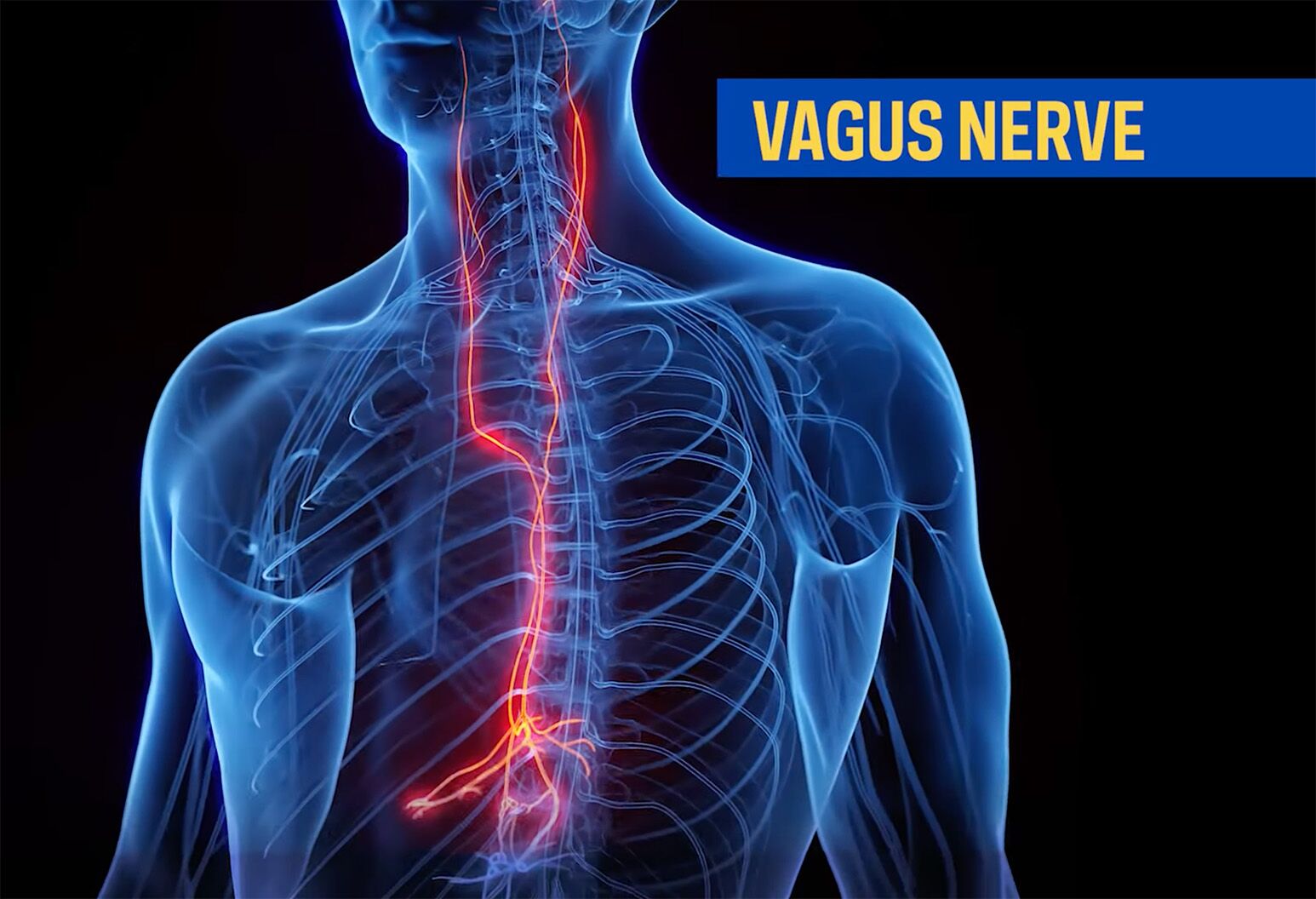
To truly appreciate the power of social connection, we must first introduce our protagonist: the vagus nerve. Originating in the brainstem, this meandering nerve is the longest and most complex of the cranial nerves, branching out like an ancient river system to touch almost every major organ in the body – the heart, lungs, digestive tract, and even the vocal cords. It is the primary conduit of the parasympathetic nervous system (PNS), the "rest and digest" branch of our autonomic nervous system (ANS).
Imagine the ANS as the body’s autopilot, constantly scanning the environment and adjusting our internal state to optimize survival. It has two main modes: the sympathetic nervous system (SNS), our accelerator, responsible for "fight or flight" responses, mobilizing resources in the face of perceived threat; and the parasympathetic nervous system, our brake, which calms us down, conserves energy, and promotes recovery. The vagus nerve is the star player in this calming system, a diligent internal peacemaker, constantly working to restore equilibrium after periods of stress or arousal.
When the vagus nerve is actively engaged, it orchestrates a symphony of physiological responses designed for calm: heart rate slows, digestion improves, breathing deepens, and inflammation subsides. Its activity is often measured by "vagal tone," an indicator of its strength and responsiveness. A higher vagal tone signifies a more resilient individual, someone who can quickly recover from stress, regulate emotions effectively, and maintain a robust immune system. Conversely, low vagal tone is associated with chronic stress, anxiety, depression, and a host of inflammatory conditions.
But the story of the vagus nerve isn’t merely about turning down the volume on stress. It’s about discerning safety from danger, connection from isolation, and it’s here that Dr. Stephen Porges’ Polyvagal Theory offers a revolutionary lens through which to view our social lives.
The Polyvagal Map: Navigating States of Safety and Threat
Polyvagal Theory expands our understanding of the ANS beyond a simple two-lane highway, proposing a hierarchical system of three distinct neural circuits, each responding to different levels of perceived safety or threat.
-
The Ventral Vagal Complex (VVC): The Social Engagement System. This is the newest and most sophisticated branch of the vagus nerve, unique to mammals. When activated, the VVC brings forth feelings of safety, connection, and calm. It orchestrates our "social engagement system," involving the nerves that control facial expressions, vocalizations (prosody), and head movements. Think of a genuine smile, a warm, soothing voice, or a comforting gaze – these are all manifestations of the VVC at work, signaling safety and inviting connection. This state allows for empathy, intimacy, and playful interaction. When our VVC is active, we are open, receptive, and truly present with others.
-
The Sympathetic Nervous System (SNS): Mobilization. Below the VVC lies the more ancient SNS. If the VVC cannot find safety through social engagement (e.g., a friendly face doesn’t appear, or a perceived threat persists), the system mobilizes. This is the familiar "fight or flight" response, preparing us to defend ourselves or flee from danger. Our heart races, muscles tense, and senses sharpen. We become hypervigilant, ready for action.
-
The Dorsal Vagal Complex (DVC): Immobilization. This is the oldest and most primitive vagal circuit, shared with reptiles. If both social engagement and mobilization fail to resolve the threat, the DVC takes over, leading to a state of shutdown, collapse, or dissociation. This is the "freeze" response, a last-ditch effort to conserve energy and minimize pain, akin to an opossum playing dead. It manifests as feelings of numbness, hopelessness, or profound fatigue. While adaptive in life-threatening situations, chronic DVC activation can lead to severe mental and physical health issues.
The brilliance of Polyvagal Theory lies in its emphasis on neuroception – our unconscious perception of safety or danger, independent of our conscious thoughts. Our nervous system is constantly scanning for cues from our environment, particularly from other humans. A warm smile, gentle touch, or melodious voice acts as a potent signal of safety, activating our VVC and nudging us into a state of calm connection. Conversely, a harsh tone, averted gaze, or sudden movement can trigger our SNS or even DVC, irrespective of logical reasoning.
This hierarchical system underscores a crucial point: our capacity for connection is directly linked to our sense of safety, which is profoundly influenced by our social interactions.
The Social Brain and the Vagus Nerve: A Dance of Neurochemicals
Humans are, by nature, deeply social creatures. Our survival throughout evolutionary history depended on our ability to cooperate, bond, and form cohesive groups. This imperative has sculpted our brains and bodies, creating an intricate neurobiological system that rewards connection and punishes isolation. The vagus nerve sits at the heart of this system, acting as a crucial mediator between our social environment and our internal physiological state.
Consider the role of oxytocin, often dubbed the "love hormone" or "cuddle chemical." Released during physical touch, intimate conversations, and breastfeeding, oxytocin fosters feelings of trust, bonding, and empathy. But its influence extends beyond mere sentimentality; oxytocin has a direct and significant impact on the vagus nerve. Studies show that oxytocin can stimulate vagal activity, thereby enhancing the parasympathetic response, slowing heart rate, and reducing blood pressure. It acts as a potent anti-stress agent, creating a feedback loop where social connection releases oxytocin, which in turn boosts vagal tone, making us more receptive to future social interactions.
Other neurochemicals also play supporting roles. Dopamine, associated with reward and motivation, surges during positive social experiences, reinforcing our drive for connection. Serotonin, a mood regulator, contributes to feelings of well-being and belonging that arise from healthy social bonds. The intricate interplay of these neurotransmitters, all influenced by and influencing vagal activity, paints a vivid picture of how deeply our biology is wired for connection.
Beyond neurochemicals, the concept of mirror neurons offers another fascinating insight. These specialized brain cells fire not only when we perform an action but also when we observe someone else performing the same action. They are fundamental to empathy, allowing us to "feel" what others are experiencing, to understand their intentions, and to resonate with their emotional states. This mirroring is crucial for co-regulation, the process by which two or more individuals unconsciously adjust each other’s physiological and emotional states. When we are with a calm, regulated person, our own nervous system tends to entrain with theirs, often facilitated by the vagus nerve picking up on their subtle cues of safety and peace.
The Story of Stress: When Modern Life Disconnects Us
If social connection is a powerful vagal activator, what happens when it’s absent? The narrative of modern stress often reveals a profound disconnect. Our lives are increasingly characterized by chronic stressors: relentless work demands, financial anxieties, information overload from 24/7 news cycles, and the pervasive pressure of digital comparison. These stressors often keep us in a state of low-grade sympathetic activation, perpetually on edge, ready for a fight that never quite materializes.



Post Comment