Small Vegetable, Big Impact: 5 Science-Backed Benefits of Leeks
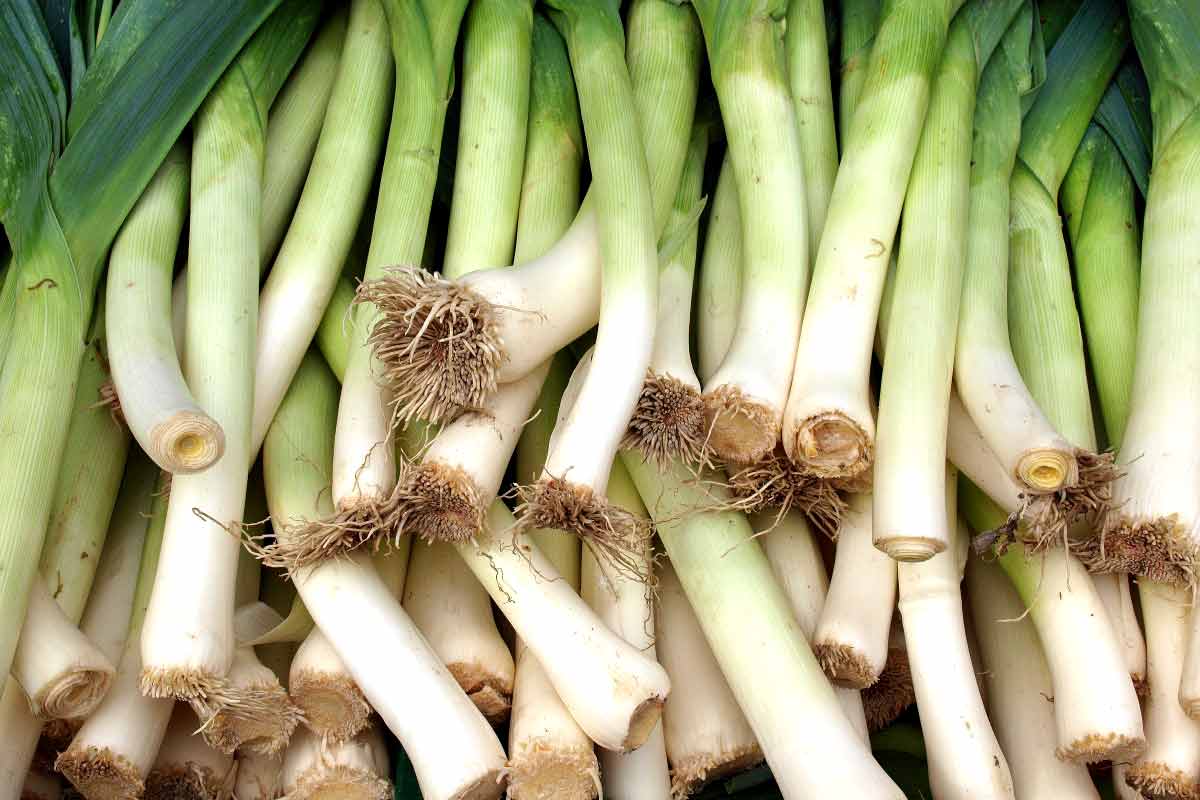
In the sprawling tapestry of the plant kingdom, where vibrant hues and exotic forms often steal the spotlight, some threads weave a quieter, yet profoundly impactful narrative. Among these unsung heroes, the leek ( Allium ampeloprasum ) stands as a testament to the idea that true power often resides in understated elegance. Far from the pungent assertiveness of its close relatives, the onion and garlic, the leek offers a delicate, subtly sweet flavor profile that has graced culinary traditions across continents for millennia. Yet, beneath its unassuming pale green and white layers lies a complex biochemical arsenal, meticulously crafted by nature to deliver a cascade of health benefits that modern science is only now beginning to fully unravel.
For the knowledgeable palate and inquisitive mind, the leek is more than just a culinary ingredient; it is a biological architect, a silent guardian of well-being, and a testament to the profound wisdom embedded in whole, natural foods. This article delves beyond the deliciousness, exploring five science-backed benefits that elevate the humble leek from a mere vegetable to a potent nutraceutical powerhouse, demonstrating its significant impact on human health.
The Ancestral Roots of a Modern Marvel
Before we embark on our scientific exploration, it’s worth acknowledging the leek’s esteemed lineage. Cultivated since antiquity, its presence is documented in ancient Egyptian reliefs, revered by Romans who believed it could clear the voice (Emperor Nero was famously nicknamed "Porrophagus" or "leek-eater" for his belief), and a staple in medieval European diets. The Welsh even adopted it as a national emblem, symbolizing resilience and strength. This enduring presence across diverse cultures isn’t merely a matter of taste; it hints at an intuitive understanding of its inherent value, a wisdom that modern scientific inquiry now seeks to validate and articulate with precision.
Our journey will peel back the layers of this fascinating allium, revealing the intricate mechanisms through which it interacts with our physiology, offering insights into its role in fostering health and resilience in an increasingly complex world.
1. Gut Microbiome Enhancement & Digestive Harmony: The Prebiotic Powerhouse
The human gut, often referred to as our "second brain," is a bustling metropolis of trillions of microorganisms – bacteria, fungi, viruses, and archaea – collectively known as the gut microbiome. This intricate ecosystem plays a pivotal role in everything from nutrient absorption and immune function to mood regulation and metabolic health. A balanced and diverse microbiome is the bedrock of holistic well-being, and the leek emerges as a formidable ally in cultivating this internal harmony.
The primary architects of the leek’s gut-friendly prowess are its abundant prebiotic fibers, particularly inulin and fructooligosaccharides (FOS). Unlike regular dietary fiber that simply adds bulk, prebiotics are non-digestible compounds that selectively nourish beneficial gut bacteria, primarily species like Bifidobacterium and Lactobacillus. These friendly microbes, in turn, ferment inulin and FOS in the colon, producing a range of beneficial metabolites, most notably short-chain fatty acids (SCFAs) such as butyrate, acetate, and propionate.
The Mechanism Unveiled:
When inulin and FOS reach the large intestine undigested, they act as a preferential fuel source for the probiotic bacteria. The fermentation process is a sophisticated biochemical cascade:
- Butyrate: This SCFA is a critical player. It serves as the primary energy source for colonocytes (the cells lining the colon), promoting their health and integrity. A robust gut barrier is essential for preventing "leaky gut syndrome," where harmful substances can pass into the bloodstream. Butyrate also exhibits potent anti-inflammatory properties within the gut, helping to mitigate conditions like inflammatory bowel disease (IBD) and irritable bowel syndrome (IBS). Furthermore, emerging research suggests butyrate may have systemic anti-inflammatory effects and even influence brain function via the gut-brain axis.
- Acetate and Propionate: These SCFAs contribute to overall gut health and have systemic effects, influencing glucose metabolism, lipid synthesis, and appetite regulation. Propionate, for instance, has been linked to improved satiety and reduced food intake.
Beyond SCFAs:
The enhanced growth of beneficial bacteria due to leek consumption also leads to:
- Pathogen Inhibition: A flourishing population of good bacteria creates an environment less hospitable for pathogenic microorganisms, thereby strengthening the gut’s natural defenses against infections.
- Improved Nutrient Absorption: A healthy microbiome can enhance the absorption of certain minerals, such as calcium and magnesium, which are crucial for bone health and numerous enzymatic reactions.
- Enhanced Immune Modulation: A significant portion of our immune system resides in the gut. By fostering a balanced microbiome, leeks indirectly contribute to a more robust and appropriately regulated immune response, helping the body differentiate between harmless and harmful foreign invaders.
Scientific studies, both in vitro and in vivo, have consistently demonstrated that dietary intake of prebiotics like those found in leeks can significantly alter the composition of the gut microbiota, leading to increased populations of beneficial bacteria and a reduction in potentially harmful ones. For the knowledgeable individual, incorporating leeks into the diet is not merely about adding fiber; it’s about actively nurturing a vital internal ecosystem that underpins systemic health and resilience.
2. Potent Antioxidant & Anti-inflammatory Powerhouse: Shielding Cellular Integrity
In the relentless biochemical dance within our cells, a constant battle wages against oxidative stress. This insidious process occurs when there’s an imbalance between the production of reactive oxygen species (ROS), or "free radicals," and the body’s ability to neutralize them with antioxidants. Unchecked oxidative stress can damage cellular components – DNA, proteins, and lipids – accelerating aging, promoting chronic inflammation, and laying the groundwork for a multitude of degenerative diseases, including cardiovascular disease, neurodegenerative disorders, and cancer.
Leeks, like their allium cousins, are veritable treasure troves of potent antioxidants and anti-inflammatory compounds, acting as diligent guardians of cellular integrity. Their vibrant green and white parts house a complex synergy of polyphenols, flavonoids, and sulfur-containing compounds, each contributing to a robust defense system.
Key Antioxidant Players:


Post Comment