Leeks vs. Onions: Which Member of the Allium Family Wins for Health?
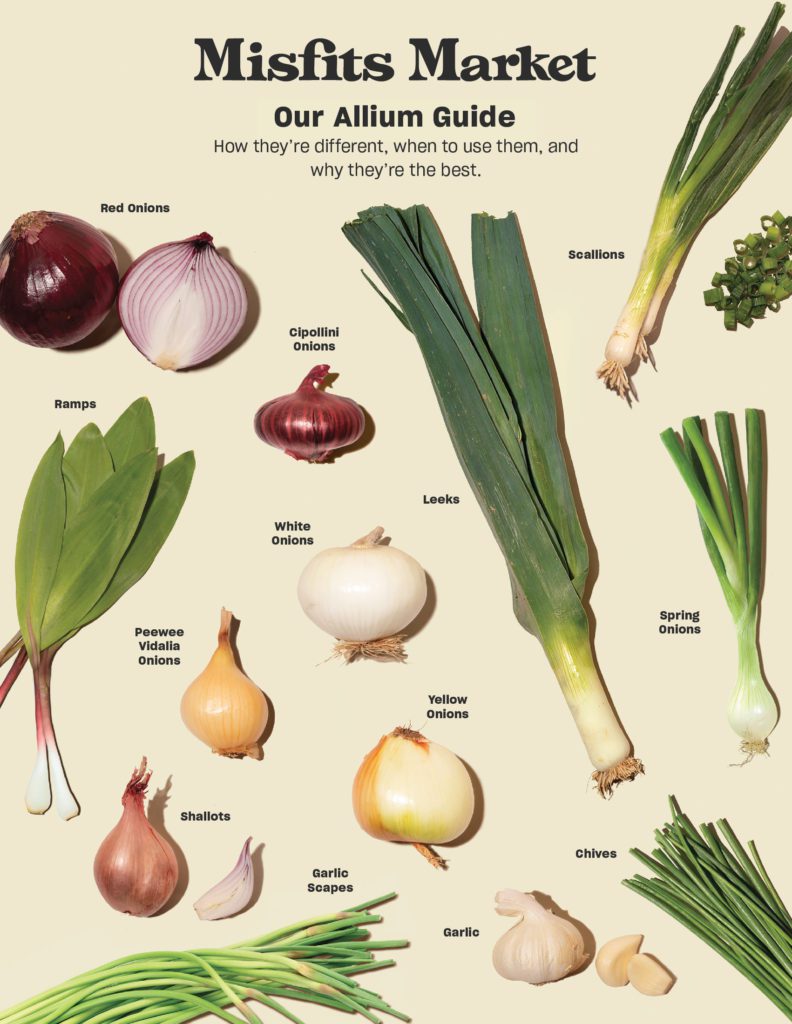
In the grand tapestry of culinary ingredients, few families boast such pervasive influence and potent health benefits as the Allium genus. From the pungent bite of garlic to the delicate whisper of chives, these botanical marvels have seasoned our dishes and healed our bodies for millennia. Yet, among its many esteemed members, two stand out as fundamental pillars in kitchens worldwide: the ubiquitous onion and its more refined, elongated cousin, the leek.
Often treated as interchangeable aromatics, or at best, distant relatives with a similar lineage, a closer look reveals a fascinating story of unique nutritional profiles, distinct phytochemical arsenals, and nuanced health implications. This isn’t merely a tale of two vegetables; it’s a deep dive into the very essence of what makes the Allium family so extraordinary, a journey to uncover which, if either, truly emerges victorious in the arena of optimal health. Prepare to peel back the layers, for the truth, much like these magnificent plants, is multifaceted and profoundly enriching.
The Humble Onion: A Global Conqueror and Ancient Healer
The onion (Allium cepa) is more than just a kitchen staple; it’s a global phenomenon, cultivated and revered across continents for over 7,000 years. Its journey began in Central Asia, spreading through the ancient world to become an indispensable component of nearly every cuisine. The Egyptians worshipped it, believing its concentric layers symbolized eternal life, placing it in pharaohs’ tombs. The Greeks and Romans used it for its medicinal properties, believing it could cure everything from headaches to snakeb bites. This isn’t just folklore; modern science is increasingly validating the wisdom of our ancestors, revealing the onion as a true powerhouse of health.
Unveiling the Onion’s Nutritional Arsenal:
At first glance, the onion seems deceptively simple: mostly water, low in calories, and providing a good dose of dietary fiber. But beneath its papery skin lies a complex symphony of micronutrients and, most importantly, an extraordinary array of bioactive compounds.
- Vitamins and Minerals: Onions are a respectable source of Vitamin C, a potent antioxidant crucial for immune function and collagen synthesis. They also provide various B vitamins, particularly Folate (B9), essential for cell growth and metabolism, and Pyridoxine (B6), involved in neurotransmitter synthesis. Minerals like Potassium (important for blood pressure regulation), Manganese, and trace amounts of Iron are also present.
- Dietary Fiber: Both soluble and insoluble fibers contribute to gut health, promoting satiety, aiding digestion, and supporting a healthy microbiome. The onion’s fiber content, particularly its fructans (like fructooligosaccharides, or FOS), acts as a powerful prebiotic, feeding beneficial gut bacteria.
-
The Phytochemical Symphony: Where the Magic Happens
The true star of the onion’s health benefits lies in its vast and diverse phytochemicals, primarily divided into two categories:-
Flavonoids: These are plant pigments responsible for many of the onion’s color variations (especially red and yellow varieties) and are incredibly potent antioxidants. The undisputed king of onion flavonoids is Quercetin.
- Quercetin: This is where the onion truly shines. Onions, especially red and yellow varieties, are among the richest dietary sources of quercetin. This potent flavonoid is a master multi-tasker, exhibiting strong antioxidant, anti-inflammatory, antihistamine, and antiviral properties. It’s often studied for its ability to scavenge free radicals, modulate immune response, and even inhibit cancer cell growth. The bioavailability of quercetin from onions is surprisingly high, particularly when consumed raw or lightly cooked.
-
Organosulfur Compounds (OSCs): These are the compounds responsible for the onion’s characteristic pungent aroma and the tear-inducing sensation when chopped. They are also responsible for a significant portion of its health benefits. When an onion is cut, enzymes (alliinases) convert sulfur-containing amino acids into unstable thiosulfinates, which rapidly break down into a variety of beneficial compounds like diallyl disulfide, diallyl trisulfide, and propyl disulfide.
- Sulfides: These compounds contribute to the onion’s ability to reduce blood clotting, lower cholesterol, and protect against certain cancers. Their precise mechanisms involve modulating detoxification enzymes, inhibiting tumor cell proliferation, and reducing oxidative stress.
-
The Onion’s Health Bounty: A Scientifically Backed Portfolio


Post Comment