The Allium Advantage: Unlocking the Hidden Health Perks of Leeks
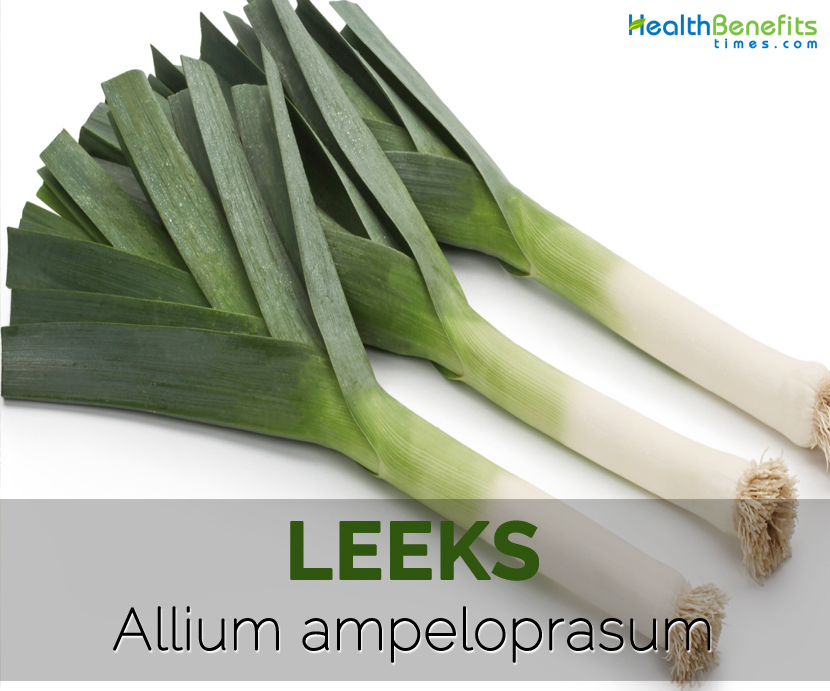
In the grand tapestry of culinary ingredients, some stars shine brightly, commanding immediate recognition for their potent flavors and widely celebrated health benefits. Garlic, with its legendary status as a superfood and ancient remedy, often takes center stage. Onions, with their versatile pungency, are indispensable in kitchens worldwide. Yet, nestled within the same illustrious Allium family, often playing a supporting role, lies a vegetable whose quiet grace belies a formidable array of health advantages: the leek.
Often overshadowed by its more robust cousins, the leek is a paradox of elegance and power. Its subtle, sweet oniony flavor makes it a chef’s darling, a foundation for delicate broths, creamy soups, and sophisticated gratins. But beyond its culinary charm lies a narrative of profound nutritional wealth, a story waiting to be told – a story of the "Allium Advantage" manifested in a uniquely gentle yet profoundly effective way.
This article embarks on a journey to uncover the hidden health perks of leeks, to delve into the science that supports their wellness potential, and to celebrate this understated giant of the plant kingdom. For the knowledgeable audience, we will move beyond superficial claims, exploring the specific compounds, mechanisms of action, and the synergistic interplay that makes the leek a quiet powerhouse, deserving of a more prominent place on our plates and in our understanding of vibrant health. Prepare to discover why the leek, far from being just a garnish or a flavor enhancer, is a formidable ally in the pursuit of well-being.
A Culinary Chameleon with Ancient Roots: The Leek’s Enduring Legacy
The story of the leek is as rich and layered as its concentric rings. Its lineage traces back thousands of years, with archaeological evidence suggesting its cultivation in ancient Egypt as far back as the 2nd millennium BC. Hieroglyphs depict leeks, and they were a staple in the diets of pyramid builders, valued for their sustenance and believed medicinal properties. The Roman Emperor Nero, famed for his vanity and artistic aspirations, was reportedly a fervent consumer of leeks, believing they would improve his singing voice – a testament to their perceived power even in antiquity. From the fertile crescent, leeks traveled across Europe, becoming a national emblem of Wales, proudly worn on St. David’s Day, symbolizing their enduring cultural significance.
Throughout history, the leek has been appreciated for its versatility in the kitchen. Unlike the sharp bite of a raw onion, the leek offers a milder, sweeter, and more refined flavor, especially when cooked. Its tender white and pale green parts transform into a silken texture, absorbing and enhancing other flavors while contributing its own unique aromatic depth. From the rustic leek and potato soup (vichyssoise) to elegant tarts, stir-fries, and roasted dishes, the leek adapts effortlessly, proving itself to be a true culinary chameleon.
But this culinary adaptability is merely the prologue to its deeper narrative. This historical journey sets the stage for understanding that the leek’s consistent presence across cultures and centuries is not solely due to its taste. It hints at an inherent goodness, a subtle yet profound contribution to health that ancient civilizations intuitively recognized, and which modern science is now meticulously uncovering. The leek has always been more than just food; it has been a quiet provider, a source of resilience and vitality, embodying the very essence of the "Allium Advantage."
The Nutritional Symphony Within: Decoding the Leek’s Composition
To truly appreciate the leek’s health prowess, we must first dissect its nutritional profile. Far from being a mere filler vegetable, the leek is a symphony of essential nutrients, macronutrients, and a remarkable array of bioactive compounds that work in concert to promote health. Its low caloric density, coupled with a high concentration of beneficial elements, makes it an ideal inclusion in any diet.
Let’s begin with the basics. Leeks are predominantly water (around 83%), making them hydrating and low in calories – typically around 54 calories per 100 grams. This makes them an excellent choice for weight management, allowing for significant nutrient intake without excessive energy consumption.
Macronutrients:
- Fiber: One of the leek’s most significant contributions is its high fiber content. A 100-gram serving can provide a substantial portion of the daily recommended intake. This fiber is a mix of both soluble and insoluble types, playing crucial roles in digestive health, satiety, and blood sugar regulation. We will delve deeper into the specific prebiotic fibers later.
- Carbohydrates: While providing energy, the carbohydrates in leeks are complex, contributing to sustained energy release rather than rapid sugar spikes.
- Protein and Fat: Leeks contain minimal amounts of protein and fat, aligning with their role as a nutrient-dense, low-energy vegetable.
Micronutrients: A Rich Tapestry of Vitamins and Minerals:
- Vitamin K (Phylloquinone): Leeks are an excellent source of Vitamin K, a fat-soluble vitamin crucial for blood clotting and bone health. Vitamin K helps regulate calcium levels in the body and plays a role in the synthesis of osteocalcin, a protein essential for bone mineralization.
- Vitamin A (Beta-carotene): Present in the form of beta-carotene, a powerful antioxidant, Vitamin A is vital for vision, immune function, and skin health. The greener parts of the leek contain higher concentrations of beta-carotene.
- Vitamin C (Ascorbic Acid): Another potent antioxidant, Vitamin C is essential for immune system support, collagen synthesis (important for skin, hair, and connective tissues), and iron absorption.
- Folate (Vitamin B9): Crucial for cell division and DNA synthesis, folate is particularly important during periods of rapid growth, such as pregnancy. It also plays a key role in cardiovascular health by helping to regulate homocysteine levels.
- Vitamin B6 (Pyridoxine): Involved in numerous metabolic processes, including protein metabolism and the production of neurotransmitters, Vitamin B6 supports brain health and nerve function.
- Manganese: An essential trace mineral, manganese acts as a cofactor for many enzymes involved in metabolism, antioxidant defense, and bone development.
- Iron: While not as rich in iron as red meat, the non-heme iron in leeks, when consumed with Vitamin C-rich foods, can contribute to healthy red blood cell formation and oxygen transport.
- Potassium: An important electrolyte, potassium is vital for maintaining fluid balance, nerve signals, and muscle contractions, including the crucial function of the heart muscle. It also plays a role in blood pressure regulation.
Phytonutrients: The True Stars of the Allium Advantage:
Beyond these well-known vitamins and minerals, the leek truly distinguishes itself through its wealth of phytonutrients – plant-derived compounds that are not essential for survival but provide significant health benefits. These are the compounds that largely drive the "Allium Advantage":


Post Comment