Oats vs. Eggs: Which Breakfast Wins the Weight Loss Battle?
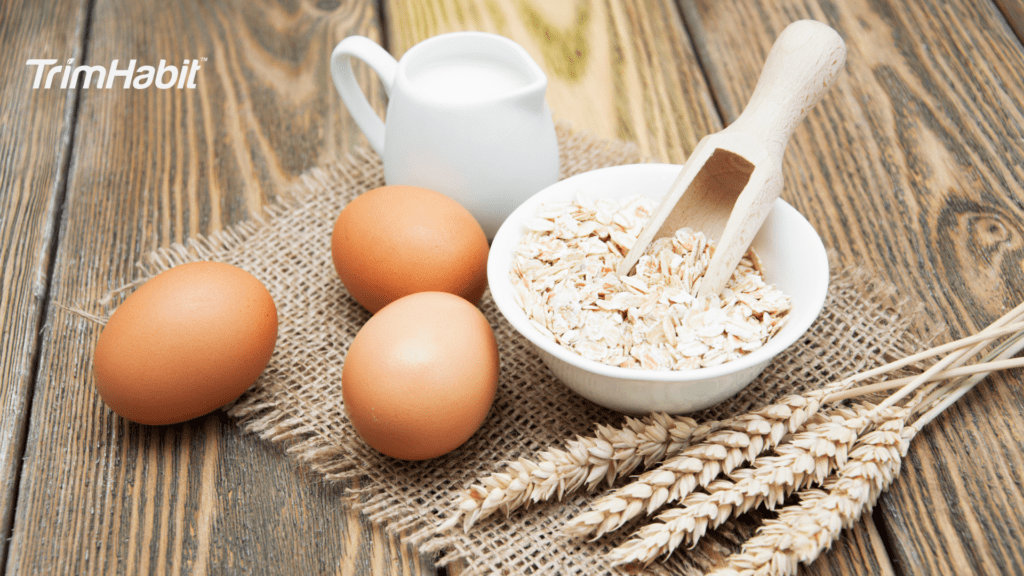
In the grand arena of morning meals, two titans stand tall, revered for their nutritional prowess and their undeniable ability to kickstart the day. On one side, we have the humble oat, a grain steeped in tradition, offering comfort and sustained energy. On the other, the versatile egg, a powerhouse of protein and essential nutrients, championed by athletes and dieters alike. For those embarking on the often-challenging journey of weight loss, the question isn’t merely about taste or convenience; it’s a strategic query: Which breakfast truly wins the weight loss battle?
This isn’t a simple fight to the finish line, a clear knockout between contenders. Instead, it’s a nuanced exploration into the very mechanisms by which food impacts our bodies, our hunger, and ultimately, our ability to shed unwanted pounds. For the knowledgeable individual, understanding these intricacies is paramount to crafting a sustainable and effective weight loss strategy. So, let us delve deep into the nutritional profiles, metabolic impacts, and practical applications of oats and eggs, uncovering the truths that lie beneath their celebrated reputations.
The Contender: Oats – The Hearty Harbinger of Sustained Energy
Oats, scientifically known as Avena sativa, have been a dietary staple for millennia, celebrated for their robust nutritional profile. Far from being just a simple carbohydrate, oats are a complex matrix of beneficial compounds that contribute significantly to overall health and, crucially, to weight management.
Nutritional Profile: Beyond Basic Carbs
At first glance, oats might appear carb-heavy, a potential red flag for some dieters. However, a closer inspection reveals a different story:
- Complex Carbohydrates: The bulk of oat calories come from complex carbohydrates, meaning they are digested slowly, providing a steady release of glucose into the bloodstream. This prevents the sharp spikes and subsequent crashes in blood sugar that often lead to cravings and overeating.
- Fiber Powerhouse: The true magic of oats, particularly in the context of weight management, lies in their exceptional fiber content, a blend of both soluble and insoluble varieties. It is the soluble fiber, specifically beta-glucan, that often steals the spotlight.
- Beta-glucan: This unique soluble fiber forms a gel-like substance when mixed with water in the digestive tract. This gel slows down gastric emptying, prolonging the feeling of fullness and delaying hunger. It also plays a significant role in lowering LDL ("bad") cholesterol and stabilizing blood sugar levels.
- Insoluble Fiber: While not forming a gel, insoluble fiber adds bulk to stool, promoting regularity and contributing to a healthy digestive system, which is indirectly beneficial for metabolic health.
- Micronutrient Bounty: Oats are a surprisingly rich source of essential vitamins and minerals. They provide significant amounts of manganese, phosphorus, magnesium, copper, iron, zinc, and B vitamins (especially B1 and B5). These micronutrients are vital co-factors in countless metabolic processes, including energy production and hormone regulation, all of which indirectly support a healthy weight.
- Antioxidants: Oats contain unique antioxidants called avenanthramides, which have anti-inflammatory properties and may help protect against heart disease. While not directly linked to weight loss, reducing systemic inflammation is often a positive factor in overall health and metabolic function.
- Plant-Based Protein: While not as protein-dense as eggs, oats do offer a respectable amount of plant-based protein (around 11-17% of dry weight), contributing to satiety and muscle maintenance, especially when paired with other protein sources.
Mechanisms for Weight Loss: The Oat Advantage
How do these nutritional components translate into tangible benefits for someone aiming to lose weight?
- Satiety and Fullness: This is perhaps the most celebrated benefit of oats. The combination of soluble fiber (beta-glucan) and complex carbohydrates creates a powerful sensation of fullness. The gel formed by beta-glucan expands in the stomach, physically occupying space and sending signals of satiety to the brain. This prolonged feeling of fullness means you’re less likely to snack between meals, naturally reducing overall caloric intake.
- Blood Sugar Regulation: By slowing down the absorption of glucose, oats help maintain stable blood sugar levels. This is crucial for weight loss because erratic blood sugar can trigger insulin spikes, which promote fat storage, and subsequent crashes, which lead to intense cravings for sugary, high-calorie foods. A steady supply of energy also prevents energy slumps, keeping you more active and less prone to reaching for quick fixes.
- Gut Health and Microbiome Support: The soluble fiber in oats acts as a prebiotic, feeding beneficial bacteria in the gut. A healthy gut microbiome is increasingly recognized as a key player in weight management, influencing metabolism, inflammation, and even appetite regulation. A thriving gut can enhance nutrient absorption and potentially improve insulin sensitivity. The fermentation of fiber by gut bacteria also produces short-chain fatty acids (SCFAs) like butyrate, which have been shown to have anti-inflammatory effects and potentially influence satiety.
- Calorie Density and Volume: When prepared with water, oats absorb a significant amount of liquid, expanding in volume. This means a relatively small amount of dry oats can create a substantial, filling meal for a moderate calorie count. This high volume-to-calorie ratio is a classic strategy for weight loss, allowing you to feel satisfied without overconsuming calories.
Potential Pitfalls & Optimizing Oats
While oats are a weight-loss ally, their efficacy can be undermined by preparation methods:
- The Sugar Trap: Instant oatmeal packets loaded with added sugars, or generous dollops of brown sugar, syrup, and honey, can quickly transform a healthy meal into a calorie and sugar bomb, negating its blood sugar stabilizing benefits.




Post Comment