The Golden Grains: A Deep Dive into the 7-Day Oatmeal Challenge and Its Transformative Impact on the Human Body
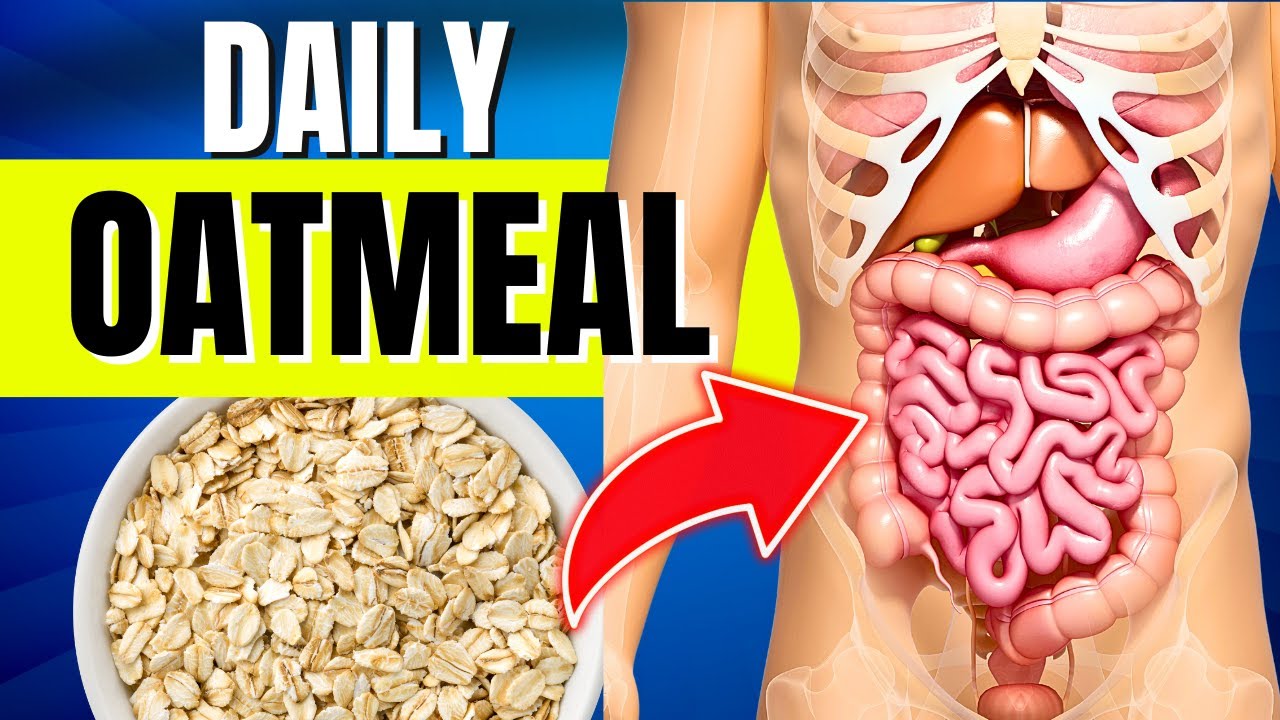
In an era saturated with fleeting wellness trends and complex dietary regimens, there’s a quiet, unassuming hero that often gets overlooked: the humble oat. For centuries, this resilient grain has sustained civilizations, yet in our modern pursuit of optimal health, its profound capabilities are frequently underestimated. The "7-Day Oatmeal Challenge" isn’t a fad diet; it’s an invitation to rediscover a nutritional powerhouse, a structured experiment to observe the tangible, scientifically-backed changes that occur when you commit to starting each morning with a bowl of oats.
For the discerning individual, one who seeks not just quick fixes but a deeper understanding of their body’s intricate biochemistry, this challenge offers a unique lens. This isn’t merely about weight loss or a temporary detox; it’s a journey into the heart of sustained energy, gut health, cardiovascular resilience, and metabolic balance. Over the course of seven days, we will embark on a detailed exploration, charting the physiological narrative that unfolds within, from the initial whispers of a happier gut to the systemic symphony of a body operating with enhanced efficiency. Prepare to delve beyond the surface, to uncover the science behind the spoon, and to understand precisely what happens when you empower your body with the consistent goodness of oats. This is the story of a week, a grain, and the remarkable transformation within.
Chapter 1: The Nutritional Powerhouse – Deconstructing Oats (Avena Sativa)
Before we even begin our seven-day journey, it’s imperative to truly understand the protagonist of our story: Avena sativa, commonly known as the oat. Far from being a simple breakfast cereal, oats are a whole grain packed with a complex matrix of macronutrients, micronutrients, and unique bioactive compounds that position them as a cornerstone of a healthy diet.
At its core, an oat grain is a nutritional marvel. Approximately 66% of its dry weight is composed of complex carbohydrates, primarily starches, which are crucial for sustained energy release. Unlike refined carbohydrates that cause rapid blood sugar spikes, the carbohydrates in oats are digested slowly, providing a steady supply of glucose to the brain and muscles. This slow release is largely thanks to its impressive fiber content, which makes up about 10-17% of its dry weight.
The protein content in oats is also noteworthy, typically ranging from 11-17%, making it higher than most other cereal grains. This plant-based protein contributes to satiety and muscle repair. While not a complete protein on its own, it complements other dietary proteins and offers a valuable amino acid profile. Healthy fats, predominantly unsaturated fatty acids, constitute around 5-9% of oats, providing essential fatty acids and contributing to the grain’s energy density.
Beyond the macros, oats are a treasure trove of micronutrients. They are exceptionally rich in manganese, a trace mineral vital for bone formation, metabolism, and antioxidant defense. You’ll also find substantial amounts of phosphorus, magnesium, copper, iron, and zinc, all playing critical roles in energy production, nerve function, immune health, and red blood cell formation. B vitamins, particularly thiamine (B1) and folate, further support cellular metabolism and DNA synthesis.
However, the true star of the oat, and the lynchpin for many of the benefits we’ll explore, is beta-glucan. This highly viscous, soluble fiber is unique to oats (and barley) and is responsible for its cholesterol-lowering and blood sugar-regulating properties. When beta-glucan comes into contact with water in the digestive tract, it forms a thick, gel-like substance. This gel is the mechanism behind its remarkable effects, which we will delve into in subsequent chapters.
In addition to beta-glucan, oats also contain insoluble fiber, which adds bulk to stool and aids in digestive regularity. But the goodness doesn’t stop there. Oats are also packed with powerful antioxidants, most notably avenanthramides. These phenolic compounds are almost exclusively found in oats and possess strong anti-inflammatory and anti-itch properties, providing an additional layer of protection against oxidative stress and chronic disease.
It’s also worth noting the subtle differences between oat types. Steel-cut oats (Irish or Scottish oats) are whole oat groats that have been cut into two or three pieces, offering a chewier texture and slower digestion due due to their larger surface area. Rolled oats (old-fashioned oats) are steamed and then flattened, making them quicker to cook and slightly easier to digest. Instant oats are precooked, dried, and then rolled very thin, resulting in the fastest cooking time but often with a slightly higher glycemic index and sometimes added sugars/flavorings. While all forms offer significant benefits, steel-cut and rolled oats generally retain more of their structural integrity and are preferred for maximum health impact due to their more gradual release of sugars. Understanding these nuances allows the knowledgeable participant to choose the optimal form for their challenge.
With this foundational understanding of the oat’s rich composition, we are now ready to embark on our seven-day journey, observing how these individual components orchestrate a symphony of positive changes within the human body.
Chapter 2: Day 1-2: The Initial Adaptation – Gut & Energy
The first 48 hours of the 7-Day Oatmeal Challenge mark a period of initial adaptation. For many, this is where the most immediate and noticeable changes begin to manifest, particularly concerning gut function and energy levels. The body, accustomed to its usual breakfast routine, starts to recalibrate in response to this new, fiber-rich input.
The Fiber Shock: A Gut Awakening
The most prominent player in these initial days is fiber. For individuals whose diets are typically low in fiber, the sudden increase from daily oatmeal can be quite a "shock" to the digestive system. Oats, particularly steel-cut or old-fashioned, deliver a substantial dose of both soluble and insoluble fiber.
- Insoluble fiber acts like a broom, adding bulk to stool and stimulating bowel movements. For those prone to constipation, this can result in an almost immediate improvement in regularity.
- Soluble fiber, specifically beta-glucan, absorbs water and forms a gel. This gel helps to soften stool and facilitate its passage, further contributing to smoother digestion.
However, this rapid increase in fiber can also lead to some temporary discomfort for a minority of individuals. Mild bloating, gas, or even a slight change in stool consistency are not uncommon as the gut microbiome – the trillions of bacteria residing in our intestines – begins to adjust to this new substrate. These bacteria feast on the fiber (acting as a prebiotic), producing gases as a byproduct. This is a sign that the beneficial bacteria are becoming more active and multiplying, a positive long-term development, but one that can cause short-term sensations. It underscores the importance of adequate hydration during this period, as fiber needs water to work effectively and prevent excessive hardening of stools.
Sustained Energy: Bidding Farewell to the Mid-Morning Slump
Perhaps one of the most welcome changes experienced in the first two days is the noticeable stabilization of energy levels. Many common breakfast choices – sugary cereals, pastries, refined toast – are high in simple carbohydrates that lead to a rapid spike in blood glucose, followed by an inevitable crash as insulin works to bring levels down. This "sugar roller coaster" often results in the dreaded mid-morning energy slump, brain fog, and renewed cravings.
Oatmeal, conversely, is a master of sustained energy. Its complex carbohydrates, encased within the fibrous matrix, are digested much more slowly. The beta-glucan further contributes to this by forming a viscous gel in the stomach, physically slowing down the rate at which glucose enters the bloodstream. This leads to a lower and more gradual rise in blood sugar, preventing the dramatic peaks and troughs. The result is a steady supply of glucose to the brain and muscles, providing consistent energy that lasts well into the late morning or even early afternoon. This stable blood sugar profile directly translates to improved focus, reduced irritability, and a greater capacity for cognitive tasks.
Satiety: The Power of Feeling Full
Coupled with stable energy is a profound sense of satiety. The combination of soluble fiber absorbing water and expanding in the stomach, along with the protein content of oats, sends powerful signals of fullness to the brain. This sustained satiety is a game-changer for appetite control. The urge to snack between meals diminishes significantly, not because of willpower alone, but because the physiological signals of hunger are genuinely suppressed. This naturally leads to a reduction in overall calorie intake throughout the day, without feeling deprived.
Mental Clarity: Fueling the Brain
The brain, a highly energy-demanding organ, thrives on a consistent supply of glucose. The stable blood sugar provided by oatmeal means the brain isn’t subject to the erratic fluctuations that impair concentration and cognitive function. Participants often report feeling more alert, focused, and mentally sharp throughout the morning, a direct consequence of this steady energy delivery.
In essence, Day 1 and 2 are about the body’s initial negotiation with a nutrient-dense, fiber-rich food. While some might experience minor digestive adjustments, the overwhelming feedback is one of improved regularity, stable energy, profound satiety, and enhanced mental clarity. These early shifts lay the crucial groundwork for the deeper metabolic transformations that are yet to come.




Post Comment