Is Your Breakfast Aging You? Why Oats are the Ultimate Longevity Food
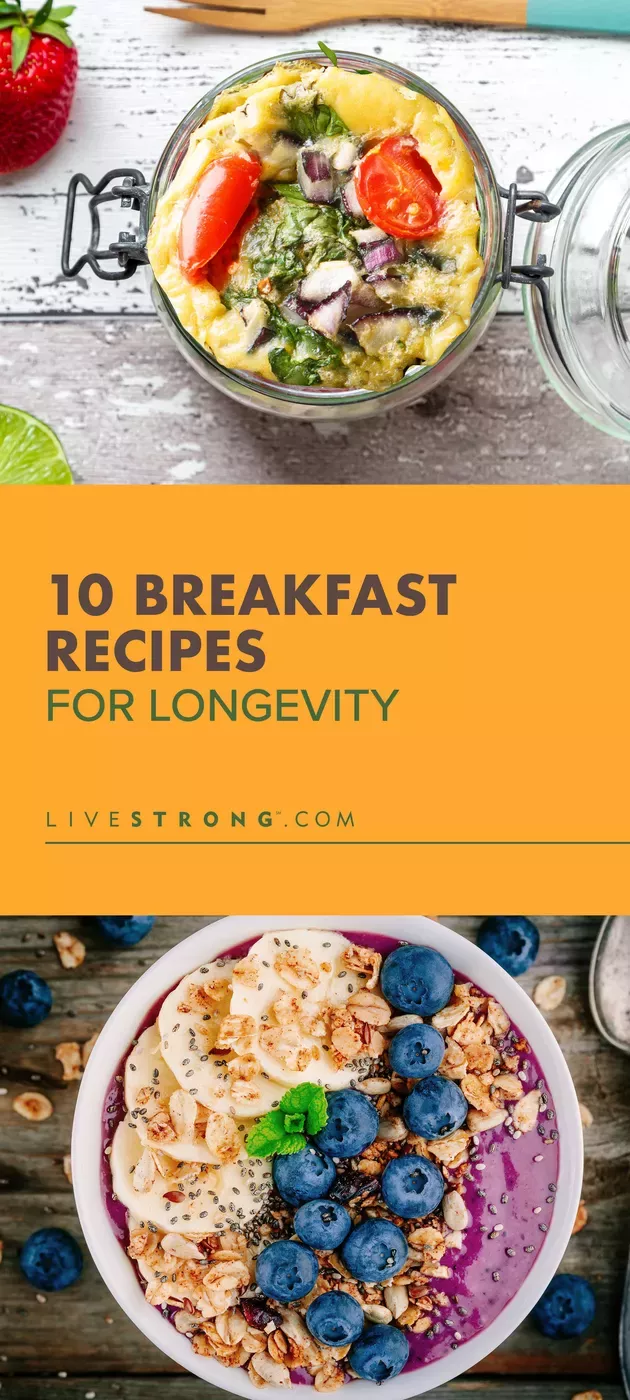
The aroma of freshly brewed coffee and the promise of a new day often begin with breakfast. For many, it’s a hurried affair: a sugary cereal, a processed pastry, or perhaps a quick, nutrient-devoid smoothie. We grab, we gulp, and we rush, rarely pausing to consider the profound impact this foundational meal has on our long-term health, our vitality, and indeed, our very aging process. What if this seemingly innocuous morning ritual, repeated thousands of times over a lifetime, is subtly accelerating the hands of our biological clock? And what if the secret to slowing that clock, to fostering true longevity, lies in one of the most ancient, humble, and often overlooked grains?
This is a story not just about food, but about the intricate dance between our daily choices and the molecular processes that dictate how we age. It’s a story of modern convenience versus ancestral wisdom, and how a simple bowl of oats can transform from a mere meal into a powerful strategy for a longer, healthier life.
The Unseen Hand of Time: How Your Breakfast Can Accelerate Aging
To understand why oats are so crucial, we must first confront the silent antagonists lurking in many contemporary breakfast choices. Our bodies are remarkably resilient, but they are also cumulative. Every meal sends a cascade of signals, triggers hormonal responses, and influences cellular health. When these signals are consistently detrimental, they begin to etch themselves onto our biological blueprint, manifesting as accelerated aging.
Consider the typical modern breakfast: refined carbohydrates, excessive sugars, and often a dearth of fiber and essential nutrients. This dietary pattern sets off a chain reaction that directly contributes to the hallmarks of aging:
-
The Sugar Rollercoaster and Glycation (AGEs): A high-sugar, low-fiber breakfast sends blood glucose levels soaring. The pancreas rushes to produce insulin, often leading to a subsequent crash, leaving us feeling sluggish and craving more sugar. This constant fluctuation isn’t just about energy; it’s about chemistry. Elevated blood sugar promotes a process called glycation, where sugar molecules bind to proteins and fats, forming Advanced Glycation End products (AGEs). AGEs are insidious. They accumulate in tissues, stiffening collagen, damaging blood vessels, and contributing to wrinkles, cataracts, neurodegenerative diseases, and cardiovascular issues. They are, quite literally, aging us from the inside out.
-
The Inflammatory Cascade: Many processed breakfast foods are laden with unhealthy fats, artificial ingredients, and refined sugars – all potent inflammatory triggers. Chronic low-grade inflammation, often dubbed "inflammaging," is a cornerstone of virtually every age-related disease, from atherosclerosis and type 2 diabetes to arthritis and certain cancers. It damages cells, impairs tissue repair, and exhausts the immune system, accelerating cellular senescence (the state where cells stop dividing but refuse to die, instead secreting pro-inflammatory compounds).
-
Oxidative Stress: The Rusting of Our Cells: Our bodies constantly produce free radicals as a byproduct of metabolism. Antioxidants neutralize these damaging molecules. However, diets rich in processed foods and poor in antioxidant-rich fruits and vegetables can tip the balance, leading to oxidative stress. This "rusting" of our cells damages DNA, proteins, and lipids, impairing cellular function and contributing to cellular aging, telomere shortening, and an increased risk of chronic diseases.
-
Gut Dysbiosis: The Unseen Architect of Health (and Aging): The gut microbiome, our internal ecosystem of trillions of microorganisms, plays a pivotal role in everything from nutrient absorption and immune function to mood and metabolism. Many conventional breakfast choices, devoid of fiber and rich in processed ingredients, starve beneficial gut bacteria while feeding pathogenic ones. This imbalance, known as dysbiosis, leads to a leaky gut, increased systemic inflammation, impaired nutrient absorption, and a weakened immune system – all factors that accelerate aging and contribute to age-related pathologies.
The cumulative effect of these daily dietary assaults is a body that ages faster, feels less vibrant, and is more susceptible to the diseases commonly associated with "getting old." But what if there was a simple, accessible food that could not only mitigate these effects but actively reverse some of the damage and promote robust longevity?
The Humble Hero: Oats Step Into the Limelight
Enter oats. For centuries, this unassuming grain has nourished civilizations, offering sustenance and resilience. Yet, in our quest for novelty and convenience, we often overlook its profound power. Oats are not merely a carbohydrate source; they are a nutritional powerhouse, a biochemical symphony meticulously composed by nature to support health and combat the very mechanisms of aging we’ve just discussed.
The story of oats as a longevity food isn’t a new-age fad; it’s rooted in deep science and validated by epidemiological studies and countless human trials. Its magic lies in its unique composition, a synergy of soluble fiber, potent antioxidants, and a wealth of micronutrients that work in concert to safeguard our health.
The Science of Oats: A Masterclass in Longevity
To truly appreciate oats, we must delve into their molecular makeup and understand how each component contributes to their anti-aging prowess.
1. Beta-Glucan: The Unsung Hero of Soluble Fiber
The undisputed star of the oat show is beta-glucan. This unique form of soluble fiber is responsible for many of oats’ most celebrated health benefits. When beta-glucan encounters water in the digestive tract, it forms a viscous, gel-like substance. This simple physical property unleashes a cascade of profound physiological effects:


Post Comment