Fueling the Brain: The Connection Between Coconut Milk and Cognitive Function
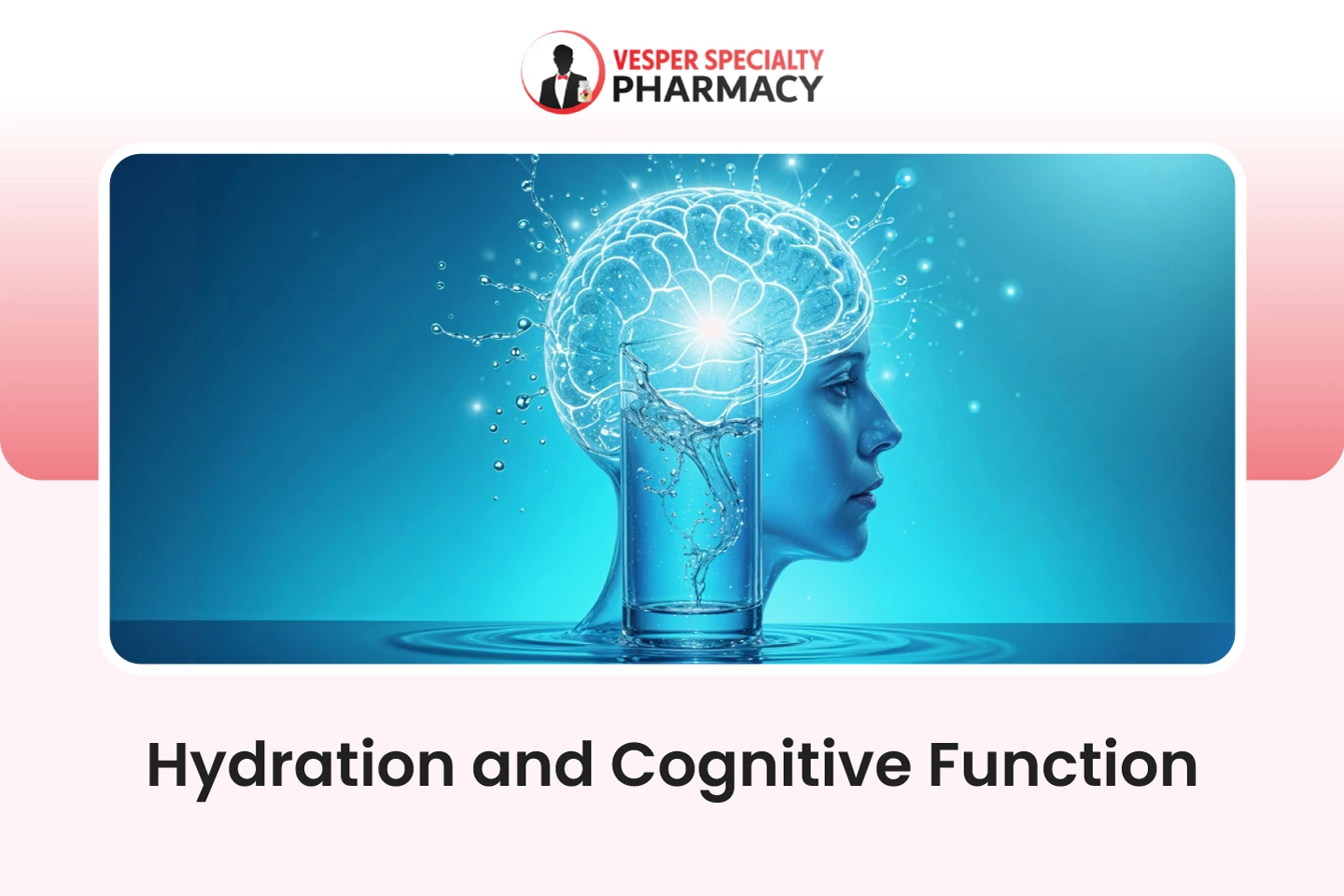
The human brain, an intricate tapestry of billions of neurons, is the command center of our existence, responsible for everything from our deepest thoughts and emotions to the most basic bodily functions. Despite making up only about 2% of our body weight, it consumes an astonishing 20-25% of our daily energy intake. This insatiable hunger for fuel underscores the profound connection between what we consume and how effectively our brain performs. In a world increasingly demanding peak cognitive performance, the quest for optimal brain fuel has become a central theme in nutrition science and personal well-being.
For decades, glucose, derived primarily from carbohydrates, has been lauded as the brain’s exclusive and preferred energy source. However, a growing body of research, coupled with traditional wisdom, is challenging this singular narrative. The modern diet, often laden with refined sugars and processed foods, can lead to metabolic inflexibility, where the brain struggles to efficiently utilize glucose, resulting in symptoms like "brain fog," fatigue, and even contributing to neurodegenerative processes. This has opened the door to exploring alternative, more sustainable energy pathways for the brain – a story that often leads us to an unexpected, yet profoundly beneficial, ancient food: coconut milk.
Beyond its creamy texture and exotic flavor, coconut milk is emerging as a powerful ally in the pursuit of enhanced cognitive function. This isn’t just about a simple beverage; it’s about a complex interplay of specific fatty acids, primarily Medium-Chain Triglycerides (MCTs), that offer the brain a distinct metabolic advantage. Our journey into "Fueling the Brain" with coconut milk is a narrative of metabolic innovation, neuroprotection, and the harmonious blend of tradition and cutting-edge science, all aimed at unlocking our brain’s full potential.
Decoding the Brain’s Energy Needs: Beyond the Glucose Monoculture
To truly appreciate the unique contribution of coconut milk, we must first understand the intricacies of the brain’s energy demands. Traditionally, glucose has been presented as the brain’s sole and indispensable fuel. Under normal conditions, glucose is indeed rapidly transported across the blood-brain barrier (BBB) and metabolized by neurons and glial cells to produce ATP, the cellular energy currency. This system works efficiently when glucose supply is stable and insulin sensitivity is optimal.
However, the modern human condition often presents challenges to this glucose-centric model. Chronic stress, sedentary lifestyles, and diets high in refined carbohydrates can lead to insulin resistance, a state where cells, including those in the brain, become less responsive to insulin. This can result in impaired glucose uptake and utilization in specific brain regions, a phenomenon observed even in the early stages of neurodegenerative diseases like Alzheimer’s, often referred to as "brain insulin resistance" or "type 3 diabetes." When the brain’s primary fuel source becomes compromised, cognitive function inevitably suffers, manifesting as memory lapses, difficulty concentrating, and reduced mental clarity.
This metabolic bottleneck has spurred interest in alternative fuel sources, particularly ketone bodies. Ketones – primarily beta-hydroxybutyrate (BHB), acetoacetate, and acetone – are produced in the liver from fatty acids during periods of low carbohydrate intake, fasting, or intense exercise. Unlike most other fatty acids, ketones can readily cross the blood-brain barrier and be utilized by neurons for energy. In fact, under certain circumstances, the brain can derive up to 70% of its energy from ketones.
The shift to ketone metabolism offers several advantages:
- Metabolic Flexibility: Ketones provide an alternative energy pathway when glucose metabolism is impaired, effectively bypassing insulin resistance issues in the brain.
- Sustained Energy: Ketone metabolism is often associated with more stable energy levels, avoiding the peaks and troughs of blood sugar fluctuations that can lead to "crashes" and fatigue.
- Neuroprotective Effects: Emerging research suggests ketones possess intrinsic neuroprotective properties, contributing to reduced inflammation, enhanced mitochondrial function, and antioxidant defense within the brain.
This understanding of ketones as a potent, alternative brain fuel is where the story of coconut milk truly begins to shine.
The Coconut Milk Revelation: A Powerhouse of Medium-Chain Triglycerides (MCTs)
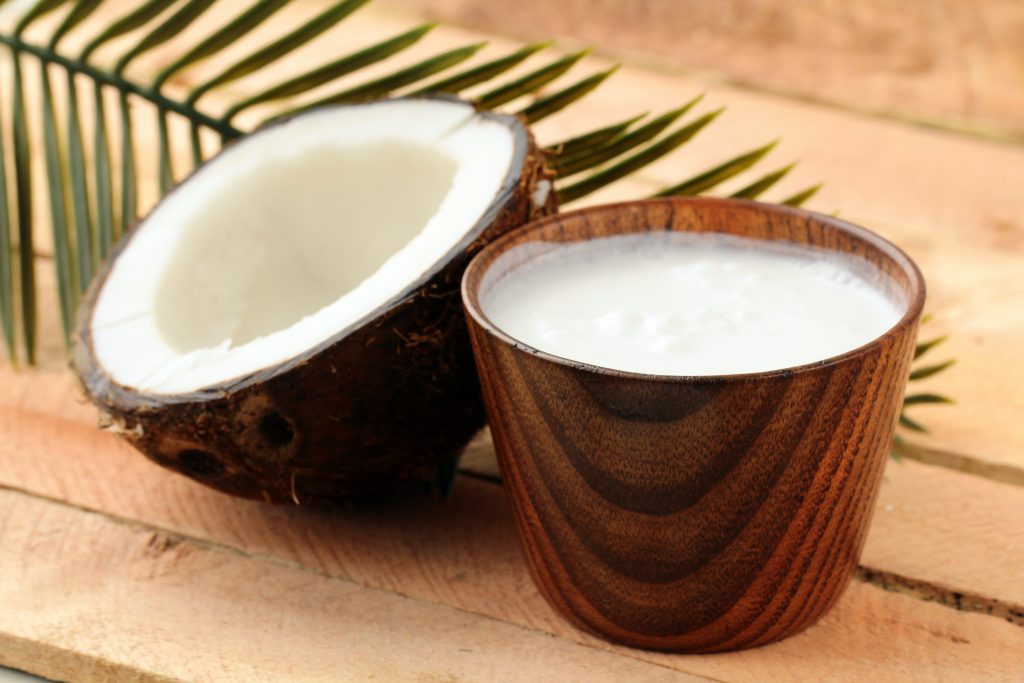
Coconut milk, a staple in many tropical and subtropical cuisines for centuries, is extracted from the grated flesh of mature coconuts. Beyond its culinary versatility, its nutritional profile is what makes it a cognitive game-changer. While it contains a range of vitamins, minerals, and some dietary fiber, its true star is its unique fat composition, predominantly saturated fats. For years, this led to its demonization in Western dietary guidelines, conflated with the saturated fats found in animal products that are often linked to cardiovascular disease. However, the scientific understanding of dietary fats has evolved dramatically, revealing crucial distinctions.
The saturated fats in coconut milk are largely composed of Medium-Chain Triglycerides (MCTs). Unlike Long-Chain Triglycerides (LCTs), which constitute the majority of fats in our diet (e.g., olive oil, butter, most animal fats), MCTs have a shorter carbon chain length (6 to 12 carbon atoms). This seemingly small structural difference translates into a profound metabolic distinction.
The primary MCTs found in coconut milk, in varying proportions, include:
- Lauric Acid (C12): The most abundant MCT in coconut milk, comprising about 50% of its fatty acid profile. While technically an MCT, its metabolic pathway is somewhat of a hybrid, behaving more like an LCT in some respects, but still possessing beneficial properties.
- Capric Acid (C10): A shorter chain MCT, known for its rapid conversion to ketones.
- Caprylic Acid (C8): The shortest and most rapidly metabolized MCT, often considered the most efficient ketone producer.
The unique metabolic pathway of MCTs (particularly C8 and C10) sets them apart:
- Direct Absorption: Unlike LCTs, which require bile salts for emulsification and packaging into chylomicrons for transport through the lymphatic system, MCTs are directly absorbed from the gut into the portal vein.
- Rapid Liver Transport: They travel directly to the liver without requiring carnitine for transport into mitochondria (a rate-limiting step for LCTs).
- Efficient Ketone Production: In the liver, MCTs are rapidly converted into ketone bodies. This process is significantly faster and more efficient than the conversion of LCTs, making MCTs a direct and readily available source of ketone fuel.



Post Comment