The Emerald Jewel of Plant-Based Living: Why Coconut Milk is a Non-Negotiable Must-Have
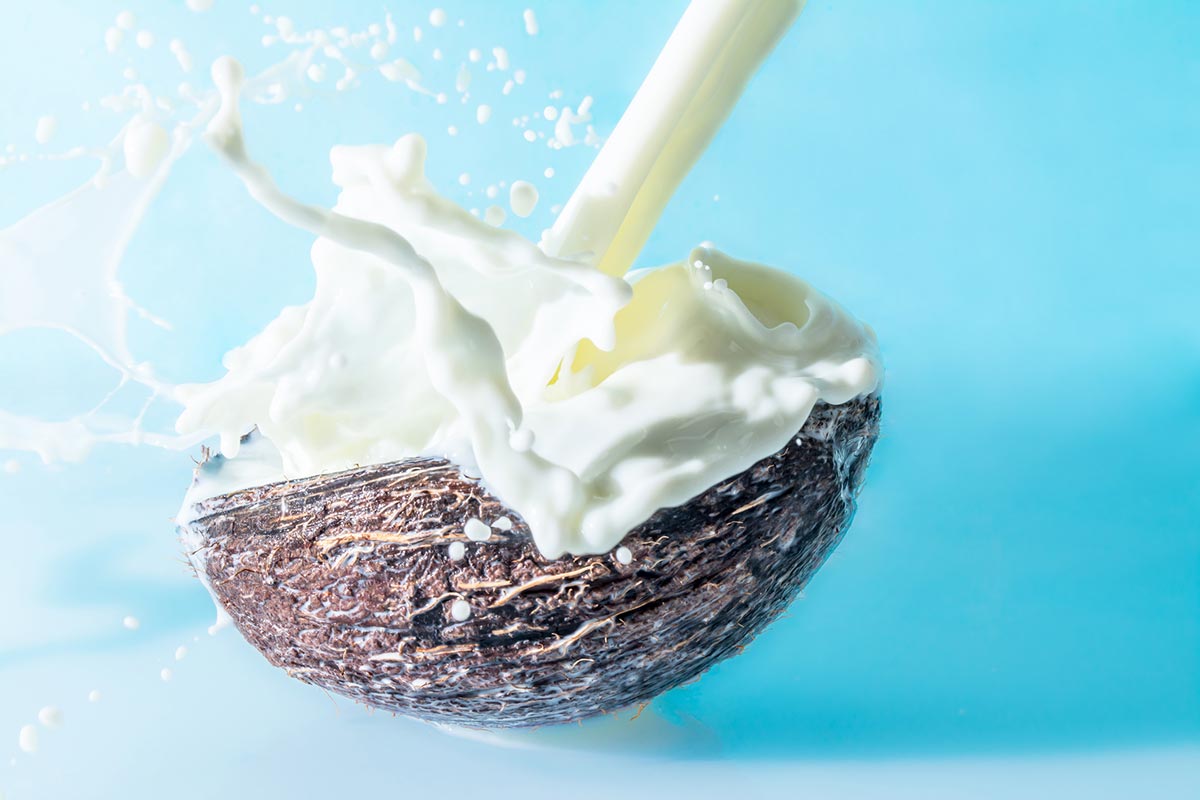
In the vibrant, ever-evolving tapestry of plant-based living, certain ingredients emerge as true cornerstones, silently supporting, enriching, and transforming the culinary landscape. Among these, shimmering with versatility and imbued with an undeniable tropical allure, stands coconut milk. Far from being a mere dairy alternative, coconut milk is a singular force, a culinary chameleon that offers depth, richness, and an unparalleled sensory experience, making it not just a desirable component, but a non-negotiable must-have for anyone navigating the plant-forward path.
To understand its indispensable nature is to embark on a journey, tracing its roots from ancient traditions to its contemporary status as a global plant-based staple. It’s a story of flavor, nutrition, versatility, and the quiet revolution it has spurred in kitchens worldwide.
A Culinary Canvas of Infinite Possibilities
The most immediate and perhaps the most celebrated attribute of coconut milk is its extraordinary culinary versatility. Unlike many plant-based milks that excel in specific applications (oat milk for lattes, almond milk for cereal), coconut milk possesses a rare ability to transcend categories, equally at home in a fiery curry as it is in a delicate dessert. It is, quite simply, a blank canvas awaiting the artist’s brush, or rather, the chef’s spoon.
1. The Savory Symphony: Depth, Body, and Unctuousness
For many, the first encounter with coconut milk’s magic is in savory dishes, particularly those hailing from Southeast Asia, India, and the Caribbean. Here, it’s not just an ingredient; it’s the very soul of the dish.
- Curries and Stews: From the creamy, aromatic Thai Green Curry, vibrant with basil and lime, to the robust and comforting Indian Korma, or the spicy, hearty Caribbean Stew, coconut milk provides the essential liquid medium, creating a luscious sauce that clings to every ingredient. Its richness mellows the spices, creating a harmonious balance, while its inherent sweetness rounds out the flavor profile. It imparts a body and mouthfeel that is remarkably similar to traditional dairy creams, yet with its own distinct, earthy warmth.
- Soups: Imagine a steaming bowl of Vietnamese Pho, its broth subtly enriched, or a fragrant Tom Kha Gai (Thai Coconut Chicken Soup, easily veganized) where coconut milk is the star, lending its silken texture and exotic perfume. Even simpler vegetable soups can be elevated from humble to extraordinary with a swirl of full-fat coconut milk, transforming them into creamy, satisfying meals.
- Sauces and Marinades: Think of a satay sauce, where coconut milk is blended with peanuts, spices, and tamarind to create a dipping delight. Or a marinade for tofu or tempeh, where its fats help tenderize and infuse flavor, preparing the protein for grilling or frying. It also forms the base for creamy pasta sauces, replacing dairy cream with a surprisingly similar viscosity and flavor-carrying capacity.
- Rice Dishes: From a simple coconut rice, where grains are cooked directly in coconut milk for a subtly sweet and fragrant accompaniment, to more elaborate biryanis and pilafs, coconut milk adds an unparalleled richness and aroma, transforming a staple grain into a dish of distinction.
In these savory applications, coconut milk doesn’t merely add moisture; it builds a foundation of flavor, binding disparate elements into a cohesive and deeply satisfying culinary experience. It provides the crucial "umami" and "fat" sensation that can sometimes be challenging to replicate in purely plant-based cooking, ensuring dishes are hearty, comforting, and utterly delicious.
2. The Sweet Serenade: Velvety Textures and Delicate Aromas
While its savory prowess is undeniable, coconut milk truly shines in the realm of desserts and sweet treats, where its natural sweetness and remarkable creaminess come to the fore.
- Ice Creams and Sorbets: For many, the discovery of coconut milk-based ice cream is a revelation. It churns into an incredibly smooth, scoopable texture that rivals its dairy counterparts, without the use of artificial stabilizers. From classic vanilla bean to exotic mango or chocolate, coconut milk provides the perfect fatty base for creating rich, indulgent frozen desserts.
- Puddings and Custards: Chia seed puddings, tapioca puddings, or even traditional rice puddings are transformed by coconut milk into velvety, comforting creations. It lends itself beautifully to making vegan panna cotta, where its natural setting properties (when chilled) allow for a wobbly, elegant dessert.
- Baked Goods: In cakes, muffins, and quick breads, coconut milk can replace dairy milk or cream, adding moisture and a delicate, tropical fragrance. It can also be reduced and used to create glazes or frostings that are rich, shiny, and utterly delectable.
- Drinks and Smoothies: Beyond cooking, coconut milk is a superstar in beverages. It adds a luxurious creaminess to smoothies, making them more satisfying and nutrient-dense. It’s an excellent base for vegan milkshakes, hot chocolates, and even frothed lattes, offering a rich mouthfeel and a delightful aroma that complements coffee and tea beautifully. Imagine a "golden milk" latte, its turmeric and ginger mellowed by the silken embrace of coconut milk.
In sweet preparations, coconut milk offers a lightness and a distinct flavor profile that elevates desserts beyond mere sweetness, introducing complexity and a touch of the exotic.
The Nutritional Powerhouse: More Than Just Creaminess
Beyond its exceptional culinary attributes, coconut milk boasts a nutritional profile that solidifies its status as a must-have for plant-based living, particularly when considering its unique fatty acid composition.
1. The Magic of MCTs: Fuel for Body and Brain
Perhaps the most significant nutritional contribution of coconut milk comes from its high concentration of Medium-Chain Triglycerides (MCTs). Unlike long-chain fatty acids found in many other foods, MCTs are metabolized differently by the body.
- Rapid Energy Source: MCTs are quickly absorbed and transported directly to the liver, where they can be rapidly converted into energy or ketones. This makes them an immediate and efficient fuel source, less likely to be stored as body fat compared to LCTs. For those on a plant-based diet, ensuring adequate and efficient energy sources is paramount, and coconut milk delivers this in spades.
- Brain Health: Ketones, produced from MCTs, can cross the blood-brain barrier and serve as an alternative fuel source for the brain. Research suggests MCTs may support cognitive function, memory, and focus, offering a sustained mental clarity that avoids the "carb crash" often associated with glucose-based energy.



Post Comment