The Coconut Conundrum: Unraveling the Heart Health Story of Lauric Acid in Coconut Milk
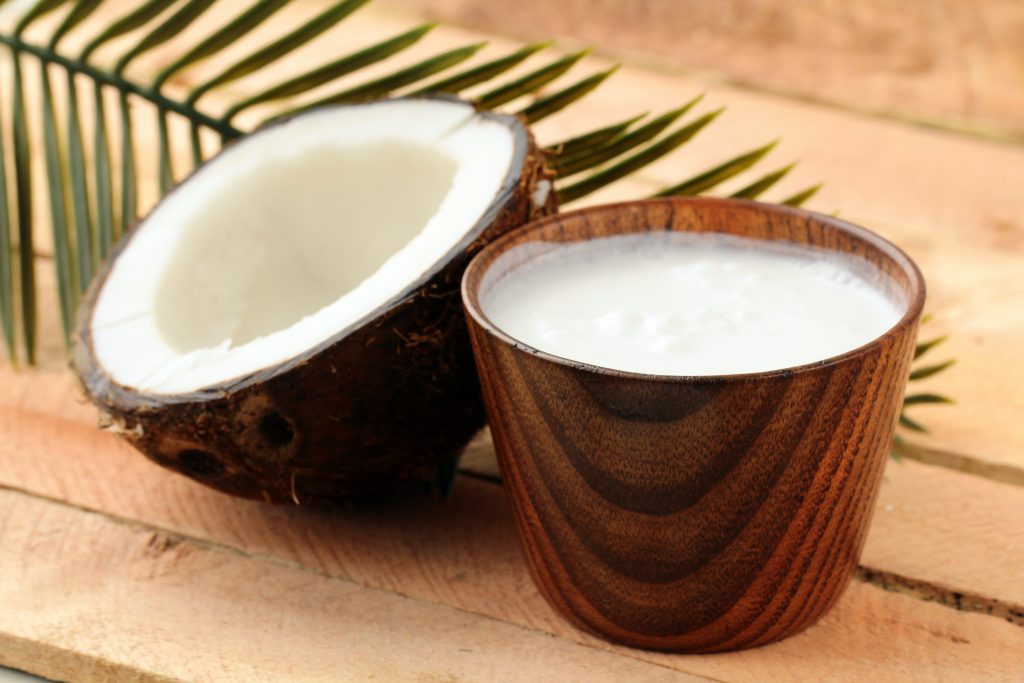
In the vast tapestry of global cuisines and traditional medicines, few ingredients have enjoyed a resurgence quite as dramatic, and quite as contentious, as the humble coconut. From tropical elixirs to the darling of the health food aisle, its milky white essence, extracted from the mature fruit, has become a culinary superstar. Yet, nestled within its creamy embrace lies a paradox that has puzzled nutritionists, delighted health enthusiasts, and confounded the general public: its remarkably high saturated fat content, particularly of a unique molecule called lauric acid.
For decades, saturated fat was a dietary villain, a dietary bogeyman whispered about in the same breath as heart disease. Then, the coconut, with its rich history of nourishing populations in the tropics, entered the Western health consciousness, challenging conventional wisdom. Could this tropical staple, so abundant in saturated fat, actually be good for the heart? Or was it a wolf in sheep’s clothing, masquerading as a health food while quietly contributing to cardiovascular woes?
This is the story we embark upon: a journey into the heart of the coconut, exploring the intricate science of lauric acid, the nuances of dietary fats, and the evolving understanding of what truly constitutes a heart-healthy diet. We will peel back the layers of scientific research, cultural wisdom, and public perception to understand how coconut milk, far from being a simple ingredient, embodies a complex narrative about nutrition, science, and the relentless pursuit of well-being. Our audience, knowledgeable and curious, deserves more than simple pronouncements; they deserve the full, textured story.
The Rise of the Tropical Elixir: Coconut’s Journey from Staple to Superfood
For millennia, the coconut palm (Cocos nucifera) has been revered as the "tree of life" across tropical regions. Its versatile bounty provides food, drink, shelter, fuel, and medicine. Coconut milk, traditionally made by grating the white flesh and pressing it with water, has been a cornerstone of cuisines from Southeast Asia to the Pacific Islands, providing a rich, creamy base for curries, soups, desserts, and beverages. For these communities, heart disease rates have historically been lower than in Western societies, even with diets rich in coconut.
The Western world, however, viewed the coconut with a skeptical eye for much of the 20th century. Its high saturated fat content, particularly in the form of coconut oil, made it an immediate suspect in the burgeoning narrative of heart disease prevention. The "fat-is-bad" and "saturated-fat-is-evil" dogma, which gained significant traction from the 1960s onwards, painted all saturated fats with the same broad, negative brushstroke. Coconut, unfortunately, was caught in this widespread condemnation.
Then came the turning tide. As scientific understanding deepened, and as popular dietary trends began to question established norms, coconut products experienced a dramatic resurgence. Driven by a renewed interest in whole foods, traditional diets, and the perceived benefits of "natural" ingredients, coconut water became a hydration sensation, coconut oil a cooking staple, and coconut milk a dairy-free darling. It was lauded for its unique fatty acid profile, its potential metabolic benefits, and its versatility. But this resurgence also ignited the very debate we seek to explore: how does a food so rich in saturated fat fit into a heart-healthy lifestyle? To answer this, we must first understand fats themselves.
Decoding Dietary Lipids: A Primer on Fats and Their Intricacies
Fats, or lipids, are essential macronutrients, playing vital roles in energy storage, hormone production, nutrient absorption, and cellular structure. But not all fats are created equal. Their chemical structure, particularly the length of their carbon chains and the presence or absence of double bonds, dictates their physical properties and, crucially, their physiological effects within the human body.
We broadly categorize fats into:
- Saturated Fatty Acids (SFAs): These have no double bonds in their carbon chain, meaning they are "saturated" with hydrogen atoms. This structure makes them straight and able to pack tightly together, hence why they are typically solid at room temperature (e.g., butter, lard, coconut oil).
- Unsaturated Fatty Acids: These contain one or more double bonds.
- Monounsaturated Fatty Acids (MUFAs): One double bond (e.g., olive oil, avocado).
- Polyunsaturated Fatty Acids (PUFAs): Two or more double bonds (e.g., sunflower oil, flaxseed oil, fatty fish). PUFAs include the essential omega-3 and omega-6 fatty acids, critical for brain and heart health.
The historical narrative predominantly focused on saturated fats as the primary dietary culprit in raising LDL ("bad") cholesterol and promoting atherosclerosis, the hardening of the arteries. This led to widespread recommendations to drastically reduce SFA intake. However, as research evolved, a more nuanced understanding emerged: the "type" of saturated fat matters. This brings us directly to the star of our story.
Lauric Acid: The Unsung Hero or Silent Antagonist?
Lauric acid (dodecanoic acid, C12:0) is a saturated fatty acid, but it possesses a unique characteristic that sets it apart from many other SFAs found in the Western diet: it is a medium-chain fatty acid (MCFA). While most dietary fats are long-chain fatty acids (LCFAs, with 14 or more carbon atoms), lauric acid has 12 carbons. This seemingly minor difference has profound implications for its metabolism and, consequently, its impact on health.
A Unique Metabolic Pathway:
Most LCFAs, like palmitic acid (C16:0) and stearic acid (C18:0) found in red meat and dairy, are absorbed into the lymphatic system. They are then packaged into chylomicrons and transported throughout the body before reaching the liver. This pathway can contribute to the formation of VLDL (very low-density lipoprotein) cholesterol, a precursor to LDL.
Lauric acid, along with other MCFAs like caprylic (C8:0) and capric (C10:0) acids, follows a different route. Due to their smaller size, they are absorbed directly from the intestine into the portal vein and transported straight to the liver. This bypasses the lymphatic system and the need for bile salts for digestion, making them rapidly available for energy. In the liver, MCFAs are preferentially oxidized for fuel, rather than being stored as fat or incorporated into circulating lipoproteins to the same extent as LCFAs. This metabolic distinction is key to understanding lauric acid’s potential impact on cardiovascular health.
Monolaurin: Beyond Energy:
When lauric acid is ingested, a significant portion of it is converted in the body into monolaurin, a monoglyceride. Monolaurin is not just an energy source; it exhibits potent antimicrobial properties. Research has shown its effectiveness against various bacteria, viruses (including some enveloped viruses), and fungi. While this is not directly related to heart health, the overall immune support and reduction of systemic microbial burden could indirectly contribute to a healthier inflammatory state, which has implications for cardiovascular well-being.
Comparison with Other Saturated Fats:
It is critical to distinguish lauric acid from other SFAs.


Post Comment