The Sweet Deception: Can Switching to Coconut Sugar Truly Help Manage Blood Sugar Spikes?
The Siren Song of Sweetness: A Universal Human Craving
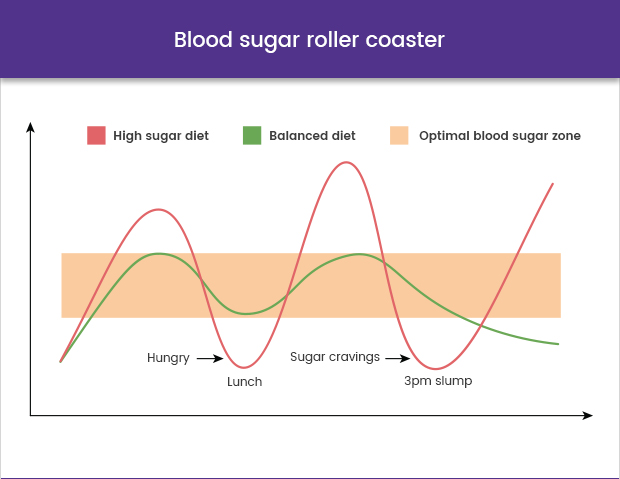
From the first taste of breast milk to the comforting embrace of a dessert, sweetness is woven into the very fabric of human experience. It’s a primal signal, historically associated with ripe fruits and energy-rich foods, crucial for survival in a world of scarcity. Yet, in our modern age of abundance, this innate craving has become a metabolic tightrope walk, often leading to a cascade of health challenges – particularly the insidious rise of blood sugar dysregulation, insulin resistance, and Type 2 Diabetes.
The quest for sweetness without consequence has thus become a central preoccupation for millions. As awareness grows about the detrimental effects of highly refined sugars – the granulated white powder that dominates our pantries and processed foods – a global search for "healthier" alternatives has intensified. Consumers, increasingly savvy and health-conscious, are actively seeking out sweeteners that promise the familiar comfort of sweetness without the metabolic burden, the guilt, or the dreaded blood sugar spike.
Amidst this fervent search, a compelling contender has risen to prominence, whispered about in health food aisles, championed by wellness influencers, and increasingly found in "natural" and "organic" products: coconut sugar. Its very name evokes images of tropical paradises, wholesome ingredients, and ancient traditions. It’s marketed as a "natural," "unrefined," and "sustainable" sweetener, often accompanied by claims of a low Glycemic Index (GI), suggesting a gentler impact on blood glucose levels.
But is coconut sugar truly the metabolic savior it purports to be? Or is it merely another sweet deception, a nutritional Trojan horse cloaked in a halo of health, ultimately delivering the same metabolic payload as its more maligned counterparts? For a knowledgeable audience, accustomed to scrutinizing claims and dissecting scientific literature, the answer demands a deep dive beyond the marketing rhetoric into the intricate biochemistry of sugar, the nuances of glycemic response, and the often-overlooked realities of nutrient composition. This is not just a discussion of a food product; it’s a story of expectation versus reality, of hope versus hard science.
Chapter 1: The Perils of Processed Sweetness – Understanding the Enemy
Before we embark on our investigation of coconut sugar, it’s crucial to establish a baseline understanding of why refined sugars are problematic, particularly in the context of blood sugar management. When we talk about "sugar" in the context of table sugar or high-fructose corn syrup (HFCS), we are primarily referring to two monosaccharides: glucose and fructose, either free or bound together as sucrose.
Glucose is the body’s preferred energy source. Upon ingestion, it enters the bloodstream rapidly, triggering the pancreas to release insulin. Insulin acts as a key, unlocking cells to absorb glucose for immediate energy or to store it as glycogen in the liver and muscles for later use. A healthy system manages this surge efficiently. However, chronic overconsumption of glucose, especially from refined sources, can lead to persistent high blood glucose, overworked pancreatic beta cells, and eventually, insulin resistance, where cells become less responsive to insulin’s signal. This sets the stage for Type 2 Diabetes.
Fructose, while also a sugar, is metabolized differently. Unlike glucose, which can be utilized by almost every cell in the body, fructose is almost exclusively metabolized by the liver. In small amounts, such as those found naturally in whole fruits alongside fiber, this is manageable. But in large, concentrated doses from added sugars, the liver becomes overloaded. It converts excess fructose into triglycerides (fats), contributing to non-alcoholic fatty liver disease (NAFLD), elevated LDL cholesterol, and increased uric acid levels. Critically, fructose does not stimulate insulin release or leptin production (a satiety hormone) in the same way glucose does, meaning it doesn’t signal fullness effectively, potentially driving further consumption.
Refined sugars, stripped of their natural fiber, vitamins, and minerals, deliver a concentrated dose of these monosaccharides, leading to rapid absorption, significant blood sugar spikes, and a heavy metabolic burden on both the pancreas and the liver. This is the metabolic landscape against which any "alternative" sweetener must be judged.
Chapter 2: Enter Coconut Sugar – The Allure and the Claims
Coconut sugar, often referred to as coconut palm sugar, has gracefully entered the health food scene, positioning itself as a superior alternative to traditional sweeteners. Its journey from the sap of the coconut palm ( Cocos nucifera) to our tables is relatively simple, contributing to its "natural" appeal. Harvesters tap the flower buds of the coconut palm, collecting the nutrient-rich sap. This sap is then heated until most of the water evaporates, leaving behind granulated sugar crystals that resemble brown sugar in texture and color.
The allure of coconut sugar stems from several key claims:
- "Natural" and "Unrefined": Unlike highly processed white sugar, which undergoes extensive refining and bleaching, coconut sugar retains some of its original components. This minimal processing is a significant selling point for consumers seeking whole, less-altered foods.
- Mineral Content: Proponents often highlight the presence of minerals like iron, zinc, calcium, and potassium, as well as antioxidants and even a dietary fiber called inulin. These are touted as providing additional nutritional benefits compared to "empty calorie" refined sugars.
- Sustainability: Coconut palms are often praised for their eco-friendliness, yielding sap for sugar production without cutting down trees, and producing more sugar per acre than sugarcane. This resonates with environmentally conscious consumers.
- Low Glycemic Index (GI): This is arguably the most significant claim when it comes to blood sugar management. Coconut sugar is frequently marketed with a GI of 35, placing it in the "low GI" category, similar to many fruits and vegetables. This suggests it causes a slower, more gradual rise in blood glucose compared to table sugar (GI 65) or pure glucose (GI 100). If true, this would be a game-changer for individuals managing diabetes or seeking to stabilize their energy levels.
It is this final claim – the low GI – that warrants the most rigorous scrutiny, as it directly addresses the central question of whether coconut sugar can help manage blood sugar spikes.
Chapter 3: Deconstructing the Glycemic Index – A Deeper Dive
The Glycemic Index (GI) is a numerical ranking system that classifies carbohydrate-containing foods based on their immediate effect on blood glucose levels. Foods are tested by feeding a standardized amount (usually 50 grams of available carbohydrate) to a group of healthy individuals and measuring their blood glucose response over a two-hour period. This response is then compared to a reference food, typically pure glucose or white bread, which is assigned a GI of 100.
- High GI foods (70+): Cause a rapid and significant rise in blood glucose.
- Medium GI foods (56-69): Cause a moderate rise.
- Low GI foods (0-55): Cause a slow and gradual rise.
The concept is valuable, providing a general guide for food choices. However, the GI has well-documented limitations, particularly for a knowledgeable audience:



Post Comment