Liquid Gold: Understanding the Unique Polyphenols Found in Pure Maple Syrup
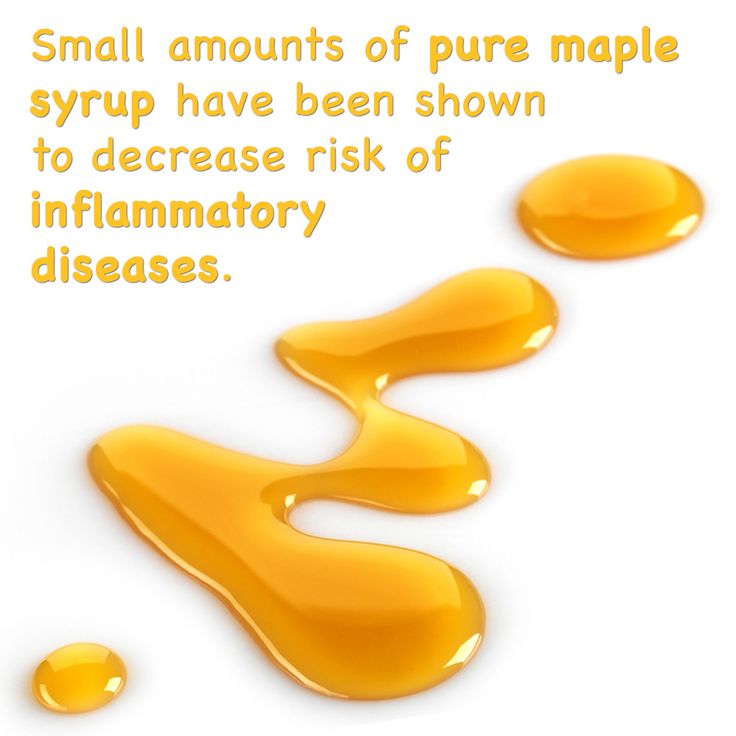
In the vast pantry of nature’s sweeteners, pure maple syrup often shines with a distinct, almost mythic allure. More than just a simple sugar, this viscous elixir, born from the humble sap of the maple tree, has long been revered as "liquid gold." Its rich amber hue, complex caramel notes, and velvety texture have graced breakfast tables and culinary creations for centuries. Yet, beneath this sensory delight lies a profound biochemical complexity, a treasure trove of unique compounds that elevate pure maple syrup from a mere sweetener to a functional food with remarkable health potential. This narrative delves into the intricate world of polyphenols found in pure maple syrup, unveiling the science behind its golden reputation and celebrating the distinct fingerprint that sets it apart.
The Alchemy of the Sap: From Tree to Table
The story of maple syrup begins in the quiet majesty of the North American maple forests, primarily the Sugar Maple (Acer saccharum). As winter relinquishes its grip and the first hints of spring stir, the trees awaken, initiating the remarkable process of sap flow. For a brief, magical window, the sap, a dilute solution of water, sugars (primarily sucrose), and trace minerals, begins to run. Indigenous peoples, and later European settlers, discovered the art of tapping these trees and collecting this precious liquid.
However, the sap itself is not maple syrup. The transformation occurs through a labor-intensive, yet elegant, process of boiling. Collected sap, containing roughly 2-3% sugar, is heated in evaporators, concentrating it until it reaches the characteristic density of maple syrup (66-67% sugar). This seemingly simple act of heating is, in fact, an alchemical marvel, profoundly influencing the syrup’s flavor, color, and, crucially, its biochemical composition.
During this concentration process, water evaporates, but more importantly, the sustained heat triggers a cascade of chemical reactions. Maillard reactions, responsible for the browning and complex flavors in many cooked foods, contribute to maple syrup’s characteristic taste and color. Caramelization of sugars also plays a role. Yet, beyond these well-understood phenomena, the heating process also transforms and concentrates a suite of naturally occurring plant compounds, precursors present in the original sap, into a diverse and distinctive array of polyphenols. This distinction is vital: pure maple syrup’s unique profile is inextricably linked to this natural process, setting it miles apart from artificial "maple-flavored" syrups which are typically high-fructose corn syrup with artificial additives and lack any of the beneficial compounds found in the authentic product. Understanding this origin story is the first step in appreciating the "liquid gold" that truly is.
The Polyphenol Pantheon: A General Overview
Before we delve into the specific marvels of maple syrup, it’s essential to understand what polyphenols are and why they matter. Polyphenols represent a vast family of naturally occurring organic compounds found predominantly in plants. They are secondary metabolites, meaning they are not directly involved in the primary growth and development of the plant, but rather play crucial roles in its defense mechanisms. They protect the plant from UV radiation, pathogens, pests, and oxidative stress.
Structurally, polyphenols are characterized by the presence of multiple phenol units (a hydroxyl group attached to an aromatic hydrocarbon ring). This structural diversity leads to a wide array of classifications, including:
- Flavonoids: The most abundant class, encompassing flavanols (e.g., catechins), flavones, flavonols (e.g., quercetin, kaempferol), isoflavones, anthocyanins (responsible for red, purple, and blue pigments), and flavanones.
- Phenolic Acids: Divided into hydroxybenzoic acids (e.g., gallic acid) and hydroxycinnamic acids (e.g., caffeic acid, ferulic acid, chlorogenic acid).
- Stilbenes: Such as resveratrol, famously found in red wine.
- Lignans: Dimeric compounds derived from phenylpropanoids.
From a human health perspective, polyphenols have garnered immense scientific interest due to their powerful antioxidant, anti-inflammatory, and potentially anti-carcinogenic properties. They combat oxidative stress by neutralizing free radicals, which are implicated in aging and numerous chronic diseases. They can modulate enzyme activity, influence cell signaling pathways, and interact with the gut microbiome, collectively contributing to a spectrum of beneficial physiological effects.
While many plant-based foods – fruits, vegetables, tea, coffee, wine, chocolate – are rich sources of polyphenols, the specific types and combinations vary wildly. It is this unique combination, often synergistic, that confers distinct health attributes to different foods. And it is within this broader context that the unique polyphenol fingerprint of pure maple syrup truly begins to impress.
Unveiling the Unique: Maple Syrup’s Distinctive Polyphenol Fingerprint
What truly sets pure maple syrup apart from other natural sweeteners and even many other polyphenol-rich foods is not just the quantity of these compounds, but the presence of several distinctly novel structures. The research community, particularly over the last two decades, has painstakingly identified and characterized these compounds, revealing a biochemical signature unlike any other.
The Star: Quebecol
Foremost among these unique compounds is Quebecol. Discovered in 2011 by a team led by Dr. Navindra Seeram at the University of Rhode Island, Quebecol is a groundbreaking finding. What makes it so remarkable is its structure: it is a norlignan, a type of lignan that is entirely new to science and has, to date, only been found in pure maple syrup. Its discovery highlights the fact that maple syrup is not merely a collection of common plant compounds, but a source of entirely novel molecules.
Quebecol is believed to form during the boiling process, likely from the thermal degradation and rearrangement of common lignin precursors present in the maple sap, such as coniferyl alcohol. This formation during processing underscores the "alchemy" mentioned earlier – the heat not only concentrates but also transforms. Early research suggests Quebecol possesses significant anti-inflammatory and antioxidant properties, making it a compelling target for further study into its potential health benefits. Its uniqueness makes it a biomarker for pure maple syrup, differentiating it unequivocally from adulterated or artificial products.
Beyond Quebecol: A Symphony of Lignans and Phenolic Acids
While Quebecol holds the spotlight, it is by no means alone. Pure maple syrup boasts a rich complement of other lignans and phenolic compounds, many of which are less common in other food sources or are present in unique concentrations.
- Other Lignans: Alongside Quebecol, maple syrup contains other lignans like syringaresinol and its derivatives. Lignans are known for their antioxidant and phytoestrogenic properties, with potential implications for hormone-related health and cardiovascular benefits. The presence of these lignans, often in glycosylated forms, further enriches maple syrup’s distinct profile.
- Phenolic Acids: Maple syrup is a significant source of a diverse array of phenolic acids, including:
- Gallic Acid: A potent antioxidant and anti-inflammatory agent, commonly found in tea and berries.
- Chlorogenic Acid: Abundant in coffee and apples, known for its antioxidant and potential blood sugar-regulating effects.


Post Comment