The Keto/Paleo Compromise: Where Does Coconut Sugar Fit into Your Diet?
The dietary landscape of the 21st century is a fascinating, often bewildering, tapestry woven with threads of ancestral wisdom, cutting-edge science, and the ever-present allure of quick fixes. At its heart lies a perpetual quest for optimal health, vitality, and longevity. Two of the most dominant and influential philosophies to emerge in recent decades are the Ketogenic and Paleo diets, each with its fervent adherents and distinct principles. Yet, for many, the journey isn’t a rigid adherence to one dogma, but rather a dynamic exploration, a nuanced dance between aspiration and practicality. It’s in this fertile ground of compromise and adaptation that ingredients like coconut sugar emerge, promising a bridge across seemingly uncrossable chasms.
This is a story not just about a sweetener, but about our evolving understanding of food, metabolism, and the very concept of "health." It’s a narrative that begins with the siren song of a "natural" alternative, winds through the intricate metabolic pathways of the human body, and ultimately seeks to answer a crucial question for the knowledgeable dieter navigating the Keto/Paleo continuum: Where, if anywhere, does coconut sugar truly fit into a diet dedicated to ancestral wisdom and metabolic precision?
Act I: The Contenders – A Philosophical Divide
Before we invite coconut sugar onto the stage, it’s essential to understand the philosophical battleground it attempts to navigate.
The Ketogenic Imperative: Metabolic Precision
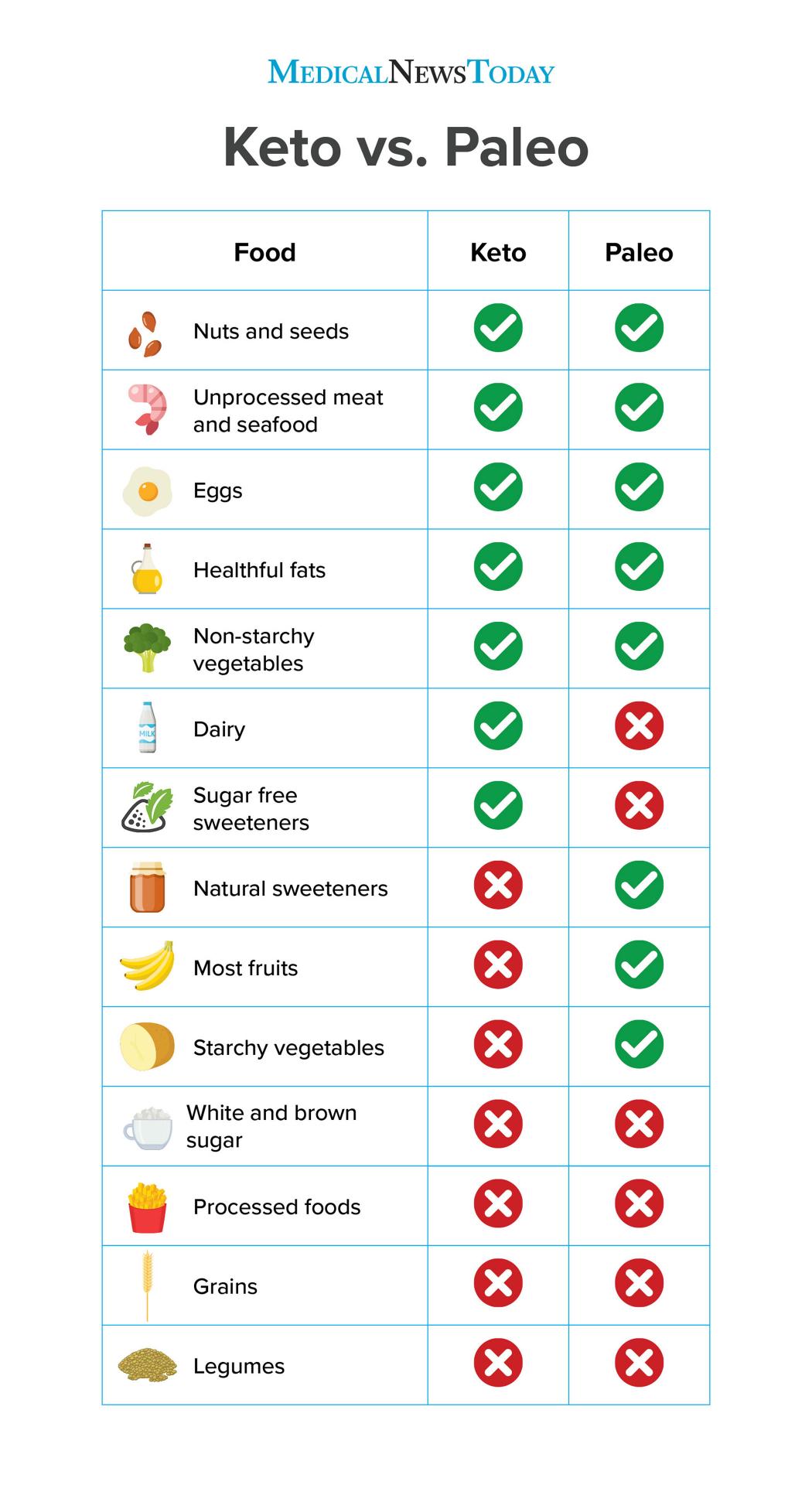
The Ketogenic diet, at its core, is a metabolic strategy. Its primary goal is to shift the body’s fuel source from glucose (derived from carbohydrates) to ketones (derived from fat). This is achieved through a drastic reduction in carbohydrate intake (typically below 20-50 grams per day), moderate protein, and high fat. The benefits are widely touted: enhanced fat burning, stable blood sugar, reduced insulin spikes, improved cognitive function, and potential therapeutic applications for various conditions from epilepsy to metabolic syndrome.
For the devout Ketonian, sugar, in almost any form, is the ultimate antagonist. It’s the swift kick that knocks the body out of ketosis, halting fat adaptation and reigniting the glucose-burning machinery. The philosophy here is uncompromising: purity of fuel, minimal insulin response, and the sustained metabolic state of ketosis. There is little room for "natural" sugars when the very definition of the diet hinges on their near-total exclusion. The knowledgeable Ketonian understands that fructose, glucose, and sucrose – the primary components of all sugars – will invariably impact blood sugar and insulin, regardless of their source.
The Paleo Mandate: Ancestral Resonance
The Paleo diet, conversely, is an ancestral eating framework. It posits that human genetics are best adapted to the foods our hunter-gatherer ancestors consumed before the advent of agriculture. This generally translates to whole, unprocessed foods: lean meats, fish, eggs, fruits, vegetables, nuts, and seeds. It strictly excludes grains, legumes, dairy, refined sugars, and processed foods. The emphasis is on nutrient density, minimizing inflammatory foods, and promoting gut health.
The Paleo approach to sugar is more nuanced than Keto’s outright rejection. While refined sugars are unequivocally out, natural sweeteners like raw honey and maple syrup are often permitted in moderation, viewed as rare, seasonal treats that might have been occasionally available to our ancestors. The key word here is "moderation" and "context." A small amount of honey foraged from a beehive, or maple syrup tapped in season, consumed infrequently and in conjunction with a nutrient-dense meal, is a far cry from the daily consumption of highly refined sucrose found in modern processed foods. For the knowledgeable Paleo enthusiast, the question isn’t just "is it natural?" but "is it ancestrally congruent?" and "what is its overall impact on health?"
Act II: The Allure of the Compromise – Enter Coconut Sugar
Into this dietary dichotomy steps coconut sugar, often heralded as a "healthy," "natural," and "sustainable" alternative to refined table sugar. Its appeal is immediate and powerful, especially for those seeking to bridge the gap between strict adherence and the occasional desire for a touch of sweetness.
The Marketing Narrative: A Health Halo
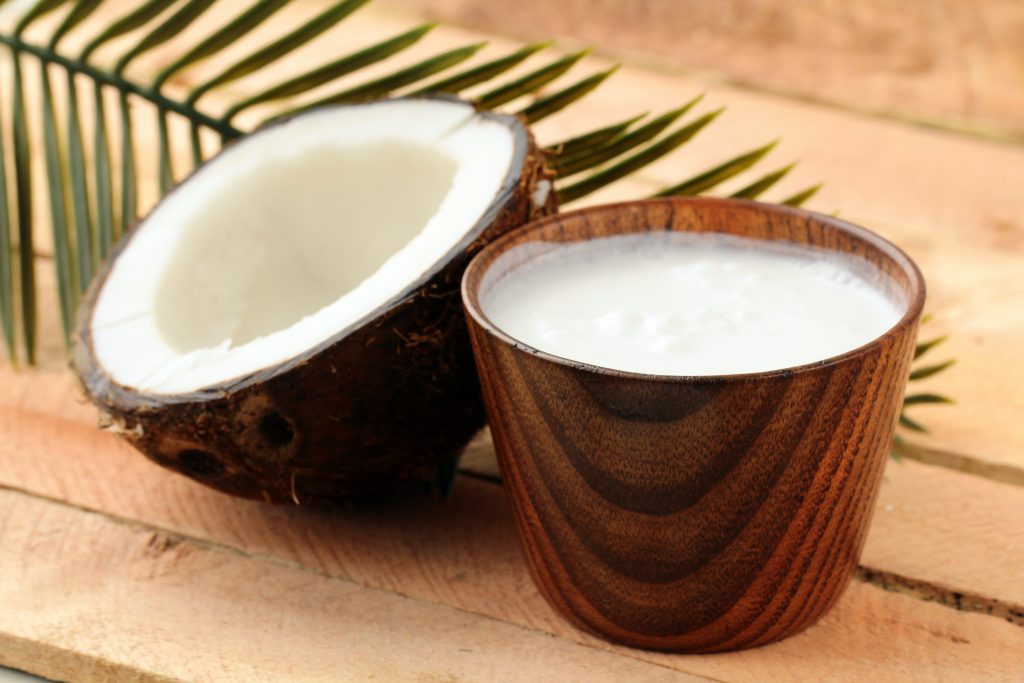
Coconut sugar is derived from the sap of the coconut palm tree (Cocos nucifera). The process is relatively simple: the sap is tapped from the flower blossoms, heated to evaporate the water, and then allowed to crystallize. This minimal processing is a cornerstone of its "natural" appeal.
The marketing often highlights several key points:
- "Natural" and "Unrefined": It’s not chemically processed like white sugar.
- Mineral Content: It purportedly contains trace minerals like iron, zinc, calcium, and potassium.
- Lower Glycemic Index (GI): This is perhaps its most significant marketing claim, often cited as being around 35, significantly lower than table sugar’s 60-65.
- Inulin Content: It contains inulin, a type of prebiotic fiber that feeds beneficial gut bacteria.
- Sustainable: Coconut palms are considered a sustainable crop.
For someone striving for Paleo principles, the "natural" and "unrefined" aspects resonate deeply. For those flirting with Keto or seeking a less drastic sugar reduction, the "lower GI" and "mineral content" offer a tempting rationale for inclusion. It promises a way to enjoy sweetness without the perceived guilt or metabolic disruption of conventional sugars. This is the initial siren song, the promise of a guilt-free indulgence, a truly "better" sugar.
Act III: Peeling Back the Layers – The Scientific Reality
The knowledgeable dieter, however, understands that marketing claims must be scrutinized against scientific reality. This is where the story of coconut sugar becomes more complex, moving from a simplistic narrative of "good" vs. "bad" to a nuanced understanding of biochemistry.
The Glycemic Index Myth (and Reality)
The claim of a low GI (around 35) for coconut sugar is frequently cited. However, this number often originates from a single study conducted by the Philippine Coconut Authority (PCA). Subsequent, more rigorous scientific reviews and independent testing have shown that coconut sugar’s GI is often much higher, ranging from 50 to 54, putting it squarely in the moderate-to-high GI category, very similar to table sugar (sucrose) and honey.
Even if its GI were genuinely lower, the glycemic index itself is a limited metric. It measures how quickly a carbohydrate raises blood sugar, but it doesn’t account for:


Post Comment