The Prebiotic Secret: How Onions Fuel a Healthy Gut Microbiome
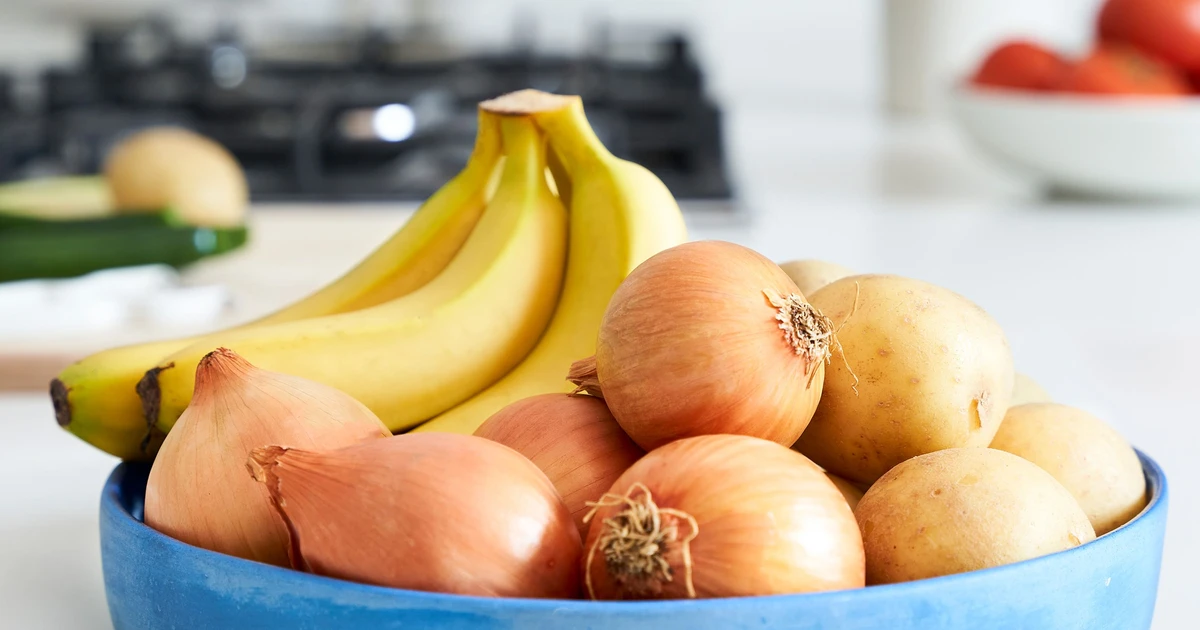
In the grand tapestry of human health, there exists an intricate, bustling metropolis within each of us – an unseen world teeming with life, orchestrating processes far beyond our conscious control. This is the gut microbiome, a complex ecosystem of trillions of microorganisms, primarily bacteria, that reside within our digestive tracts. For centuries, humanity has intuitively understood the profound connection between food and well-being, but only recently have we begun to unravel the microscopic mechanisms by which certain foods don’t just nourish us, but actively cultivate this inner garden. Among the pantheon of everyday ingredients, one humble bulb stands out, often relegated to a supporting role, yet possessing a secret power that belies its unassuming exterior: the onion.
This is the story of the onion, not merely as a flavor enhancer or a culinary staple, but as a sophisticated prebiotic powerhouse, a vital architect in fostering a healthy gut microbiome. It’s a tale of unseen heroes – beneficial bacteria – and the specific, indigestible fibers within the onion that serve as their preferred sustenance, transforming our internal landscape from a mere digestive tube into a vibrant hub of physiological activity and profound health benefits.
The Invisible Empire: Unveiling the Gut Microbiome
To truly appreciate the onion’s role, we must first understand the stage upon which it performs: the human gut microbiome. Imagine a bustling city, far more populous than any on Earth, contained within a mere 9 meters of winding intestine. This "city" comprises an estimated 100 trillion microbial cells, outnumbering our own human cells by a factor of ten, and collectively weighing as much as our brain. Far from being passive inhabitants, these microbes are active participants in our biology, possessing a collective genome (the metagenome) that is 150 times larger than our own, granting them an extraordinary range of metabolic capabilities that we ourselves lack.
This microbial community is not a monolithic entity; it’s a diverse ecosystem, a delicate balance of thousands of different species. While some are neutral or potentially pathogenic in excess, the vast majority are commensal or symbiotic, forming a mutually beneficial relationship with their human host. They are the silent partners in our digestion, metabolism, immunity, and even our neurological functions. A thriving, diverse microbiome is characterized by a rich array of beneficial bacteria, such as Bifidobacteria and Lactobacilli, which perform myriad protective and metabolic roles.
However, this delicate balance is easily disrupted. Modern diets, often high in processed foods, sugar, and unhealthy fats, coupled with antibiotic use, stress, and environmental toxins, can lead to a state of dysbiosis – an imbalance in the microbial community. When dysbiosis occurs, beneficial species dwindle, and potentially harmful ones proliferate, paving the way for a cascade of health issues, from digestive discomforts like IBS and IBD to more systemic problems such as metabolic syndrome, obesity, autoimmune disorders, allergies, and even mood disorders like depression and anxiety. The gut, once considered merely a digestive organ, is now recognized as a central command center, and its microbial inhabitants are the key operators.
The Architects of Balance: Understanding Prebiotics
In the quest to restore and maintain this crucial microbial balance, the concept of prebiotics has emerged as a cornerstone of modern nutritional science. Often confused with probiotics, which are live beneficial microorganisms themselves (like those found in yogurt or fermented foods), prebiotics are fundamentally different. They are defined as "a substrate that is selectively utilized by host microorganisms conferring a health benefit." In simpler terms, prebiotics are specific types of dietary fiber that are indigestible by human enzymes but serve as preferential food for beneficial gut bacteria.
The journey of a prebiotic begins in the upper digestive tract, where it resists breakdown by stomach acid and digestive enzymes. Unaltered, it travels onward to the large intestine, the primary residence of the gut microbiome. Here, it encounters its intended audience: the specific strains of beneficial bacteria equipped with the enzymatic machinery to ferment these complex carbohydrates. This fermentation process is where the magic happens. As these bacteria consume the prebiotics, they produce a range of beneficial metabolites, most notably short-chain fatty acids (SCFAs), such as butyrate, acetate, and propionate. These SCFAs are the unsung heroes, the direct mediators of many of the health benefits associated with a healthy microbiome.
The beauty of prebiotics lies in their selective nature. Unlike general dietary fibers that can be fermented by a wide range of bacteria (including some less desirable ones), prebiotics are specifically targeted. They act as a sophisticated fertilizer, promoting the growth and activity of keystone beneficial species, effectively outcompeting and suppressing the proliferation of potentially harmful bacteria. By nourishing these microbial allies, prebiotics help to diversify the gut ecosystem, strengthen the gut barrier, modulate immune responses, and influence systemic health far beyond the confines of the digestive tract.
Onions: The Unsung Hero of the Prebiotic World
Enter the humble onion (Allium cepa), a vegetable so ubiquitous it’s almost taken for granted. Yet, beneath its papery skin and pungent layers lies a treasure trove of prebiotic fibers, making it one of the most potent and accessible sources available in the everyday diet. The primary prebiotic compounds in onions are fructans, a type of fructooligosaccharide (FOS) and inulin.
- Fructans (FOS and Inulin): These are chains of fructose molecules that are linked in a way that makes them resistant to digestion in the human small intestine. They pass through to the large intestine intact, where they become a banquet for beneficial bacteria, particularly Bifidobacteria and Lactobacilli. Inulin, a longer chain fructan, and FOS, its shorter-chain cousin, are particularly effective at stimulating the growth of these beneficial populations. Different onion varieties contain varying amounts, with yellow and red onions typically being rich sources. Spring onions and leeks, close relatives of the onion, also boast significant fructan content.
But the onion’s prebiotic prowess doesn’t stop at fructans. It’s also rich in a diverse array of other bioactive compounds that contribute to gut health and overall well-being:
- Quercetin: While not a prebiotic in the strict sense, this powerful flavonoid antioxidant found abundantly in onions (especially red onions, where it’s responsible for the red hue) plays a crucial supporting role. Quercetin has potent anti-inflammatory properties and has been shown to modulate the gut microbiome indirectly by influencing the growth of certain bacteria and reducing inflammation in the gut lining. It can also enhance the gut barrier function, preventing "leaky gut" and further supporting a healthy internal environment.
- Sulfur Compounds (Thiosulfinates, Sulfides): These are responsible for the onion’s characteristic pungent aroma and flavor, and they are also powerful bioactive compounds. While primarily known for their antioxidant and anti-inflammatory properties, some research suggests that certain sulfur compounds can also influence the composition of the gut microbiota, contributing to a more balanced ecosystem. They may also possess antimicrobial properties against undesirable bacteria, further promoting the growth of beneficial species.
The synergy between these compounds is what makes the onion such an exceptional food for gut health. The fructans directly feed beneficial bacteria, while quercetin and sulfur compounds provide an anti-inflammatory, antioxidant-rich environment that further supports a thriving microbial community and protects the delicate gut lining. It’s a multi-pronged approach to gut wellness, delivered in a single, affordable package.
The Odyssey Through the Digestive Tract
To truly appreciate the onion’s prebiotic secret, let’s embark on a journey with its key components through the human digestive system. Imagine a piece of raw or lightly cooked onion making its way from your plate.
- The Mouth and Esophagus: Chewing breaks down the onion mechanically, mixing it with saliva. Here, enzymes like amylase begin to break down some simple carbohydrates, but the complex fructans remain untouched.
- The Stomach: The onion fragments, along with other food, enter the acidic environment of the stomach. The low pH is a formidable barrier, but the fructans are remarkably resilient. They are largely resistant to gastric acid hydrolysis, surviving this harsh environment intact.
- The Small Intestine: This is where the majority of nutrient absorption occurs. Human digestive enzymes, such as sucrase and lactase, are highly efficient at breaking down disaccharides and polysaccharides. However, the unique beta-fructosidic linkages in fructans (inulin and FOS) are not recognized by these human enzymes. As a result, the onion’s prebiotic fibers pass through the small intestine virtually undigested and unabsorbed. This resistance to digestion is precisely what qualifies them as prebiotics.
- The Large Intestine (Colon): This is the destination, the bustling metropolis of the gut microbiome. As the undigested fructans arrive, they are immediately recognized by the specialized enzymes possessed by certain beneficial bacteria, predominantly Bifidobacteria and Lactobacilli. For these microbes, the fructans are a gourmet meal, a highly preferred carbon source.


Post Comment