Heart Health in Layers: How Onions Help Manage Cholesterol and Blood Pressure
The Silent Siege Within
Imagine a relentless, invisible siege taking place within the very core of our being. It’s a battle fought silently, often without immediate symptoms, yet its eventual toll is devastating. This is the reality of cardiovascular disease (CVD), a broad term encompassing conditions that affect the heart and blood vessels. It is the leading cause of death globally, claiming millions of lives each year and leaving countless more grappling with life-altering complications. At the heart of this silent siege are two formidable adversaries: elevated cholesterol, particularly the notorious low-density lipoprotein (LDL), and stubbornly high blood pressure, or hypertension.
For decades, the medical community has waged war against CVD with powerful pharmaceuticals, advanced surgical techniques, and increasingly restrictive dietary guidelines. Yet, the search for complementary, preventive strategies continues, fueled by a growing understanding that health is a holistic tapestry woven from lifestyle, environment, and crucially, diet. In this ongoing quest, humanity has often turned to the earth, seeking wisdom in the ancient pharmacopoeia of nature. And sometimes, the most potent allies are found in the most unassuming forms.
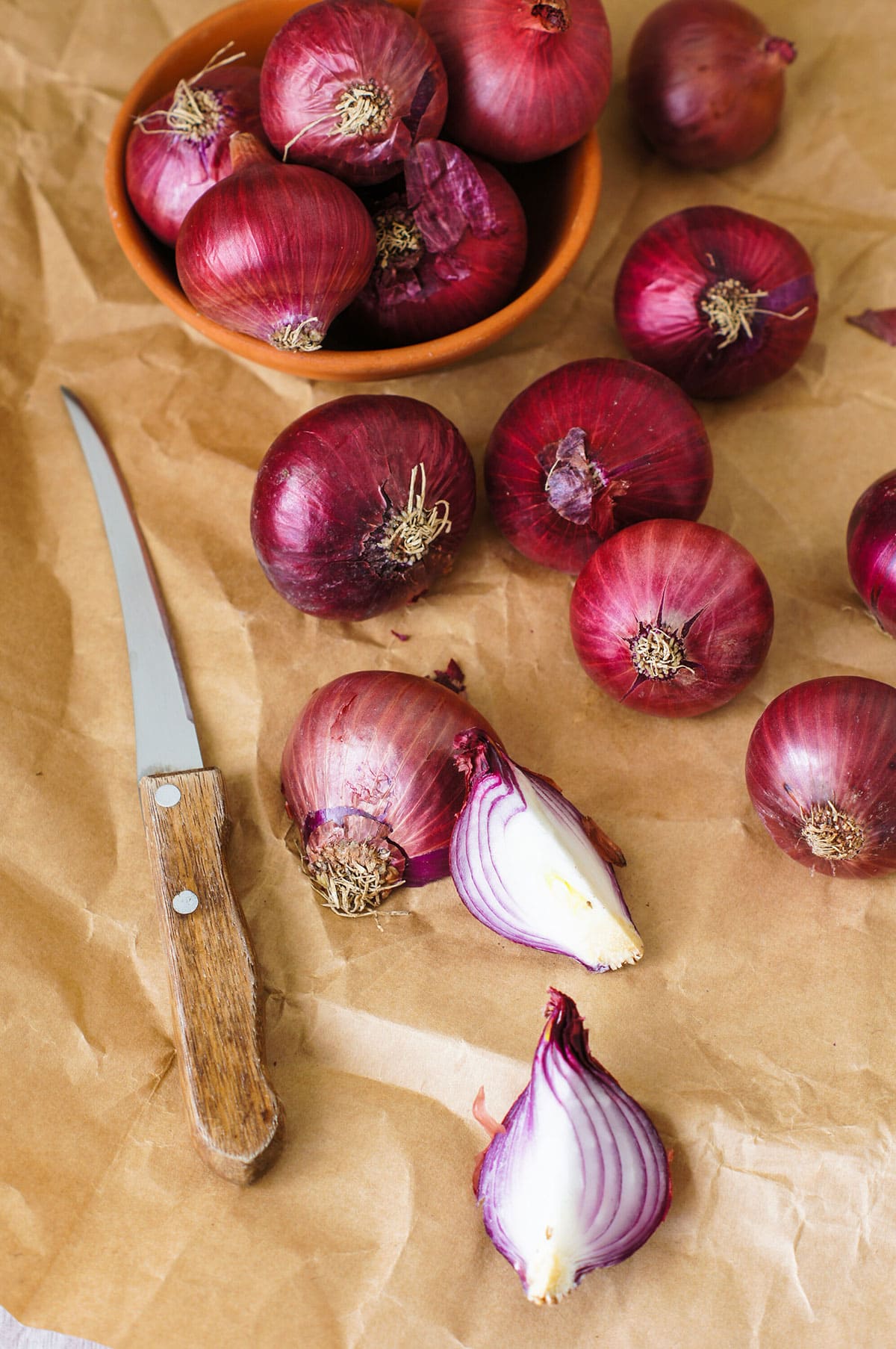
Consider the onion. This humble, ubiquitous bulb, often relegated to a supporting role in the culinary world, might seem an unlikely hero in the epic struggle for heart health. Its pungent aroma, its tear-inducing fumes, its layered structure – these are familiar traits. But beneath its papery skin and concentric rings lies a complex biochemical symphony, a natural pharmacy patiently waiting to be fully understood. This article embarks on a journey to peel back those very layers, to uncover the profound scientific story of how onions, through their intricate blend of compounds, offer a powerful, yet often overlooked, contribution to managing cholesterol and blood pressure, thereby bolstering the heart’s defenses against the silent siege. Our journey is one of discovery, bridging ancient wisdom with modern science, illuminating the remarkable potential of "food as medicine."
Chapter 1: The Heart’s Vulnerabilities – A Deeper Look at Cholesterol and Hypertension
Before we delve into the onion’s specific contributions, it’s essential to grasp the nuances of the challenges it helps address. Cardiovascular health is a delicate balance, and disruptions in two key areas – cholesterol metabolism and blood pressure regulation – are primary drivers of CVD.
Cholesterol: Friend and Foe
Cholesterol itself isn’t inherently evil. It’s a waxy, fat-like substance vital for building healthy cells, producing hormones, and aiding digestion. Our bodies produce all the cholesterol they need, but we also consume it through diet. The problem arises when there’s too much of the "bad" kind, or when the balance between different types of cholesterol is skewed.
- Low-Density Lipoprotein (LDL) – The "Bad" Cholesterol: LDL cholesterol transports cholesterol particles throughout your body. When LDL levels are high, these particles can accumulate in the walls of your arteries, forming hard, thick deposits called plaques. This process, known as atherosclerosis, narrows the arteries, making them less flexible and impeding blood flow. Oxidized LDL is particularly insidious, as it triggers inflammation and further promotes plaque formation, initiating a vicious cycle that can lead to heart attacks and strokes.
- High-Density Lipoprotein (HDL) – The "Good" Cholesterol: HDL cholesterol, conversely, acts as a scavenger, picking up excess cholesterol and returning it to the liver for removal from the body. High levels of HDL are protective against heart disease.
- Triglycerides: These are another type of fat in your blood. High levels of triglycerides, often linked to excess calories, sugar, and alcohol, can also increase the risk of heart disease, especially when combined with high LDL and low HDL.
Hypertension: The Silent Killer
Blood pressure is the force of your blood pushing against the walls of your arteries. When this pressure is consistently too high, it’s called hypertension. Often asymptomatic for years, hypertension silently damages blood vessels and organs throughout the body.
- The Mechanics of Pressure: Blood pressure is measured in two numbers: systolic (the pressure when your heart beats) and diastolic (the pressure when your heart rests between beats). Optimal blood pressure is typically less than 120/80 mmHg.
- The Damage: Uncontrolled hypertension stiffens and narrows arteries, forcing the heart to work harder. This sustained strain can lead to an enlarged heart, heart failure, kidney disease, stroke, and vision problems. The delicate lining of blood vessels, the endothelium, becomes dysfunctional, impairing its ability to regulate blood flow and prevent clotting.
- Contributing Factors: Genetics, age, obesity, excessive sodium intake, lack of physical activity, stress, and chronic inflammation all contribute to the development and progression of hypertension.
The conventional response to these threats often involves a combination of prescription medications – statins for cholesterol, ACE inhibitors, beta-blockers, or diuretics for blood pressure. While these interventions are life-saving, they frequently come with side effects and often require lifelong adherence. This has fueled a growing interest in dietary and lifestyle modifications as foundational elements of prevention and management, seeking to harness the body’s innate healing capabilities and support its physiological processes naturally. It is into this landscape that the story of the onion, a humble yet powerful dietary intervention, truly begins to unfold.
Chapter 2: The Onion: A Culinary Chameleon with Ancient Roots
Our journey into the heart of the onion’s power must first acknowledge its enduring presence in human civilization. The Allium cepa, or common onion, is far more than just a pungent culinary ingredient; it is a global staple, a historical artifact, and a time-honored medicinal plant. Its story is as layered as its structure, stretching back thousands of years.
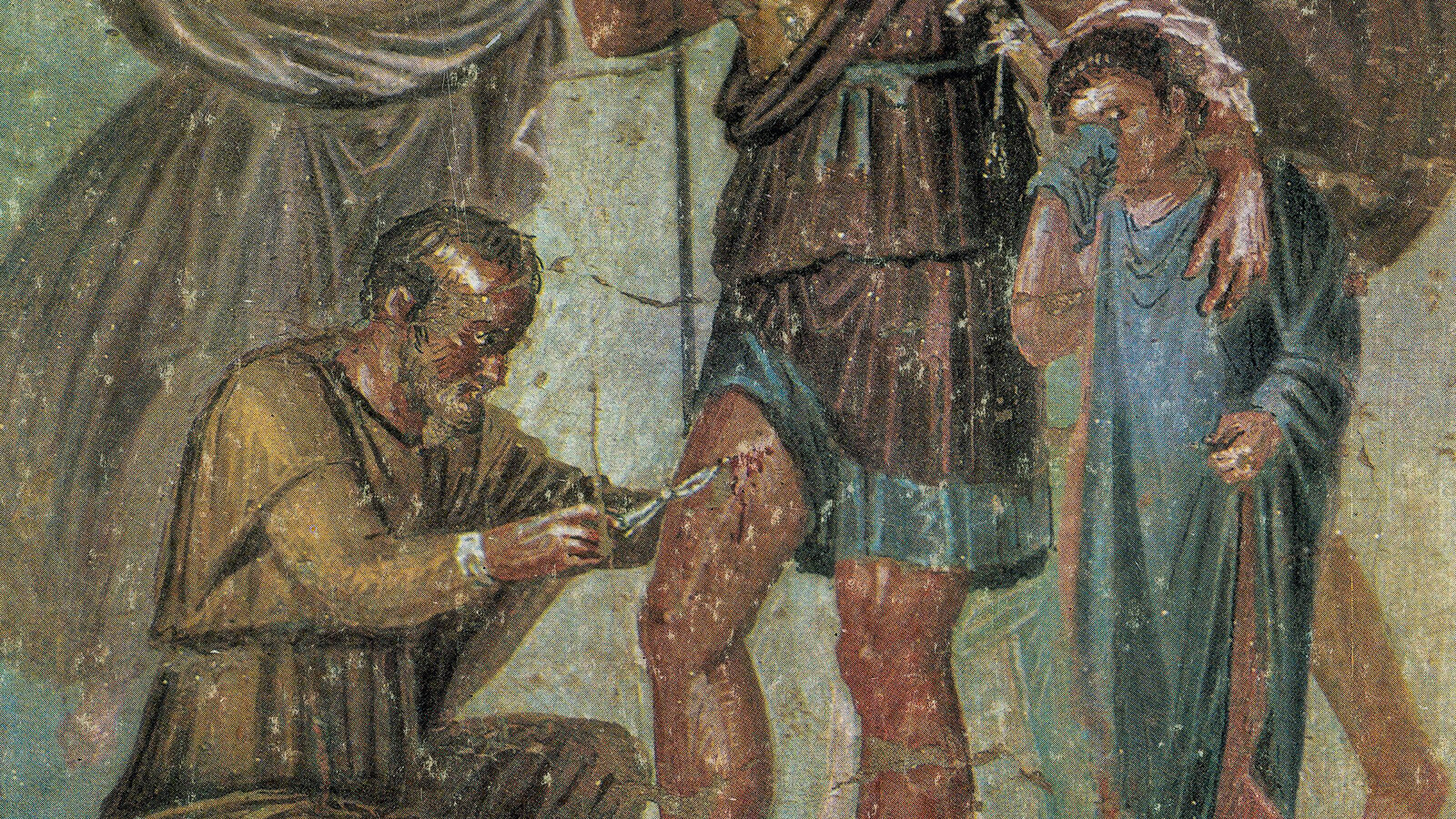
Evidence suggests that onions were cultivated as early as 5000 BC, making them one of the oldest cultivated vegetables. Ancient Egyptians revered onions, not only as food but as symbols of eternity, often placing them in the tombs of pharaohs. Greek athletes consumed onions to improve their performance, while Roman gladiators rubbed them on their muscles to strengthen them. Throughout the Middle Ages, onions were prescribed as remedies for headaches, snakebites, and hair loss. They traveled with explorers, sustained armies, and nourished populations across continents, valued for their durability, versatility, and perceived health benefits.
Yet, for much of modern history, these traditional beliefs were often dismissed as folklore. Science, in its pursuit of quantifiable data, typically focused on macronutrients and isolated compounds, overlooking the synergistic power of whole foods. The onion, with its complex array of volatile sulfur compounds and vibrant pigments, remained an enigma, its pungent character often masking its profound nutritional value.
It is only in recent decades, with advancements in analytical chemistry and a paradigm shift towards understanding the role of phytochemicals – bioactive plant compounds that are not essential nutrients but have health-promoting properties – that the onion’s true potential has begun to be systematically unveiled. Scientists began to peel back its layers, not with a knife, but with mass spectrometers and chromatographs, revealing a treasure trove of compounds with far-reaching implications for human health, particularly for the cardiovascular system. This renewed scientific interest has validated much of the ancient wisdom, transforming the humble onion from a mere kitchen staple into a subject of serious medical inquiry.
Chapter 3: Peeling Back the Phytochemical Layers – The Science Begins
The onion’s health benefits stem from its remarkably rich and diverse phytochemical profile. It is not one single magic bullet, but rather a complex orchestra of compounds working in concert, each contributing to a symphony of protective effects. The key players in this orchestra, particularly relevant to cholesterol and blood pressure management, are flavonoids (especially quercetin) and organosulfur compounds.
Quercetin: The Star Player

Post Comment