The Bitter Truth: How Bitter Melon Naturally Orchestrates Healthy Blood Sugar
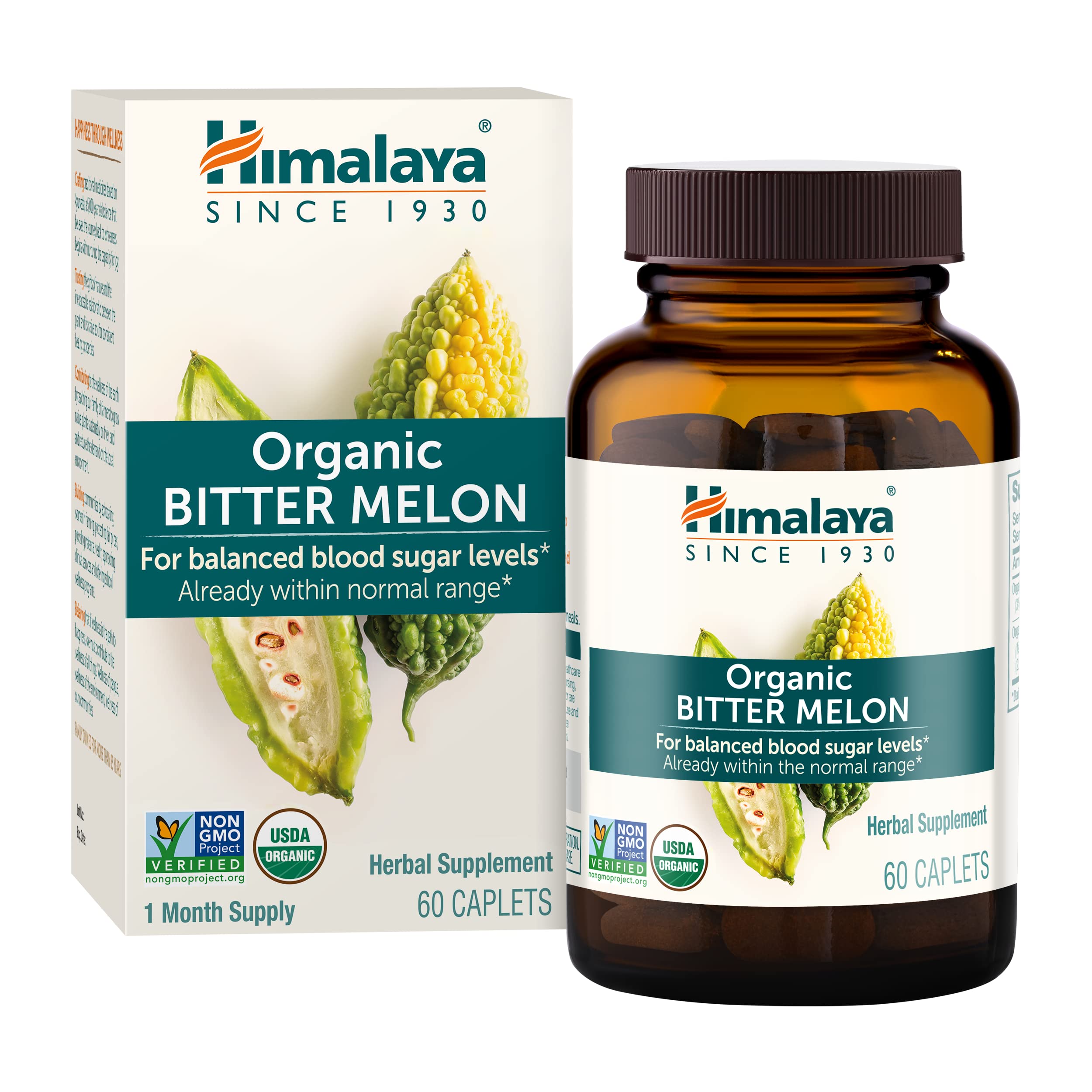
In the grand narrative of human health, few sagas are as compelling and critical as our evolving relationship with food and its profound impact on our internal chemistry. Amidst the modern epidemic of blood sugar dysregulation, pre-diabetes, and type 2 diabetes, a silent plea echoes for solutions rooted in nature, wisdom, and science. It is into this narrative that a remarkable botanical hero steps forward, not with a sweet promise, but with a distinctly bitter truth: Momordica charantia, universally known as bitter melon.
This is the story of a fruit that, for millennia, has been revered in ancient healing traditions, a testament to its efficacy long before the advent of modern pharmacology. Today, as scientific inquiry increasingly validates ancestral knowledge, bitter melon is emerging from the shadows of folklore into the spotlight of evidence-based natural medicine, offering a multifaceted approach to naturally supporting healthy blood sugar levels. Its journey from a humble gourd to a subject of intensive scientific scrutiny is a fascinating tale of phytochemical prowess, metabolic mastery, and the enduring power of nature’s pharmacy.
A Journey Through Time: The Ancient Roots of a Bitter Remedy
Our story begins not in a laboratory, but in the lush, verdant landscapes of Asia, Africa, and the Caribbean, where bitter melon has been cultivated for centuries. This tropical vine, a member of the Cucurbitaceae family (alongside cucumbers and squashes), is instantly recognizable by its warty, elongated appearance and vibrant green hue. But it is its characteristic, intense bitterness that truly defines it – a taste that, for many, is an acquired preference, but for traditional healers, was a clear signal of its medicinal potency.
In India, where Ayurveda, one of the world’s oldest holistic healing systems, flourishes, bitter melon (often called Karela) has been a cornerstone remedy for blood sugar imbalances for thousands of years. Ayurvedic texts describe it as a powerful "rasayana" (rejuvenator) for the pancreas, capable of clearing "ama" (toxins) and balancing the "kapha" and "pitta" doshas associated with metabolic disturbances. It was not merely consumed as a food but prescribed specifically for its therapeutic properties, often prepared in ways designed to maximize its medicinal punch.
Similarly, in Traditional Chinese Medicine (TCM), bitter melon (Ku Gua) has been revered for its ability to clear "heat" and detoxify the body, with a particular emphasis on its benefits for conditions resembling diabetes. From the bustling markets of Guangzhou to the tranquil villages of Yunnan, it has been an integral part of the diet and pharmacopoeia, used to promote digestion, combat parasitic infections, and, crucially, to regulate internal sugar metabolism.
Across Southeast Asia, Africa, and the Caribbean, indigenous populations instinctively understood its value. In the Philippines, it’s known as "Ampalaya," and its leaves are brewed into a tea for various ailments, including diabetes. In Brazil, it’s "melão de São Caetano," used for its antidiabetic and anti-inflammatory properties. This widespread, independent discovery and consistent application across diverse cultures serve as compelling anecdotal evidence, hinting at an inherent efficacy that transcends geographical and cultural boundaries. The sheer breadth of its traditional use paints a picture of a plant whose bitter taste was a harbinger of profound internal benefits, particularly in the realm of metabolic health.
Unveiling the Bitter Truth: The Phytochemical Arsenal
The wisdom of our ancestors, while invaluable, often lacked the tools to explain why bitter melon worked. Modern science, however, has embarked on a meticulous quest to peel back the layers of this botanical enigma, revealing a complex tapestry of bioactive compounds responsible for its impressive effects. Bitter melon isn’t a one-trick pony; it’s a multi-talented orchestrator, thanks to its rich phytochemical arsenal.
At the forefront of bitter melon’s therapeutic power are several key players:
-
Charantin: This steroidal glycoside is perhaps the most well-researched compound in bitter melon and is often considered one of its primary active ingredients. Charantin’s claim to fame lies in its remarkable ability to lower blood glucose, a property so significant that early studies even compared its efficacy to that of insulin in animal models. It acts by increasing glucose uptake and utilization in peripheral tissues, effectively mimicking some of insulin’s actions.
-
Polypeptide-p (or p-insulin): Discovered in the early 1980s, polypeptide-p is an insulin-like protein isolated from bitter melon. Its structure and function bear striking similarities to bovine insulin, and it has been shown to induce hypoglycemic effects when administered subcutaneously to both type 1 and type 2 diabetic patients. This discovery was groundbreaking, offering a direct mechanistic link to its traditional use as an insulin substitute.
-
Vicine and Momordicin: These are other notable compounds that contribute to bitter melon’s antidiabetic profile. Vicine is a pyrimidine glucoside that has shown hypoglycemic activity, while momordicin is a triterpenoid saponin contributing to the fruit’s characteristic bitterness and exerting various biological effects, including glucose-lowering.
Beyond these specific compounds, bitter melon is a treasure trove of other beneficial phytochemicals, including:
- Triterpenoids: A class of compounds known for their anti-inflammatory, antioxidant, and antidiabetic properties.
- Glycosides: Complex sugars linked to non-sugar molecules, often responsible for biological activity.
- Alkaloids: Nitrogen-containing compounds with diverse pharmacological effects.
- Flavonoids: Potent antioxidants that protect cells from oxidative stress and inflammation.
- Phenolic acids: Another group of antioxidants contributing to cellular protection.


Post Comment