Heart Health in Every Kernel: The Ancient Secret of Black Corn for Cardiovascular Wellness
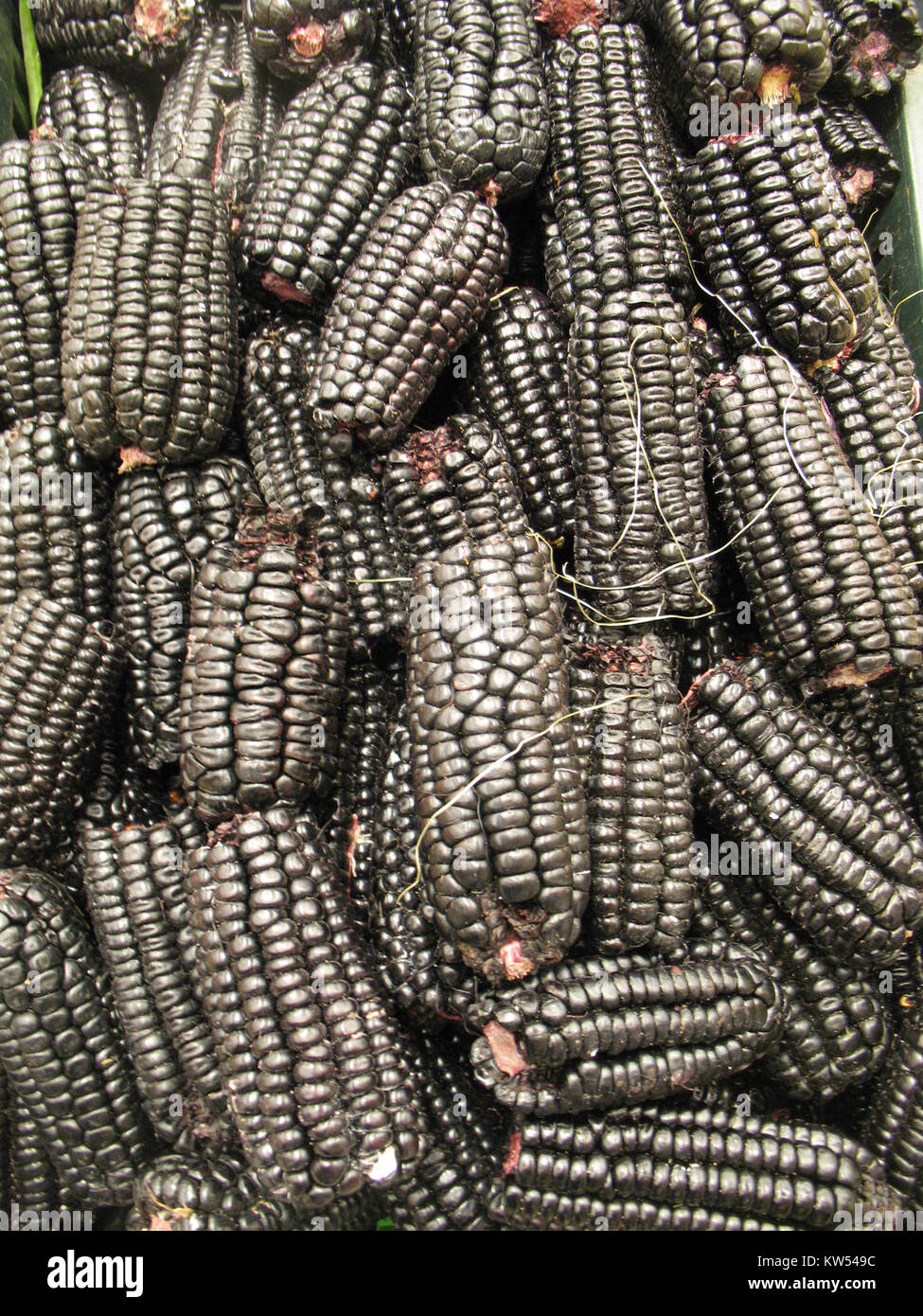
In a world increasingly dominated by the pale uniformity of yellow, mass-produced grains, there exists a vibrant, almost mystical counterpart: black corn. Its kernels, deep as a midnight sky, whisper tales of ancient civilizations, of sun-drenched Andean terraces, and of a profound connection between the earth and human well-being. This is not merely a visually striking cultivar; it is a nutritional powerhouse, a testament to nature’s intricate design, and, as modern science is increasingly confirming, a potent ally in the relentless battle against cardiovascular disease.
Our journey into the heart of black corn is a story – a narrative woven from the threads of history, culture, and cutting-edge biochemistry. It’s a story of rediscovery, of how a staple once revered by indigenous peoples is now emerging from the shadows to offer a powerful, natural pathway to a healthier heart in the 21st century. For the discerning mind, the knowledgeable seeker of holistic health, the wisdom held within each dark kernel promises not just sustenance, but a vital blueprint for cardiovascular wellness.
The Modern Scourge: Understanding the Cardiovascular Crisis
Before we delve into the therapeutic potential of black corn, it’s crucial to acknowledge the landscape it seeks to transform. Cardiovascular disease (CVD) remains the leading cause of death globally, claiming millions of lives each year. It’s a complex tapestry of conditions, including coronary artery disease, stroke, heart failure, and hypertension, all stemming from a common root: damage and dysfunction within the intricate network of our blood vessels and the mighty muscle that is our heart.
The modern lifestyle, characterized by sedentary habits, stress, and diets rich in processed foods, saturated fats, and refined sugars, has created a perfect storm for CVD. Key culprits include:
- Oxidative Stress: An imbalance between the production of reactive oxygen species (free radicals) and the body’s ability to detoxify them, leading to cellular damage. In the cardiovascular system, this can oxidize LDL cholesterol, making it more prone to forming plaque.
- Chronic Inflammation: A low-grade, persistent inflammatory response that contributes to atherosclerosis (hardening of the arteries), endothelial dysfunction, and overall vascular damage.
- Dyslipidemia: Abnormal levels of lipids (fats) in the blood, particularly high LDL ("bad") cholesterol and triglycerides, and low HDL ("good") cholesterol.
- Hypertension (High Blood Pressure): A major risk factor that puts excessive strain on arteries, leading to damage and increasing the risk of heart attack and stroke.
- Endothelial Dysfunction: Impairment of the inner lining of blood vessels (the endothelium), which plays a critical role in regulating blood flow, clotting, and immune responses. A healthy endothelium produces nitric oxide, a vasodilator, which keeps blood vessels relaxed and open.
- Insulin Resistance and Metabolic Syndrome: Conditions that often precede type 2 diabetes and significantly increase CVD risk.
Against this backdrop, the search for effective, sustainable, and natural preventative strategies is more urgent than ever. While pharmaceutical interventions play a vital role, the power of diet and lifestyle as foundational pillars of heart health cannot be overstated. And it is here, amidst the need for dietary innovation, that black corn steps onto the stage.
A Journey Through Time: The Ancestral Roots of Black Corn
Our story truly begins thousands of years ago in the fertile valleys and high plateaus of Mesoamerica. Here, Zea mays, or corn, was not merely a crop; it was the lifeblood of civilizations, revered as a sacred gift from the gods. From the Olmecs and Mayans to the Aztecs and Incas, corn was central to mythology, ritual, and daily sustenance. And among the myriad varieties cultivated, the pigmented types – red, blue, and especially black corn – held a special significance.
These ancient varieties, unlike the ubiquitous yellow corn that dominates modern agriculture, were bred for their resilience, their unique flavor profiles, and, though perhaps intuitively rather than scientifically understood, their potent medicinal properties. Black corn, with its strikingly deep hue, was particularly prized. In Peru, for instance, a vibrant purple corn (a close relative in terms of pigmentation) has been used for centuries to create chicha morada, a traditional beverage celebrated not just for its refreshing taste but for its perceived health benefits, a testament to its cultural entrenchment as a health-promoting food.
The colonial era brought with it a shift in agricultural practices. European colonizers favored varieties that yielded more and were easier to cultivate on a large scale, leading to a gradual decline in the diversity of heirloom corn. The emphasis shifted from nutritional density and unique phytochemical profiles to caloric output and industrial efficiency. Yellow corn, with its higher starch content and milder flavor, became the standard, while the vibrant, nutrient-rich pigmented varieties were relegated to niche markets or the ancestral fields of indigenous communities.
This historical context is crucial because it highlights a profound irony: in our quest for modern agricultural efficiency, we inadvertently sidelined some of nature’s most potent "superfoods." Black corn, therefore, is not a newly discovered wonder, but a re-emerging ancient secret, its virtues patiently awaiting rediscovery by a generation increasingly attuned to the wisdom of traditional diets and the power of whole foods.
Unveiling the Dark Magic: The Phytochemical Powerhouse of Black Corn
The striking dark color of black corn is not just aesthetically pleasing; it is a visual cue to its extraordinary nutritional prowess. That deep, almost black-purple hue is primarily due to a class of powerful compounds known as anthocyanins. These are water-soluble pigments belonging to the flavonoid family, and they are the true stars of our story, bestowing upon black corn its formidable cardiovascular benefits.
Let’s delve into the specific components that make black corn a cardiac champion:
-
Anthocyanins: The Primary Guardians of the Heart
- What they are: Anthocyanins are responsible for the red, purple, and blue colors in fruits, vegetables, and grains. In black corn, the predominant anthocyanins include cyanidin-3-glucoside (C3G), peonidin, and delphinidin. C3G, in particular, has been extensively studied for its health-promoting properties.
- Antioxidant Powerhouse: This is perhaps their most celebrated attribute. Anthocyanins are exceptional at scavenging free radicals, which are unstable molecules that cause oxidative damage to cells, proteins, and DNA. In the context of heart health, this means protecting LDL cholesterol from oxidation, a critical step in the formation of atherosclerotic plaque. By neutralizing these damaging free radicals, anthocyanins help maintain the integrity of arterial walls and prevent the initiation and progression of atherosclerosis.
- Anti-inflammatory Agents: Chronic inflammation is a silent killer, fueling the progression of CVD. Anthocyanins exhibit potent anti-inflammatory effects by modulating various signaling pathways, such as NF-κB, which plays a central role in regulating the expression of pro-inflammatory genes. They can reduce the production of inflammatory cytokines (e.g., TNF-α, IL-6) and enzymes like COX-2, thereby mitigating systemic inflammation that contributes to endothelial dysfunction and plaque instability.


Post Comment