Anthocyanin Power: Why Black Corn Reigns as the Antioxidant King of the Grain World
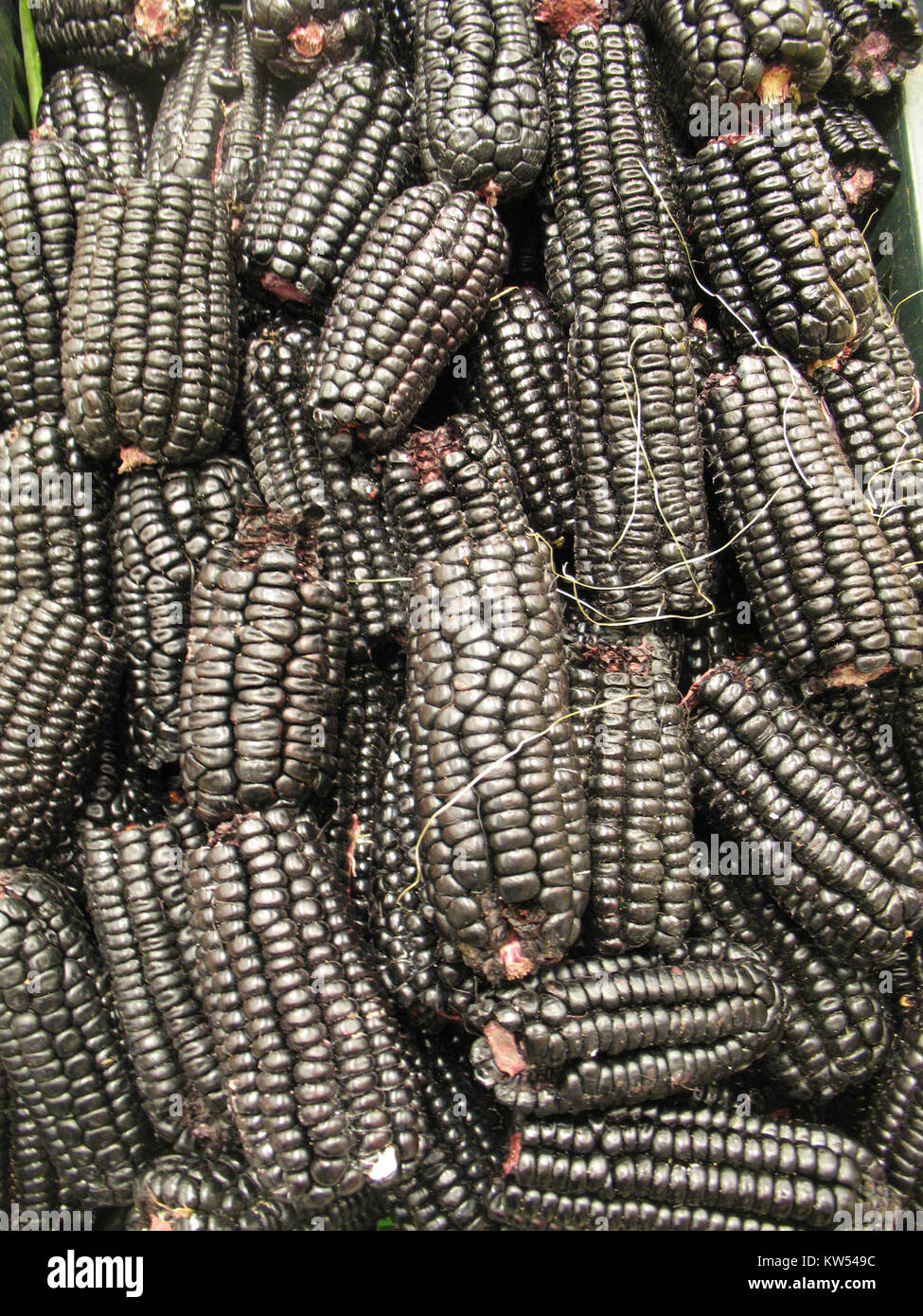
The world of grains often conjures images of golden fields swaying under the sun – the ubiquitous yellow corn, the wholesome brown rice, the robust wheat. But hidden within this familiar landscape, there exists a profound and ancient secret, cloaked in a hue so deep it borders on midnight. This is black corn, a grain not just visually striking, but one that quietly, yet powerfully, holds the crown as the antioxidant king of its domain. Its regal darkness is not merely aesthetic; it is a profound testament to its unparalleled nutritional prowess, a story woven through millennia of human history and now, affirmed by the cutting edge of modern science.
Imagine a food that isn’t just sustenance but a shield, a balm, a vibrant elixir bottled by nature itself. Black corn, with its startlingly rich purple-black kernels, embodies this vision. It is a powerhouse of anthocyanins, the very compounds responsible for its majestic color, and the very compounds that bestow upon it an extraordinary capacity to combat oxidative stress and inflammation within the human body. This isn’t just another healthy grain; this is a forgotten treasure, a superfood whose time has come to reclaim its rightful place at the forefront of our plates and our health consciousness. To understand its unparalleled might, we must embark on a journey – a journey through time, through chemistry, and through the intricate pathways of human physiology, all to uncover why black corn truly deserves its title as the antioxidant king.
A Journey Through Time: The Ancestral Roots of Black Corn
Our story begins not in modern laboratories, but in the sun-drenched valleys and high plateaus of Mesoamerica, thousands of years ago. Long before the golden varieties dominated global agriculture, ancestral maize, including its darker iterations, was a cornerstone of civilizations like the Maya, Aztec, and Inca. These indigenous cultures didn’t just cultivate black corn; they revered it. It was more than a crop; it was a sacred entity, woven into their myths, rituals, and medicinal practices.
The vibrant pigments of black corn were not overlooked by these ancient peoples. They understood, perhaps intuitively, the link between color and vitality. Black corn was used in ceremonial drinks, traditional healing remedies, and as a staple food, valued for its unique properties that extended beyond mere caloric content. From the Chicha Morada of Peru, a refreshing purple corn beverage, to the tortillas and atole (a thick, warm drink) prepared by Mesoamerican communities, black corn played a central role, its deep hue a silent promise of strength and well-being.
Unlike the relentless pursuit of yield and uniformity that characterized the selective breeding of modern yellow corn, traditional farmers of black corn focused on preserving its inherent diversity and resilience. Heirloom varieties, passed down through generations, maintained a rich genetic pool, ensuring that the corn retained its potent nutritional profile. While modern industrial agriculture optimized for factors like ease of harvest, storage, and visual appeal (often at the expense of micronutrients), the ancient wisdom championed a holistic approach, valuing the intrinsic qualities that make black corn a nutritional marvel. This ancestral legacy is crucial, for it is within these time-honored varieties that the highest concentrations of the very compounds we celebrate today are found, a testament to the foresight of those who cultivated it millennia ago.
The Science of Darkness: Unpacking Anthocyanins
The deep, almost mystical color of black corn is its most obvious identifier, but its true power lies within this very pigment. This darkness is a direct manifestation of anthocyanins, a remarkable class of water-soluble pigments belonging to the broader family of flavonoids. These compounds are ubiquitous in the plant kingdom, responsible for the dazzling array of reds, purples, and blues found in fruits, vegetables, and flowers – from the blush of a strawberry to the deep indigo of a blueberry, and indeed, to the midnight hue of black corn.
In plants, anthocyanins serve multiple critical functions. They act as natural sunscreens, protecting delicate plant tissues from harmful UV radiation. They attract pollinators by making flowers visually irresistible. They also play a role in plant defense mechanisms, acting as antioxidants to protect cells from environmental stressors. But it is their profound impact on human health that has captured the attention of scientists and health enthusiasts alike.
Black corn stands out because of its extraordinarily high concentration and diverse profile of anthocyanins, especially compared to its paler cousins. While yellow corn contains carotenoids like lutein and zeaxanthin (also beneficial antioxidants), black corn boasts a spectrum dominated by anthocyanins, particularly cyanidin-3-glucoside (C3G), peonidin-3-glucoside, and delphinidin-3-glucoside. C3G, in particular, is a potent variant that has been extensively studied for its impressive health-promoting properties. The sheer density of these compounds in black corn kernels is what sets it apart. While blueberries are often lauded for their anthocyanin content, black corn, gram for gram, can rival or even surpass many berries, and crucially, it delivers these potent compounds within the context of a grain, offering a unique nutritional package.
This isn’t just about having some anthocyanins; it’s about having a lot of them, and a diverse range of them, working in concert. The complex interplay of these various anthocyanin molecules, along with other phytochemicals present in black corn, creates a synergistic effect – a biological orchestra where the combined impact is far greater than the sum of its individual parts. This scientific understanding elevates black corn from a mere colorful curiosity to a scientifically validated superfood, a dark jewel packed with the very essence of plant power.
The Antioxidant Symphony: How Anthocyanins Work Their Magic
To truly appreciate black corn’s reign as the antioxidant king, one must understand the silent, insidious threat it combats: oxidative stress. In the ceaseless dance of cellular metabolism, our bodies produce unstable molecules called free radicals. These highly reactive entities, often oxygen-containing, have unpaired electrons, making them desperately seek out stable molecules from which to steal an electron. This "theft" initiates a chain reaction of damage to crucial cellular components – DNA, proteins, lipids – leading to cellular dysfunction, accelerated aging, and paving the way for a host of chronic diseases, from cardiovascular issues and neurodegenerative disorders to various forms of cancer. Environmental factors like pollution, radiation, smoking, and even intense exercise can further exacerbate free radical production.
Enter anthocyanins, the conductors of an intricate antioxidant symphony. Their primary mechanism of action is their ability to neutralize free radicals directly. With their unique chemical structure, anthocyanins are adept at donating an electron to stabilize free radicals, effectively disarming them before they can inflict damage. This direct scavenging capacity is a cornerstone of their protective role.
However, the magic of anthocyanins extends far beyond simple direct scavenging. They engage in a multifaceted approach to cellular defense:
- Chelation of Metal Ions: Anthocyanins can bind to metal ions like iron and copper, which, when unbound, can catalyze the formation of highly destructive free radicals. By chelating these metals, anthocyanins prevent their involvement in oxidative reactions.
- Anti-inflammatory Properties: Oxidative stress and inflammation are deeply intertwined; one often fuels the other. Anthocyanins exhibit powerful anti-inflammatory effects by modulating various signaling pathways involved in the inflammatory response. They can inhibit the production of pro-inflammatory cytokines and enzymes, thus dampening the body’s inflammatory cascade. This is crucial, as chronic low-grade inflammation is now recognized as a root cause of many modern diseases.
- Gene Regulation: Emerging research suggests that anthocyanins can influence gene expression. They can upregulate genes associated with antioxidant defense systems within our cells (like glutathione production) and downregulate genes involved in inflammatory processes. This ability to "switch on" protective mechanisms at a genetic level signifies a profound and long-lasting impact.
- Enzyme Modulation: Anthocyanins can also interact with and modulate the activity of various enzymes involved in cellular metabolism and defense. This can include enhancing the activity of beneficial antioxidant enzymes and inhibiting enzymes that contribute to oxidative damage.
Moreover, the antioxidant power of black corn is not solely attributed to anthocyanins. It also contains other beneficial phytochemicals, fiber, and essential minerals, all of which contribute to its holistic health benefits. This synergistic effect means that the sum is greater than the parts – the complex matrix of compounds in black corn works together to provide a robust and comprehensive defense against oxidative stress and inflammation, solidifying its position as an unparalleled antioxidant powerhouse in the grain world.
The Health Kingdom: Black Corn’s Crown Jewels of Benefits
The profound antioxidant and anti-inflammatory capabilities of black corn’s anthocyanins translate into a remarkable array of health benefits, forming a veritable crown of jewels that solidify its royal status. Each facet of this crown addresses a critical aspect of human well-being, from the heart to the brain, offering a natural shield against the ailments of modern life.
Cardiovascular Health: A Shield for the Heart
Heart disease remains a leading global killer, but black corn offers potent protective mechanisms. Studies suggest that the anthocyanins in black corn can significantly improve various markers of cardiovascular health. They help to regulate lipid profiles, reducing levels of "bad" LDL cholesterol while potentially increasing "good" HDL cholesterol. Furthermore, anthocyanins contribute to the relaxation of blood vessels, leading to improved blood flow and reduced blood pressure, key factors in preventing hypertension. By protecting the delicate endothelial lining of blood vessels from oxidative damage, they help maintain arterial elasticity and prevent the buildup of atherosclerotic plaques, effectively acting as an anti-atherosclerotic agent. The anti-inflammatory effects also play a crucial role in preventing the chronic inflammation that underlies plaque formation and instability.
Metabolic Health & Diabetes Prevention: Balancing the Scales
For individuals navigating the complexities of metabolic syndrome or at risk of type 2 diabetes, black corn emerges as a powerful ally. Research indicates that anthocyanins can significantly impact blood sugar regulation. They achieve this by enhancing insulin sensitivity, meaning the body’s cells become more responsive to insulin, allowing glucose to be efficiently absorbed from the bloodstream. They can also inhibit digestive enzymes like alpha-glucosidase, which slows down the breakdown of carbohydrates, leading to a more gradual rise in blood glucose levels after meals. Moreover, the antioxidant properties protect pancreatic beta cells – the cells responsible for insulin production – from oxidative stress, preserving their function and potentially delaying the onset or progression of diabetes.


Post Comment