The Darker, The Better: Why You Should Swap Yellow Corn for Purple and Black Varieties
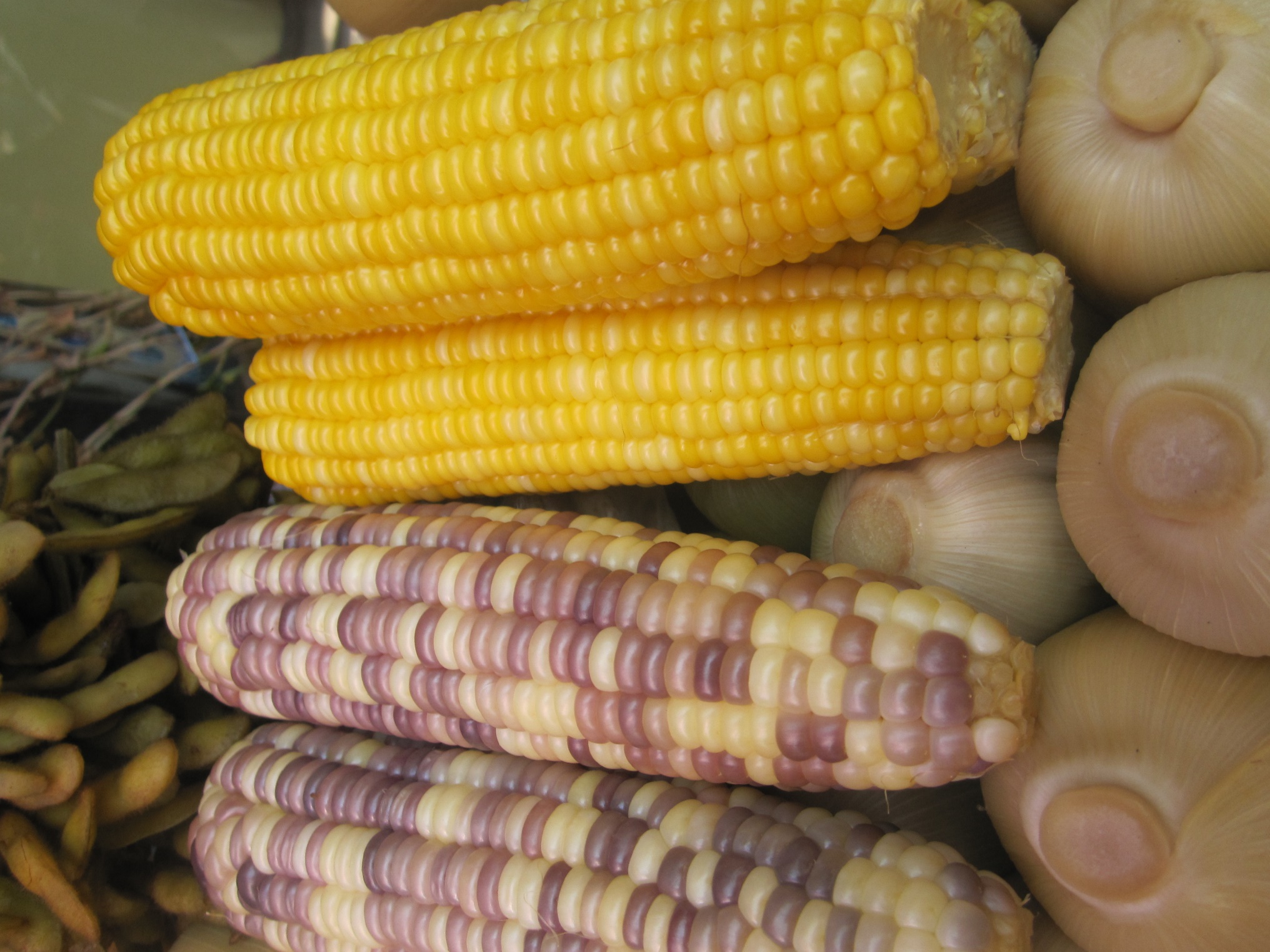
In the vast tapestry of global agriculture, few threads are as pervasive as corn. From the golden fields stretching across the American Midwest to the bustling markets of Mesoamerica, Zea mays has shaped civilizations, fueled economies, and graced countless dinner tables. For many, the image of corn is synonymous with a cheerful, sun-kissed yellow – the ubiquitous sweet corn of summer barbecues, the comforting grits of the American South, or the industrial staple that feeds livestock and forms the backbone of processed foods. But what if this golden standard, so deeply ingrained in our collective consciousness, has caused us to overlook a darker, more ancient secret? What if, in our pursuit of efficiency and yield, we’ve inadvertently traded a rich heritage of profound nutritional wisdom for mere caloric abundance?
This is not just a story of swapping one color for another; it is a narrative of rediscovery, a journey back to the roots of a vital crop, and an exploration of the incredible power held within the deep, enigmatic hues of purple and black corn. For the discerning palate and the health-conscious mind, the message is clear: the darker, the better.
The Ancestral Roots: A Journey Through Time and Culture
Our story begins not in modern agricultural labs, but in the rugged highlands of the Andes and the fertile valleys of ancient Mesoamerica, thousands of years before the arrival of Europeans. Here, corn was not just a crop; it was a deity, a cultural cornerstone, and a source of life. And crucially, it was a kaleidoscope of colors. Indigenous peoples cultivated an astonishing diversity of corn varieties, each with unique characteristics, flavors, and applications. Among these, the deep purples and lustrous blacks held a special reverence.
Consider maíz morado, or Peruvian purple corn, a variety whose cultivation dates back over 2,500 years. In Peru, purple corn is more than a foodstuff; it is an intrinsic part of the national identity, celebrated in ancient textiles and modern cuisine. From this vibrant grain, Peruvians craft chicha morada, a refreshing, antioxidant-rich beverage enjoyed for centuries, and mazamorra morada, a sweet, spiced pudding. These weren’t mere culinary preferences; they were practices steeped in an understanding, perhaps intuitive, of the corn’s medicinal and fortifying properties. The deep pigment wasn’t just visually appealing; it signaled something vital.
Further north, in the vast expanse of Mesoamerica and among the indigenous tribes of North America, black and dark blue corn varieties held similar significance. The Hopi Blue corn, for instance, known for its deep, almost black kernels, has been a staple for the Hopi people for generations, revered for its resilience and unique flavor profile. The Black Aztec corn, a heritage variety, was cultivated by the Aztecs and remains prized today for its rich, earthy taste and the dramatic contrast it brings to the plate. These varieties were not simply food; they were medicine, ceremonial objects, and symbols of connection to the earth and the cosmos. Their dark colors were seen not as a deviation but as an embodiment of potency.
Then came the "Yellow Revolution." With the advent of industrial agriculture in the 20th century, a relentless drive for higher yields, easier processing, and standardized products pushed the immense diversity of corn to the sidelines. Yellow dent corn, with its high starch content and suitability for mechanical harvesting and animal feed, became king. Its pale, uniform kernels were easy to mill, store, and transport, perfectly aligning with the demands of a burgeoning global food system. The vibrant palette of ancestral corn varieties, cultivated for millennia, began to fade from mainstream view, relegated to niche markets and the steadfast hands of heirloom seed savers. The focus shifted from nutrient density and diverse phytonutrients to calorific efficiency and economic scale. We gained volume, but perhaps, we lost soul – and a significant spectrum of health benefits.
The Science Behind the Shade: What Makes Them Darker and Better?
The shift from yellow to purple or black corn isn’t merely an aesthetic choice; it’s a profound nutritional upgrade, a journey from a simpler biochemical profile to one of astonishing complexity and potency. The secret lies in the very pigments that give these corn varieties their captivating hues: anthocyanins.
Anthocyanins are a class of polyphenols, a vast group of plant compounds celebrated for their powerful antioxidant and anti-inflammatory properties. They are responsible for the vibrant red, purple, and blue colors found in many fruits and vegetables, from blueberries and raspberries to red cabbage and eggplants. While yellow corn derives its color primarily from carotenoids like zeaxanthin and lutein (which also offer health benefits, particularly for eye health), purple and black corn are veritable anthocyanin powerhouses.
In purple and black corn, the predominant anthocyanin is cyanidin-3-glucoside (C3G). This particular compound has been extensively studied and is considered one of the most potent anthocyanins in terms of its biological activity. Other anthocyanins like peonidin and malvidin may also be present, contributing to the corn’s specific shade and overall phytochemical synergy. The concentration of these compounds in purple and black corn can be remarkably high, often surpassing that found in many common berries, which are themselves lauded for their anthocyanin content.
But how do these pigments work their magic? At a cellular level, our bodies are constantly battling oxidative stress, a state caused by an imbalance between the production of free radicals (unstable molecules that can damage cells) and the body’s ability to neutralize them. Oxidative stress is implicated in aging and the development of numerous chronic diseases, including heart disease, cancer, and neurodegenerative disorders. Anthocyanins, with their unique chemical structure, are exceptional free radical scavengers. They effectively neutralize these harmful molecules, protecting our cells from damage and supporting overall cellular health.
Beyond anthocyanins, purple and black corn often boast a richer, more diverse nutritional profile compared to their yellow counterparts. They tend to have:
- Higher Fiber Content: Crucial for digestive health, blood sugar regulation, and satiety.
- Increased Protein: While corn is not a complete protein, darker varieties can offer slightly higher protein levels and a better balance of amino acids.
- Elevated Mineral Content: Often richer in essential minerals like iron, zinc, magnesium, and phosphorus, which are vital for countless bodily functions.
- Other Phytonutrients: Alongside anthocyanins, these darker varieties contain a spectrum of other beneficial phenolic acids and flavonoids that work synergistically to enhance health.
It’s not just about one superstar compound; it’s about the entire orchestra of phytonutrients working in concert, a testament to nature’s complex pharmacy. When we choose purple or black corn, we are not just adding color to our plate; we are infusing our bodies with a potent, multi-faceted defense system.
The Health Harvest: Unveiling the Benefits
The scientific community has taken note of the profound potential of purple and black corn. A growing body of research, ranging from in vitro studies to animal models and emerging human trials, paints a compelling picture of their health benefits.
-
Antioxidant and Anti-inflammatory Powerhouse: As discussed, anthocyanins are master antioxidants. This capacity directly translates into systemic anti-inflammatory effects. Chronic inflammation is now recognized as a root cause of most modern diseases. By dampening inflammatory pathways, purple corn can play a protective role against a wide array of conditions, from autoimmune disorders to metabolic syndrome.
-
Cardiovascular Health: The heart-protective benefits are particularly compelling. Studies suggest that purple corn extract can help lower blood pressure, improve cholesterol profiles by reducing LDL (bad cholesterol) oxidation, and enhance endothelial function – the health of the inner lining of our blood vessels. By reducing oxidative stress and inflammation within the cardiovascular system, anthocyanins contribute to healthier arteries and a stronger heart, reducing the risk of atherosclerosis and related conditions.


Post Comment