The Tingling Truth: How Szechuan Peppercorns Spice Up Your Circulation and Support Heart Health
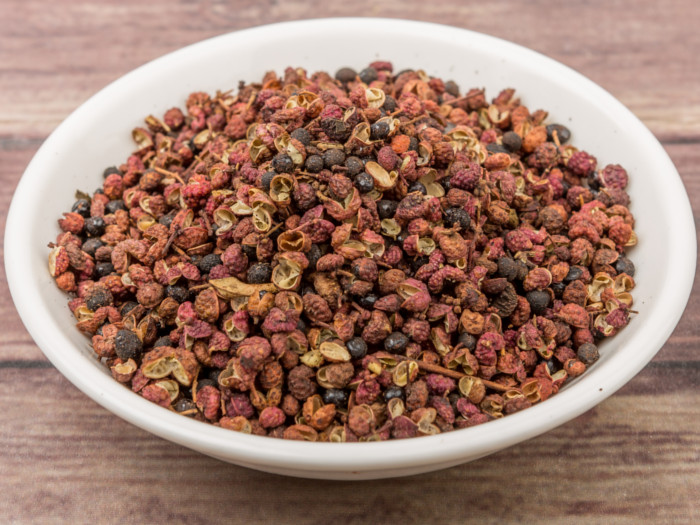
The first encounter with a Szechuan peppercorn is rarely forgotten. It’s an experience that transcends mere taste, venturing into the realm of tactile sensation. A vibrant, citrusy aroma gives way to an initial burst of flavor, quickly followed by an enigmatic, almost electric buzz – a tingling, numbing sensation that dances on the tongue, creating a unique culinary landscape known as "ma la." For centuries, this peculiar spice has been the soul of Sichuan cuisine, a cornerstone of its fiery, complex flavors. But what if this delightful culinary curiosity held more than just gastronomic secrets? What if the very compounds responsible for that distinctive tingle were also quietly working wonders for one of our most vital organs – the heart?
In the grand tapestry of global health, the cardiovascular system is arguably the most critical thread. It is the intricate network responsible for pumping life-giving blood to every cell, organ, and tissue in our bodies. Yet, this tireless system is constantly under siege from modern lifestyles, often succumbing to the silent ravages of inflammation, oxidative stress, and poor circulation. Hypertension, atherosclerosis, and heart disease remain leading causes of morbidity and mortality worldwide.
This article embarks on a journey, bridging ancient culinary wisdom with contemporary scientific inquiry. We will peel back the layers of the humble Szechuan peppercorn, exploring its fascinating history, delving into the unique compounds that define its character, and, most importantly, uncovering the emerging scientific evidence that suggests this vibrant spice might be a surprisingly potent ally in our quest for optimal heart health and robust circulation. Prepare to have your perceptions, and perhaps your palate, spiced up as we explore how Szechuan peppercorns could be a secret ingredient for a healthier heart.
Chapter 1: The Ma La Mystique – A Culinary & Historical Journey
Our story begins in the verdant, often misty mountains of Sichuan, China, a region renowned for its bold and intoxicating cuisine. Here, for thousands of years, the Szechuan peppercorn (primarily Zanthoxylum bungeanum and Zanthoxylum armatum) has been more than just an ingredient; it’s a cultural icon, an essential element that defines the very essence of Sichuan food. Unlike black or white peppercorns, which deliver a pungent heat, Szechuan peppercorns offer a distinct "ma la" experience – "ma" meaning numbing and "la" meaning spicy. This duality creates a sensory symphony, preparing the palate for the chili’s fire while adding a complex, almost floral undertone.
Historically, Szechuan peppercorns were not confined to the kitchen. Ancient Chinese texts, dating back centuries, reveal their use in traditional medicine. They were prescribed for a variety of ailments, including digestive issues, toothaches, and even to warm the body and improve circulation. The belief was that the peppercorns could dispel cold, promote the flow of qi (life energy), and invigorate the blood. These traditional applications, passed down through generations, often hold kernels of truth that modern science is only now beginning to validate.
The Szechuan peppercorn itself is not a true peppercorn but rather the dried outer husk of the fruit of an ash tree belonging to the citrus family, hence its subtle lemony notes. Its unique properties are attributed to a group of compounds called sanshools, particularly hydroxy-alpha-sanshool (HαS). These are the unsung heroes responsible for the characteristic tingling sensation, and, as we will discover, potentially for its cardiovascular benefits too. Understanding the historical context and the unique sensory profile of this spice sets the stage for our deeper dive into its physiological effects.
Chapter 2: The Heart’s Highway – Understanding Cardiovascular Health
Before we delve into how Szechuan peppercorns might assist, it’s crucial to briefly understand the magnificent complexity of the cardiovascular system. Imagine it as a vast, intricate network of highways and byways, with the heart as the central pumping station. Arteries carry oxygen-rich blood away from the heart, veins return oxygen-depleted blood, and capillaries facilitate the exchange of nutrients and waste products at the cellular level. The smooth, inner lining of these vessels, known as the endothelium, is a critical player, acting as a dynamic interface that regulates blood pressure, prevents clotting, and controls inflammation.
When this system falters, a cascade of problems can arise. Hypertension (high blood pressure) puts undue strain on the heart and blood vessels. Atherosclerosis, the hardening and narrowing of arteries due to plaque buildup, restricts blood flow and increases the risk of heart attacks and strokes. Inflammation and oxidative stress are insidious enemies, damaging endothelial cells and contributing to plaque formation. Poor circulation can lead to a host of issues, from cold extremities to impaired organ function.
Maintaining a healthy cardiovascular system involves a multifaceted approach: a balanced diet, regular exercise, stress management, and, increasingly, the judicious incorporation of functional foods and spices that offer protective benefits. It is within this landscape of preventative and supportive care that the Szechuan peppercorn emerges as a fascinating candidate, promising not just flavor, but a potential boost for our heart’s vital highway.
Chapter 3: The Star Player – Vasodilation and Enhanced Circulation
The most direct and perhaps most exciting cardiovascular benefit attributed to Szechuan peppercorns lies in their ability to promote vasodilation – the widening of blood vessels. This effect is primarily mediated by the star compound, hydroxy-alpha-sanshool (HαS).
Here’s how it works: HαS interacts with specific receptors in our body, primarily Transient Receptor Potential (TRP) channels, particularly TRPA1 and TRPV1, which are found on nerve endings and endothelial cells. While these interactions are responsible for the "tingling" sensation we feel in our mouths, they also trigger a cascade of events within the blood vessels.
One of the key outcomes of this interaction is the stimulation of nitric oxide (NO) production. Nitric oxide is a powerful signaling molecule, often referred to as a "vasodilator" or "endothelium-derived relaxing factor." When NO is released, it signals the smooth muscle cells surrounding arteries to relax, causing the vessels to widen. This widening has several profound benefits:
- Reduced Blood Pressure: Wider blood vessels offer less resistance to blood flow, thereby reducing the pressure exerted on arterial walls. This can be a significant benefit for individuals with hypertension.
- Improved Blood Flow: With less constriction, blood flows more freely and efficiently throughout the body. This means better delivery of oxygen and nutrients to all tissues and organs, including the heart itself. Improved circulation can alleviate symptoms associated with poor blood flow, such as cold hands and feet.
- Enhanced Endothelial Function: By promoting NO production, Szechuan peppercorns may help maintain the health and flexibility of the endothelium, the crucial inner lining of blood vessels. A healthy endothelium is vital for preventing atherosclerosis and maintaining overall vascular integrity.
Think of it like unclogging a garden hose. When the hose is constricted, water struggles to get through, and pressure builds up. Widen the hose, and water flows freely, with less strain. The HαS in Szechuan peppercorns acts like a gentle internal widener, easing the passage for blood and reducing the workload on the heart. This direct mechanism positions Szechuan peppercorns as a potential natural aid for supporting healthy blood pressure and robust circulation.
Chapter 4: Beyond the Tingle – Antioxidant Powerhouse
While vasodilation is a headline act, the cardiovascular benefits of Szechuan peppercorns extend far beyond the immediate tingling sensation. Like many plant-based spices, they are rich in a diverse array of phytochemicals, compounds that plants produce for their own protection but which also offer significant health advantages to humans. Among these, the antioxidant properties of Szechuan peppercorns are particularly noteworthy.
Oxidative stress is a major contributor to cardiovascular disease. It occurs when there’s an imbalance between the production of harmful free radicals and the body’s ability to neutralize them with antioxidants. Free radicals are unstable molecules that can damage cells, including the delicate endothelial cells lining our blood vessels. This damage can lead to inflammation, plaque formation, and the progression of atherosclerosis.
Szechuan peppercorns are packed with various flavonoids, polyphenols, and lignans – powerful antioxidant compounds. These compounds work by:
- Neutralizing Free Radicals: They donate electrons to stabilize free radicals, preventing them from causing cellular damage.
- Protecting Endothelial Cells: By reducing oxidative damage, they help maintain the integrity and function of the endothelium, which is crucial for healthy blood vessels.
- Preventing LDL Oxidation: Low-density lipoprotein (LDL) cholesterol, often dubbed "bad" cholesterol, becomes particularly harmful when it gets oxidized. Oxidized LDL is more readily taken up by macrophages, leading to foam cell formation and the initiation of atherosclerotic plaques. The antioxidants in Szechuan peppercorns can help prevent this crucial step in plaque development.


Post Comment