The Secret to Salt-Free Flavor: Using Szechuan Pepper to Reduce Sodium Intake
The Unseen Burden: A Culinary Conundrum
In the vast tapestry of human history, few substances have wielded as much power and influence as salt. From ancient trade routes where it was currency, to its indispensable role in food preservation before refrigeration, sodium chloride has been a cornerstone of civilization. It awakens our palates, enhances flavors, and transforms the mundane into the magnificent. Yet, in the modern era, this once-revered white crystal has cast a long, ominous shadow over public health. The average person consumes far more sodium than is necessary or safe, often without realizing it, hidden in the labyrinthine aisles of processed foods, restaurant meals, and even seemingly innocent condiments.
This pervasive overconsumption of sodium is a silent, insidious threat, contributing to a global epidemic of hypertension, cardiovascular disease, and stroke. The medical community issues dire warnings, and nutrition labels become a dizzying array of numbers, but for the passionate home cook and the discerning diner, the message often translates into a culinary conundrum: how do we reduce sodium without sacrificing the very essence of flavor? How do we navigate a world where "salt-free" often equates to "taste-free," leaving our palates longing and our meals feeling incomplete? This is the starting point of our story, a universal challenge faced by millions yearning for both health and gastronomic delight.
But what if the answer wasn’t about deprivation, but discovery? What if, nestled in the ancient culinary traditions of a distant land, lay a spice capable of revolutionizing our approach to flavor, offering a vibrant, electrifying experience that renders the need for excessive salt utterly obsolete? This is the tale of Szechuan pepper, or huājiāo (花椒), a remarkable berry that promises to unlock a world of salt-free flavor, transforming our understanding of taste and empowering us to reclaim our health, one thrilling, numbing bite at a time.
The Salty Scourge: A Deep Dive into Sodium’s Grip
To truly appreciate the liberation offered by Szechuan pepper, we must first understand the pervasive grip of sodium. Historically, salt was a precious commodity, its scarcity dictating its value. Our ancestors, facing uncertain food supplies, developed a deep-seated biological drive to seek out and savor salty flavors, a mechanism that once served to ensure essential electrolyte balance. Sodium plays crucial roles in nerve impulse transmission, muscle contraction, and maintaining fluid balance. It is, unequivocally, vital for life.
However, the modern food landscape has inverted this ancient dynamic. We are no longer foraging for scarce resources; instead, we are inundated. The industrialization of food production has leveraged salt’s remarkable properties: it’s a cheap preservative, a potent flavor enhancer, and a powerful masking agent for less desirable flavors. From breakfast cereals to baked goods, from frozen dinners to fast food, sodium lurks everywhere, often in quantities that far exceed our physiological needs. The recommended daily intake for adults is typically around 2,300 milligrams, but many consume upwards of 3,400 milligrams or more. This chronic overload forces our bodies to work overtime.
The mechanisms are well-documented: excess sodium leads to increased fluid retention, which elevates blood volume. This, in turn, puts greater pressure on artery walls, leading to hypertension, or high blood pressure. Over time, sustained hypertension damages blood vessels, forcing the heart to labor harder and increasing the risk of heart attack, stroke, kidney disease, and even cognitive decline. The "salt craving" is not merely a preference; it’s a learned addiction, a feedback loop where our palates become desensitized, demanding ever-increasing levels of salt to register flavor. Breaking this cycle feels like an insurmountable challenge, a sacrifice of pleasure for prudence. This is where the story needs a hero, a culinary disruptor.
Enter the Dragon: Unveiling Szechuan Pepper (花椒 – Huājiāo)
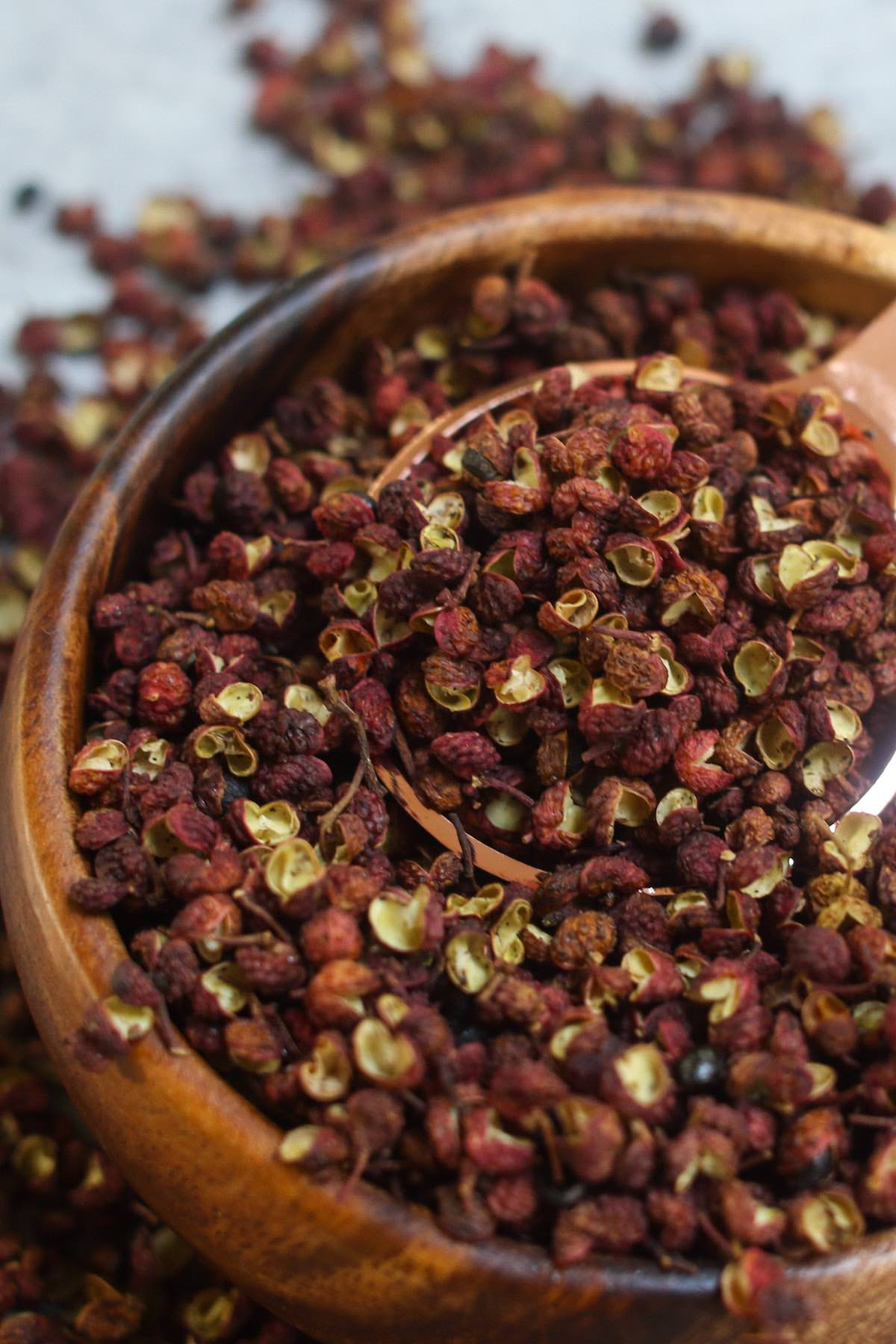
Our hero emerges not from the conventional spice rack, but from the fertile lands of Sichuan, a province in southwestern China renowned for its bold, complex, and intensely flavorful cuisine. Szechuan pepper, often mistakenly called a "peppercorn," is not related to black pepper (Piper nigrum) or chili peppers (Capsicum species). Instead, it is the dried outer pericarp of berries from trees and shrubs in the Zanthoxylum genus, part of the citrus family. Its botanical cousins include the lemon and the orange, a hint to its underlying bright, aromatic complexity.
For millennia, Szechuan pepper has been an integral part of Chinese gastronomy, particularly in Sichuanese cooking, where it forms one half of the iconic "málà" (麻辣) flavor profile – a tantalizing combination of "numbing" (má) and "spicy" (là). While chili peppers provide the "là," it is Szechuan pepper that delivers the distinctive "má," a sensation unlike anything else in the culinary world.
Imagine a gentle, persistent buzzing on your tongue, a tingling that dances across your lips and palate, sometimes intensifying to a mild electric hum, almost as if your taste buds are being gently massaged. This unique sensation is not pain, nor is it heat in the capsaicin sense. It’s an entirely different category of sensory experience, a tactile phenomenon that transcends the traditional five tastes. Beneath this fascinating numbness, Szechuan pepper unveils a symphony of subtle flavors: bright citrus notes, reminiscent of lemon zest or pomelo peel; delicate floral undertones, like lavender or rose; and a woody, almost earthy finish that grounds its vibrant energy. It’s a spice that doesn’t just add flavor; it redefines the very texture of taste.
The "story" of Szechuan pepper is one of ancient wisdom and modern relevance. Its journey from a regional Chinese specialty to a global culinary phenomenon reflects a growing appreciation for diverse flavors and a recognition of its potential beyond its traditional context. But its true power, as we shall discover, lies not just in its exotic allure, but in its profound ability to trick and delight our senses, making salt a less crucial player in the flavor game.
The Science of Sensory Deception: How Szechuan Pepper Rewires the Palate
The magic of Szechuan pepper as a salt-reducing agent lies in its unique interaction with our sensory systems. Flavor is a complex tapestry woven from taste, aroma, texture, and even temperature. When we consume food, our brain integrates these disparate signals into a unified perception. Salt, traditionally, plays a crucial role in this integration, enhancing sweetness, balancing bitterness, and bringing out the "true" flavor of ingredients. Our learned expectation is that intense, satisfying flavor requires salt. Szechuan pepper, however, offers a clever bypass.
The chemical compound primarily responsible for Szechuan pepper’s numbing effect is hydroxy-alpha-sanshool. This fascinating molecule doesn’t activate taste receptors in the traditional sense. Instead, it interacts directly with nerve endings in the mouth, specifically mechanoreceptors that are responsible for sensing touch, pressure, and vibration. Researchers have found that sanshool compounds trigger tactile sensations akin to those caused by low-frequency vibrations, around 50 Hertz. This is why the sensation is often described as "tingling" or "buzzing."
Here’s how this sensory deception works to reduce our reliance on salt:
-
Tactile Intensity as a Flavor Substitute: Our brains equate strong sensory input with "flavor." When Szechuan pepper activates these mechanoreceptors, it provides a powerful, novel, and undeniably intense sensation. This tactile "fullness" and complexity satisfies the brain’s craving for robust flavor, diverting attention away from the need for high levels of salt. It’s not that Szechuan pepper tastes like salt; rather, it offers an entirely different, equally compelling, and arguably more engaging form of flavor intensity.
-
Palate Reset and Heightened Perception: The numbing sensation, particularly when it begins to subside, can have a remarkable "palate cleansing" effect. It acts as a kind of sensory reset button. Following the tingling, subsequent bites of food, even with significantly reduced sodium, can taste more vibrant and distinct. The contrast makes other subtle flavors more apparent, sharpening our perception of the natural sweetness of vegetables or the umami in meats and mushrooms.
-
Aromatic Complexity: Beyond the "má," Szechuan pepper contributes a rich aromatic profile. The citrusy, floral, and woody notes add layers of complexity that salt simply cannot. These volatile compounds engage our olfactory senses, which are intimately linked to our perception of flavor. By providing a diverse aromatic landscape, Szechuan pepper creates a more complete and satisfying sensory experience, reducing the palate’s reliance on salt for overall "deliciousness."
-
Salivary Stimulation: The tingling sensation can also stimulate salivary flow. Saliva plays a vital role in dissolving food compounds and transporting them to our taste buds, thereby enhancing our perception of taste. Increased saliva can make even mildly flavored dishes seem more impactful and enjoyable.


Post Comment