The Electric Buzz: Why Szechuan Pepper Isn’t Just a Spice, It’s a Culinary Revolution Waiting in Your Cabinet
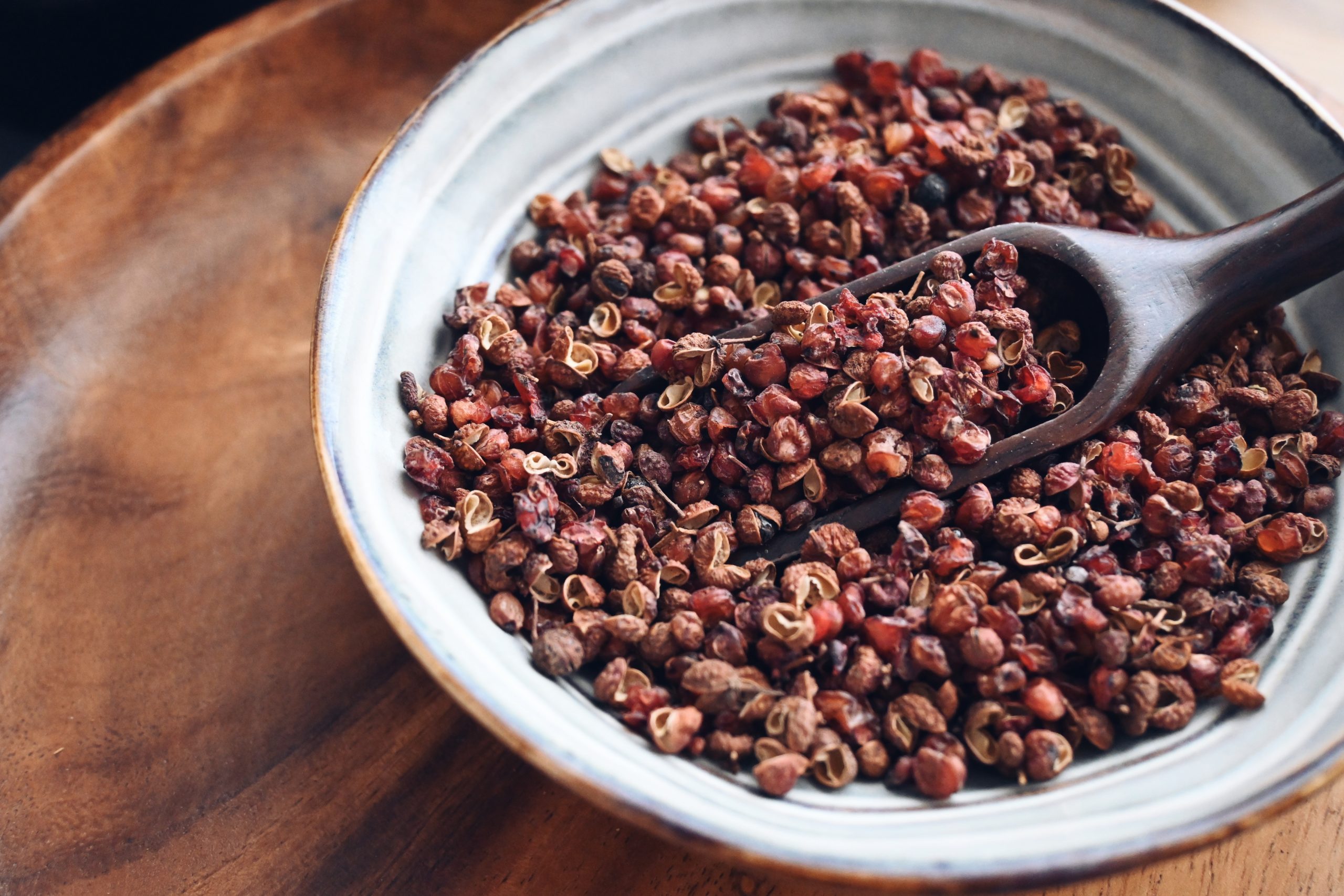
For centuries, the global culinary landscape has been largely defined by a few dominant flavors. The pungent heat of chili, the warm embrace of cinnamon, the earthy whisper of cumin – these are the familiar architects of our palates. But there exists, in the heart of China, a sensation that defies categorization, a spice that doesn’t just add flavor, but fundamentally alters the very landscape of your mouth. It buzzes, it tingles, it vibrates with an electric current, leading you down a path of unparalleled sensory delight. This is the magic of Szechuan pepper, and if your spice cabinet doesn’t yet house its potent, fragrant berries, you are missing out on an entire dimension of gastronomic possibility.
This isn’t merely an argument for adding another jar to your collection; it’s an invitation to embark on a journey of discovery, a narrative woven through ancient history, cutting-edge science, and the sheer joy of culinary liberation. For the knowledgeable cook, the discerning epicurean who understands that flavor is an art and an exploration, Szechuan pepper is not just an exotic curiosity—it is an indispensable tool, a secret weapon, and a gateway to a world where taste transcends the ordinary. It’s time to tell its story, and in doing so, tell the story of how your cooking will never be the same.
The Enigma of Málà: Unpacking the Sensation
To truly appreciate Szechuan pepper, we must first understand its signature sensation: málà (麻辣). Often translated simply as "numb and spicy," this phrase barely scratches the surface of the complex interplay it orchestrates within your mouth. Là (辣) refers to the familiar heat of chili, a fiery burn that activates thermoreceptors, signaling pain and warmth. But it is má (麻) that elevates Szechuan pepper into a league of its own. This is the numbing, tingling, vibrating sensation that sets it apart, a unique physiological experience that has captivated palates for millennia.
The science behind má is fascinating and relatively recent in its full understanding. Unlike capsaicin, the active compound in chilies, Szechuan pepper’s primary active component is a molecule called hydroxy-alpha-sanshool. This remarkable compound doesn’t activate thermoreceptors; instead, it interacts with mechanoreceptors – the nerve endings responsible for detecting touch, pressure, and vibration. Specifically, sanshools stimulate touch receptors, tricking your brain into perceiving a buzzing, tingling, or even slightly effervescent sensation. Imagine a tiny, harmless electrical current dancing on your tongue and lips, a gentle vibration that reverberates through your mouth. It’s a localized, pulsating tremor that simultaneously alerts and soothes, preparing your palate for the robust flavors that often accompany it.
This unique neurosensory experience is profound. It’s not just a subtle background note; it’s a lead singer, a conductor, and a stage designer all rolled into one. The initial bite might bring a bright, citrusy warmth, followed by a slow build-up of this electric tingle. As the sensation intensifies, a subtle numbness can emerge, not the unpleasant kind that dulls taste, but one that seems to sharpen your other senses, making you more attuned to the nuances of the dish. It’s like a reset button for your palate, clearing away previous flavors and preparing it for the next wave, making each subsequent bite as vibrant as the first. This constant, dynamic interaction is why málà cuisine is so addictive, so compelling, and why Szechuan pepper is far more than just another spice. It’s an experience unto itself.
A Journey Through Time: History and Cultural Significance
The story of Szechuan pepper is deeply intertwined with the culinary and cultural history of China, particularly its eponymous province. Long before the arrival of chili peppers from the Americas in the 16th century, Szechuan pepper (known as huājiāo or "flower pepper") was the primary source of pungency and warmth in Chinese cuisine. This historical context is crucial for the knowledgeable audience, as it highlights the spice’s foundational role rather than merely a modern addition. For millennia, it stood as the undisputed king of piquancy, shaping the very definition of "spicy" in China.
Its origins can be traced back to ancient times, with its use documented in texts dating back over 2,000 years. Early Chinese pharmacopoeias lauded its medicinal properties, employing it in traditional Chinese medicine (TCM) to warm the body, aid digestion, expel cold, and treat various ailments. It was seen as a vital ingredient for balancing the body’s internal energies, particularly important in the often damp and humid climate of Sichuan. This dual role – as a culinary star and a medicinal staple – cemented its place in Chinese culture, weaving it into the fabric of daily life from imperial banquets to humble peasant meals.
The arrival of chilies introduced a new layer of heat, a different kind of là. Rather than replacing Szechuan pepper, chilies formed a symbiotic relationship with it, creating the iconic málà flavor profile that defines much of Sichuan cuisine today. The fiery burn of chilies combined with the unique numbing tingle of Szechuan pepper creates a multi-layered sensory assault that is both invigorating and deeply satisfying. This evolution speaks to the resilience and adaptability of Szechuan pepper, proving its irreplaceable nature even when faced with a powerful new competitor.
Perhaps one of the most intriguing chapters in its modern history is its brief, albeit significant, ban in the United States. From 1968 to 2005, the U.S. Department of Agriculture (USDA) prohibited the import of Szechuan pepper due to concerns about citrus canker, a bacterial disease that could potentially harm American citrus crops. Although the disease doesn’t affect humans and is not transmitted by the dried berries themselves, the fear of contamination led to a 37-year embargo. During this period, chefs and connoisseurs resorted to smuggling or using subpar substitutes, a testament to its indispensable status. The lifting of the ban in 2005, following the implementation of a heat-treatment requirement, was met with widespread celebration, unlocking a new era of authentic Sichuan cuisine in the West and allowing a new generation to discover its singular magic. This history adds a layer of "forbidden fruit" allure to Szechuan pepper, making its re-emergence all the more triumphant and its current accessibility a luxury to be cherished.
Beyond the Heat: The Flavor Profile
To focus solely on the málà sensation of Szechuan pepper would be to miss a significant part of its charm. While the numbing tingle is its signature, the aromatic qualities of Szechuan pepper are equally complex and captivating. For the knowledgeable palate, these nuances are where the true artistry lies.
When you bring a handful of freshly toasted Szechuan peppercorns to your nose, you’re greeted by a symphony of scents. There’s a pronounced citrusy brightness, reminiscent of lemon zest or fresh lime peel, sometimes leaning towards a delicate orange blossom. This isn’t the sourness of citrus fruit, but the vibrant, uplifting aroma of its rind. Beneath this top note, you might detect subtle woody undertones, a hint of pine or even a whisper of cedar. Some varieties offer a more floral bouquet, almost like lavender or rose, while others present a faint, intriguing earthiness. This multi-faceted aromatic profile contributes significantly to the overall complexity of a dish, adding layers of fragrance that mere chili peppers cannot.
Moreover, Szechuan pepper acts as a remarkable flavor enhancer, much like salt, but in a different register. It has a unique ability to cut through richness and fat, brightening heavy dishes and preventing them from becoming cloying. In the context of the rich, often oil-laden sauces of Sichuan cuisine, the sanshools not only provide their characteristic tingle but also cleanse the palate, making each bite feel fresh and vibrant. This palate-cleansing effect ensures that you don’t suffer from flavor fatigue, allowing you to savor the intricate flavors of a dish from start to finish.
Different varieties of Szechuan pepper offer subtle variations in both their má intensity and their aromatic profiles. The most common varieties are typically derived from two species: Zanthoxylum bungeanum (often referred to as green Szechuan pepper or qīng huājiāo) and Zanthoxylum simulans (red Szechuan pepper or dà hóng páo huājiāo). Green Szechuan pepper is prized for its more intense numbing sensation and its pronounced, almost piercing, citrusy and floral notes. Red Szechuan pepper, while still providing a robust má, tends to have a warmer, woodier, and slightly less aggressive citrus aroma. Understanding these distinctions allows the discerning cook to select the perfect variety to achieve specific flavor and sensory outcomes, further expanding the versatility of this incredible spice. It’s a journey into the subtle art of sensory manipulation, a dance of fragrance and sensation that few other spices can rival.
The Culinary Canvas: How to Use Szechuan Pepper
Having explored its unique sensation, history, and flavor profile, the natural next step is to understand how to unleash its full potential in your kitchen. Szechuan pepper is incredibly versatile, extending far beyond the traditional dishes of its homeland. But first, mastering its preparation is key.
Preparation is Paramount:
The most common way to use whole Szechuan peppercorns is to toast them gently in a dry skillet over medium-low heat until fragrant, typically for 2-3 minutes. This process awakens their volatile oils, intensifying both their aroma and their numbing power. Be careful not to burn them, as this can turn them bitter. Once toasted, let them cool slightly before grinding them. The desired grind depends on the application:
- Coarsely ground: Ideal for rubs, dry seasonings, or when you want visible flecks and bursts of sensation.
- Finely ground: Best for incorporating into sauces, dressings, or when a smoother texture is desired. A spice grinder or mortar and pestle works best.
- Whole: Sometimes added whole to braising liquids, infused oils, or hot pots, where they are typically strained out before serving.
- Infused Oil: A fantastic way to capture its essence. Gently heat Szechuan peppercorns (and often dried chilies) in a neutral oil (like canola or peanut oil) over low heat until fragrant and the peppercorns start to darken. Strain the oil, and you have a potent, aromatic condiment perfect for drizzling.
Traditional Sichuan Applications:
Szechuan pepper is the soul of Sichuan cuisine. Here are some quintessential dishes where its magic shines:


Post Comment