The Healing Herb: How Thai Basil Supports Digestion and Gut Health
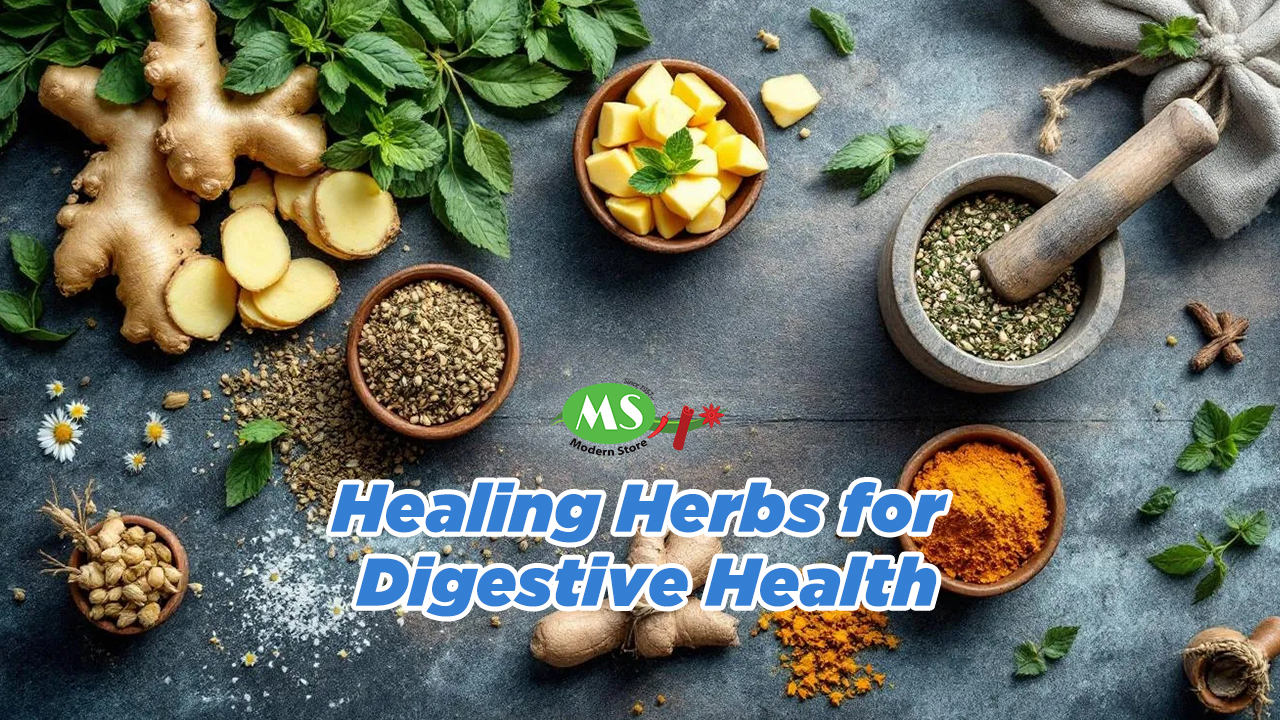
The air in a bustling Thai kitchen hums with a symphony of aromas: the sharp tang of lime, the earthy spice of galangal, the fiery whisper of chilies. But weaving through it all, a distinct, almost ethereal note emerges – sweet, peppery, with a hint of anise and clove. This is the unmistakable fragrance of Thai basil, a verdant jewel with deep purple stems and glossy, pointed leaves. For many, it’s simply a culinary garnish, an essential finishing touch that elevates a Pad Krapow or a Panang Curry from delicious to divine. Yet, beneath its culinary charm lies a profound secret, whispered through generations of traditional healers and now increasingly validated by modern science: Thai basil is a potent ally for digestion and a quiet guardian of gut health.
This is not merely the story of a leaf; it is the unfolding narrative of ancient wisdom meeting contemporary understanding, a journey into the intricate biochemistry of a plant that holds remarkable power. To truly appreciate Thai basil, or Ocimum basilicum var. thyrsiflora as botanists would identify it, we must peel back its layers, tracing its origins, understanding its cultural significance, and finally, delving into the sophisticated mechanisms by which it nurtures our inner ecosystem. For the knowledgeable seeker of natural wellness, this is an invitation to look beyond the plate and discover a healing herb whose story is as rich and complex as the flavors it imparts.
A Culinary Journey Through Time and Culture: The Story Begins
Our story begins not in a laboratory, but in the sun-drenched fields of Southeast Asia, where basil varieties have flourished for millennia. While many are familiar with Italian sweet basil, Thai basil possesses a distinct character, both in flavor and in its historical applications. Its lineage traces back to India and Africa, spreading across Asia through ancient trade routes, adapting and evolving into the myriad forms we know today. Thai basil, with its characteristic purple stems, robust anise-like aroma, and slightly spicier profile, became an indispensable element of Thai cuisine, deeply intertwined with the nation’s culinary identity.
Imagine, for a moment, an ancient Thai village. The rhythm of life is intimately connected to the earth, and the local healer, perhaps a venerable woman with eyes that hold generations of knowledge, tends to her herb garden. Among the myriad plants, Thai basil holds a special place. It’s not just for flavor; it’s a remedy, a comfort, a daily preventative. She observes its effects, learns from the experiences of her ancestors, and passes down this wisdom. When a child suffers from a bloated belly, or an elder complains of indigestion, a simple infusion of Thai basil leaves is prepared. This empirical knowledge, honed over centuries, formed the bedrock of Traditional Thai Medicine (TTM).
In TTM, as in many traditional systems, food is medicine, and herbs are vital components of maintaining dhātu, or elemental balance within the body. Thai basil is often categorized as a warming herb, possessing carminative and antispasmodic properties. It was traditionally employed to relieve flatulence, dispel gas, ease stomach cramps, and even stimulate appetite. Beyond its direct digestive benefits, it was also believed to have mild antimicrobial properties, used to cleanse the system and even, in some historical contexts, to expel intestinal parasites. The purple hue of its stems and flowers, indicative of anthocyanin pigments, would have been noted as a sign of its vitality and potency, even if the precise biochemical explanation remained unknown. This cultural embedding of Thai basil, not just as a food but as a functional food, sets the stage for understanding its deeper health benefits. It’s a testament to human ingenuity and observation that long before microscopes and mass spectrometers, the healing power of this humble herb was recognized and utilized.
Unveiling the Bioactive Symphony: The Science Unfolds
For the knowledgeable audience, the "why" behind Thai basil’s efficacy lies in its sophisticated biochemical composition. It’s not a single magic bullet but a symphony of compounds working in concert. Modern analytical techniques allow us to dissect this symphony, identifying the key players responsible for its digestive and gut-supporting prowess.
The most prominent contributors to Thai basil’s therapeutic effects are its essential oils. These volatile compounds, responsible for the herb’s distinctive aroma and flavor, are also its medicinal powerhouse.
- Methyl Chavicol (Estragole): This is the dominant compound in many Thai basil varieties, often accounting for a significant portion of its essential oil profile. It imparts the characteristic anise-like or licorice note. Scientifically, methyl chavicol is recognized for its potential antimicrobial and antispasmodic properties. It can help relax smooth muscles in the gastrointestinal tract, easing cramps and promoting the expulsion of gas. While some might raise concerns about estragole’s potential carcinogenicity in extremely high, isolated doses in animal studies, it’s crucial to contextualize this for culinary use. The levels consumed through fresh Thai basil are considered safe, and the herb’s overall matrix of compounds likely offers protective effects.
- Linalool: Present in varying amounts, linalool contributes a floral, slightly woody note. Beyond its aromatic qualities, it’s recognized for its anxiolytic (anxiety-reducing), anti-inflammatory, and antimicrobial effects. Given the profound connection between stress and digestive health (the gut-brain axis), linalool’s calming influence can indirectly support a healthier gut.
- Eugenol: Often associated with cloves, eugenol lends a warm, spicy, clove-like aroma to Thai basil. It is a powerful antioxidant, anti-inflammatory, and antimicrobial compound. Its ability to combat oxidative stress and reduce inflammation is particularly beneficial for protecting the delicate gut lining. Its antimicrobial action can help keep pathogenic bacteria and fungi in check.
- Beta-Caryophyllene and Limonene: These terpenes, found in smaller quantities, also contribute to the herb’s aroma and offer additional anti-inflammatory and antioxidant benefits.
Beyond the essential oils, Thai basil is rich in other vital phytochemicals:
- Flavonoids: These are a diverse group of plant pigments that act as potent antioxidants. The purple stems and flowers of Thai basil are particularly rich in anthocyanins, a type of flavonoid known for its strong antioxidant and anti-inflammatory properties. Other flavonoids like quercetin and kaempferol derivatives are also present, further contributing to the herb’s ability to protect cells from damage and reduce inflammation within the gut.
- Phenolic Acids: Compounds like caffeic acid and rosmarinic acid are abundant in basil. These are well-documented for their exceptional antioxidant and anti-inflammatory activities. They play a crucial role in neutralizing free radicals, which can otherwise damage gut cells and contribute to chronic inflammation.
- Vitamins and Minerals: While typically consumed in small quantities, fresh Thai basil provides modest amounts of essential nutrients. It is a good source of Vitamin K, important for blood clotting and bone health, and offers Vitamin A (as beta-carotene) and Vitamin C, both powerful antioxidants. It also contains trace minerals like iron, manganese, and calcium, which contribute to overall physiological function, including digestive processes.
- Dietary Fiber: The structural component of the leaves, though not typically consumed in large quantities from basil alone, contributes to the overall fiber intake when incorporated regularly into meals. Fiber is fundamental for maintaining healthy bowel movements, feeding beneficial gut bacteria, and promoting satiety.
The synergy of these compounds is key. It’s the unique blend, rather than any single isolated component, that gives Thai basil its comprehensive digestive support. This complex phytochemical profile ensures a multi-pronged approach to gut health, addressing various facets from microbial balance to inflammation and motility.
The Digestive Dynamo: How Thai Basil Works
Now, let’s translate this rich biochemical profile into concrete actions within the digestive system. How exactly does Thai basil become a digestive dynamo?
-
Carminative Action: Easing Gas and Bloating: This is perhaps one of the most immediate and noticeable benefits. The term "carminative" refers to substances that relieve flatulence and soothe intestinal discomfort. The essential oils in Thai basil, particularly methyl chavicol and eugenol, act as natural relaxants for the smooth muscles of the gastrointestinal tract. By easing tension, they prevent the buildup of gas and facilitate its expulsion. For anyone who has experienced the discomfort of bloating or excessive flatulence after a meal, the carminative power of Thai basil is a welcome relief, directly addressing a common digestive complaint. This explains its traditional use in TTM for indigestion and colic.


Post Comment