The Emerald Whisper: 5 Surprising Reasons to Add More Thai Basil to Your Diet
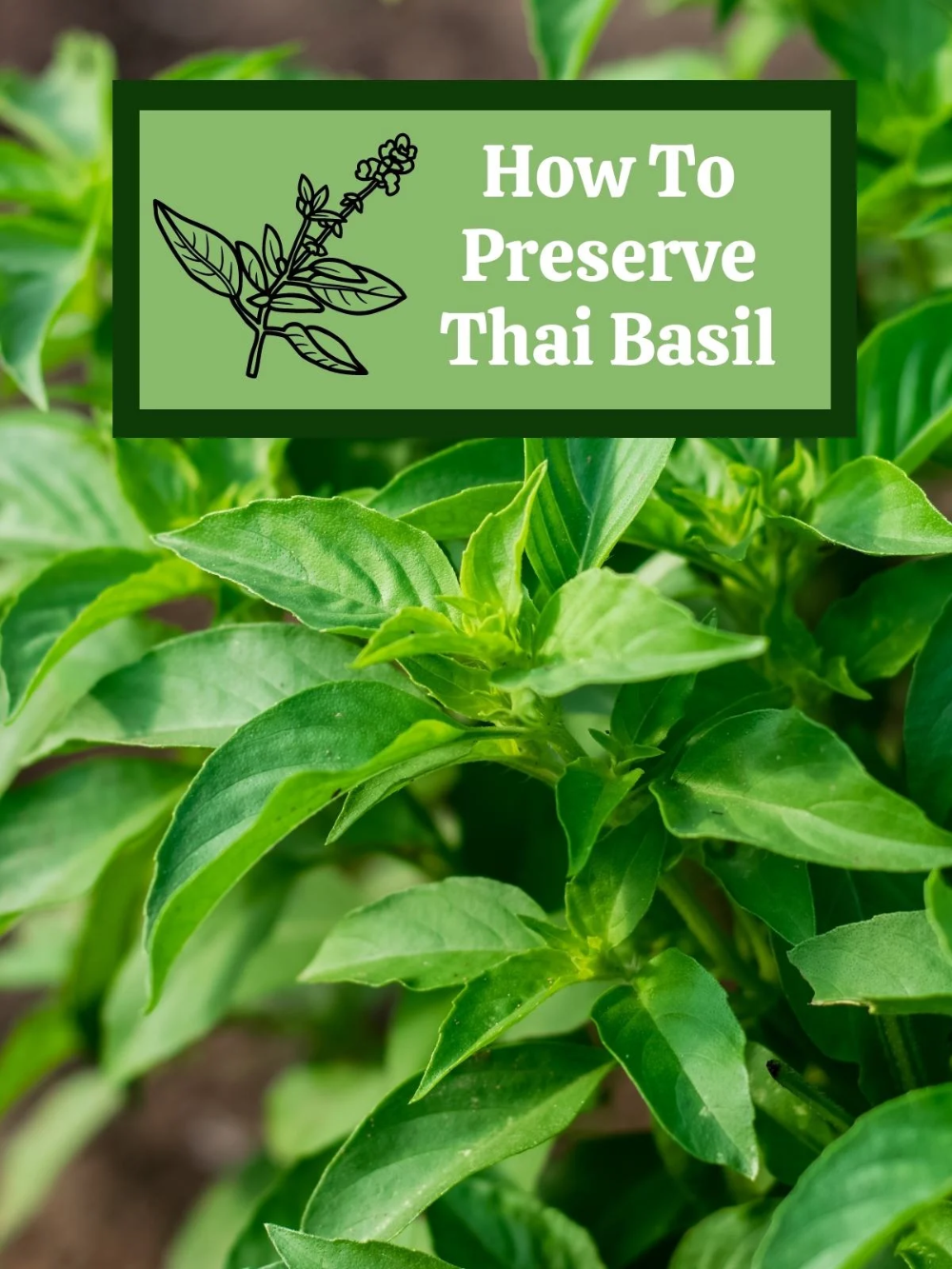
The aroma hits you first, a complex symphony that dances between sweet anise and sharp clove, with an undercurrent of something undeniably fresh and green. It’s the scent of sun-drenched markets in Bangkok, of sizzling woks in bustling street stalls, and of home kitchens where generations have perfected the art of flavor. This is Thai basil, Ocimum basilicum var. ‘Thyrsiflora’, a vibrant, often purple-stemmed herb whose leaves are as beautiful to behold as they are potent on the palate.
For many, Thai basil is simply a garnish, a final flourish to a bowl of pho or a plate of pad krapow. Its distinctive flavor profile, marked by the presence of eugenol (also found in cloves) and anethole (reminiscent of licorice), sets it apart from its Italian sweet basil cousin. It’s an indispensable cornerstone of Southeast Asian cuisine, a culinary ambassador that instantly transports you to another world. Yet, to relegate Thai basil solely to the realm of flavor would be to miss a profound truth, a narrative woven through centuries of traditional wisdom and increasingly affirmed by modern scientific inquiry.
My own journey with Thai basil began, like many, at a vibrant street food stall. The vendor, an elderly woman with eyes that sparkled with ancient knowledge, carefully tore a handful of the fragrant leaves, adding them just before serving a fiery green curry. "It’s not just for taste," she had murmured in broken English, gesturing vaguely towards her chest and head. "It brings balance." At the time, I attributed it to culinary philosophy. Now, I understand she was hinting at a deeper, more intricate story – one of healing, resilience, and vitality.
Beyond its undeniable culinary charm, Thai basil harbors a treasure trove of health benefits, often overlooked in the shadow of its more famous medicinal relatives or more aggressively marketed superfoods. It is, in essence, a quiet powerhouse, a botanical ally that offers a surprising array of advantages for both body and mind. This article isn’t just about listing facts; it’s an invitation to embark on a journey of discovery, to peel back the layers of this unassuming herb and unveil five compelling, often surprising, reasons why you should be adding more Thai basil to your daily diet. Prepare to view this vibrant green leaf not just as an ingredient, but as an integral thread in the tapestry of your well-being.
1. The Aromatic Anchor: Stress Reduction and Mood Enhancement
In our perpetually accelerating world, stress has become an unwelcome companion, a constant hum beneath the surface of daily life. We seek solace in various forms – meditation, exercise, deep breathing – but often overlook the subtle yet profound power of the plant kingdom. Thai basil, with its unique aromatic profile, offers an unexpectedly potent balm for the modern soul, acting as a natural anxiolytic and mood enhancer.
The "story" of Thai basil as a stress reducer begins with its very essence: its volatile oils. The dominant compound, eugenol, alongside anethole and estragole, creates an olfactory experience that is both grounding and uplifting. When we inhale these compounds, they interact with our limbic system – the part of the brain responsible for emotion, memory, and motivation. This isn’t just a pleasant smell; it’s a biochemical conversation with our nervous system. Eugenol, in particular, has been studied for its potential to modulate neurotransmitter activity, including serotonin and dopamine, often referred to as our "feel-good" hormones. The subtle stimulation of these pathways can lead to a sense of calm, reduced anxiety, and an overall improvement in mood.
Historically, various forms of basil, including Thai basil, have been revered in traditional medicine systems for their adaptogenic qualities. While holy basil (Tulsi) is more widely recognized as an adaptogen, Thai basil shares some of these properties, helping the body adapt to stressors and maintain homeostasis. In Ayurvedic practices, basil is often used to "clear the mind" and promote mental clarity, suggesting an ancient understanding of its calming yet focus-enhancing properties. Imagine a monk in a tranquil garden, breathing deeply amidst the basil plants – the wisdom of this practice resonates even today.
Modern life, with its incessant demands, often leaves us feeling overwhelmed. Incorporating Thai basil into your diet can be a simple, yet effective, ritual of self-care. Picture yourself at the end of a long day, preparing a simple infusion: steep a handful of fresh Thai basil leaves in hot water for five to ten minutes. The steam carrying the aromatic compounds rises, creating a personal aromatherapy session. As you sip the tea, the warmth and the subtle flavors work in tandem to soothe frayed nerves. This isn’t a dramatic sedative; rather, it’s a gentle anchor, pulling you back to a state of balance. Beyond tea, simply tearing fresh leaves into a salad, or letting their aroma fill the kitchen as you cook a curry, can contribute to a more relaxed atmosphere. It’s a small, daily act of self-kindness, harnessing the emerald whisper of this herb to quiet the internal din and cultivate a more serene mental landscape.
2. The Green Anti-Inflammatory: Potent Pain Relief and Cellular Protection
Inflammation, in its acute form, is the body’s vital defense mechanism, rushing to heal injuries and fend off pathogens. However, chronic inflammation is a silent saboteur, implicated in a myriad of modern diseases ranging from arthritis and heart disease to certain cancers. While we often reach for pharmaceutical solutions, nature frequently provides powerful, gentler alternatives. Thai basil, unassuming in its vibrant green, emerges as a surprising champion in the fight against inflammation and its associated pain.
The "story" of Thai basil’s anti-inflammatory prowess is, once again, deeply rooted in its chemical composition. Eugenol, the very compound responsible for its clove-like aroma, is a potent anti-inflammatory agent. Research has shown that eugenol can inhibit the activity of cyclooxygenase-2 (COX-2) enzymes, much like non-steroidal anti-inflammatory drugs (NSAIDs) such as ibuprofen. However, unlike synthetic drugs, eugenol in its natural, whole-plant form is believed to offer this benefit with a potentially lower risk of side effects, particularly on the gastrointestinal tract. This mechanism of action means that Thai basil isn’t just masking pain; it’s actively working to reduce the underlying inflammatory processes that cause it.
Beyond eugenol, Thai basil is rich in a spectrum of other beneficial compounds, including flavonoids like orientin and vicenin, and a host of antioxidants. These compounds work synergistically to scavenge free radicals – unstable molecules that cause oxidative stress and contribute significantly to cellular damage and inflammation. Imagine your cells as tiny, delicate structures under constant assault from environmental toxins and metabolic byproducts. The antioxidants in Thai basil act like a protective shield, neutralizing these aggressors and preserving cellular integrity.
Consider the narrative of an athlete recovering from strenuous exercise, or an individual grappling with the persistent ache of mild arthritis. While not a cure-all, regular incorporation of Thai basil can contribute to a reduction in systemic inflammation, potentially easing discomfort. Think of it added generously to a post-workout stir-fry, or brewed into a soothing tea after a long day of physical activity. In traditional Thai medicine, various basil preparations have been used topically as poultices for muscle aches and pains, further highlighting this historical understanding of its analgesic properties. The vibrant green leaves, when bruised and applied, would release their therapeutic oils, offering localized relief.
This isn’t merely about flavor anymore; it’s about harnessing a natural pharmacy found in your garden or local market. By embracing Thai basil, you’re not just adding zest to your meals; you’re infusing your body with a powerful, plant-derived defense system, helping to quell the fires of inflammation and foster a state of internal balance and comfort. It’s a gentle yet formidable guardian against the unseen threats that compromise our cellular health.
3. The Digestive Harmonizer: Blood Sugar Regulation and Gut Health
The intricate dance of digestion and metabolic regulation is central to our overall health. Imbalances in these systems can lead to a cascade of issues, from uncomfortable digestive woes to more serious conditions like type 2 diabetes. While fiber-rich vegetables and lean proteins are often highlighted, Thai basil offers a surprising and flavorful contribution to both blood sugar management and the cultivation of a healthy gut microbiome.
The "story" of Thai basil’s impact on digestion and blood sugar begins with its inherent properties. Firstly, like many herbs and vegetables, it contributes a modest amount of dietary fiber. While not a primary source, every bit counts. Fiber plays a crucial role in digestive health by adding bulk to stool, promoting regular bowel movements, and preventing constipation. It also acts as a prebiotic, feeding the beneficial bacteria in our gut microbiome. A thriving gut microbiome is increasingly recognized as fundamental to everything from immune function to mood regulation, and Thai basil, by supporting these microscopic allies, contributes to this vital ecosystem.
More surprisingly, Thai basil holds potential for blood sugar regulation. Preliminary research suggests that certain compounds in basil may help to lower blood glucose levels. While more extensive human trials are needed, the proposed mechanisms involve improving insulin sensitivity and potentially inhibiting enzymes involved in carbohydrate digestion, thus slowing the absorption of glucose into the bloodstream. Imagine the subtle intervention of a natural regulator, working quietly behind the scenes to smooth out the peaks and troughs of blood sugar after a meal. This is particularly relevant in the context of high-carbohydrate meals, where Thai basil is often traditionally paired, perhaps intuitively, by culinary cultures.
Consider the narrative of someone navigating the complexities of pre-diabetes or simply seeking to maintain stable energy levels throughout the day. Integrating Thai basil into meals, particularly those with higher carbohydrate content, could be a simple yet impactful strategy. Picture a generous handful of fresh Thai basil stirred into a hearty lentil soup or a rice noodle dish. Beyond its potential glucose-modulating effects, the essential oils in Thai basil, particularly anethole and estragole, have carminative properties. This means they can help reduce gas and bloating, easing digestive discomfort. For those who experience post-meal heaviness or indigestion, the addition of Thai basil can act as a gentle digestive aid, promoting smoother processing of food.
The tradition of consuming fresh herbs with meals in many cultures isn’t just about taste; it’s about a holistic approach to eating that supports the body’s natural processes. Thai basil embodies this wisdom. It’s not a magic bullet, but a supportive player in the orchestra of digestive and metabolic health. By inviting its unique flavor and beneficial compounds into your daily diet, you’re fostering a more harmonious internal environment, promoting stable energy, and nurturing a gut that functions optimally – a quiet revolution happening with every fragrant bite.
4. The Immune Architect: Fortifying Defenses and Antimicrobial Power
In an era where immune health has taken center stage, we are constantly seeking ways to bolster our body’s natural defenses. While vitamin C and zinc often grab the spotlight, the plant kingdom offers a vast array of lesser-known, yet equally powerful, immune-boosting allies. Thai basil, often celebrated for its flavor, harbors a robust arsenal of compounds that act as an architect for a resilient immune system and a formidable antimicrobial agent.
The "story" of Thai basil as an immune fortifier is multi-faceted, beginning with its rich antioxidant profile. Beyond the aforementioned eugenol and flavonoids, Thai basil is packed with vitamins A and K, and various anthocyanins (the pigments responsible for the purple hues often seen in its stems and flowers). Antioxidants are critical for neutralizing free radicals, which, if left unchecked, can damage immune cells and weaken the body’s ability to fight off infections. Imagine your immune cells as soldiers on the front line; antioxidants provide them with the necessary armor and support to perform their duties effectively.
Furthermore, Thai basil’s essential oils possess impressive antimicrobial properties. Eugenol, again, plays a significant role here, demonstrating activity against various bacteria, fungi, and even some viruses. Anethole and estragole also contribute to this protective effect. This isn’t just theoretical; traditional practices have long utilized basil for its antiseptic qualities. In some cultures, basil leaves were chewed or brewed into teas to combat oral infections, soothe sore throats, or even to aid in wound healing. The wisdom was intuitive: if it smells so clean and fresh, it must be doing something good to purify.
Consider the narrative of navigating cold and flu season, or simply striving for robust health in a world full of unseen pathogens. Incorporating Thai basil into your diet is akin to adding a natural, delicious layer of protection. Picture a steaming bowl of Tom Yum soup, laden with fresh Thai basil leaves, its aromatic vapors clearing your sinuses while its compounds get to work internally. Or a fresh salad generously studded with its vibrant leaves, providing a daily dose of immune-supportive nutrients. It’s not a substitute for medical care, but a proactive, enjoyable way to empower your body’s innate defenses.
The beauty of Thai basil lies in its holistic approach. It’s not just boosting one aspect of immunity; it’s providing broad-spectrum support. From fortifying cellular integrity with antioxidants to directly combating microbial invaders with its essential oils, it acts as a comprehensive guardian. It reminds us that often, the most potent medicines are found in the simplest forms, growing quietly in our gardens, waiting to be rediscovered and integrated into our modern quest for well-being. By embracing Thai basil, you’re not just savoring a taste; you’re investing in a more resilient, protected you.
5. The Cognitive Catalyst: Brain Boost and Neuroprotection
In an age defined by information overload and the constant demand for mental acuity, cognitive function and brain health have become paramount concerns. We seek clarity, focus, and memory retention, often turning to supplements or complex routines. Yet, once again, Thai basil offers a surprising and delicious pathway to support our most vital organ – the brain. It acts as a subtle cognitive catalyst, potentially enhancing mental performance and offering neuroprotective benefits.


Post Comment