From Garden to Plate: The Stress-Relieving Benefits of Growing and Eating Thai Basil
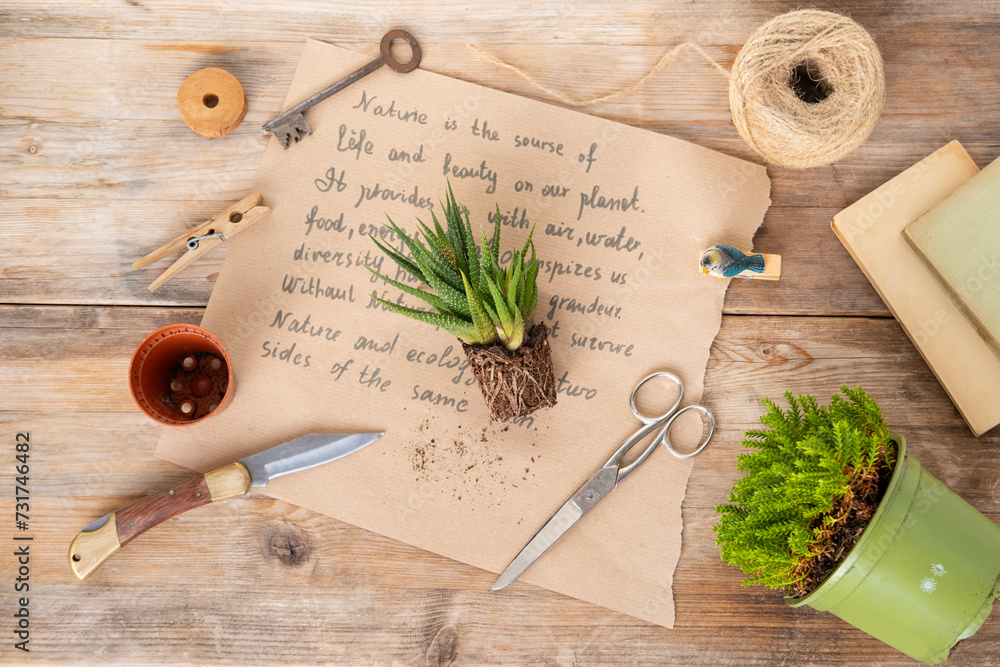
The Quiet Unfurling of Serenity
In the relentless churn of the 21st century, stress has become an unwelcome constant, an insidious hum beneath the surface of our daily lives. Deadlines loom, screens glow with an endless stream of information, and the boundaries between work and rest blur into an indistinguishable haze. We seek solace in a myriad of ways – meditation apps, rigorous exercise, exotic getaways – yet often overlook the profound, grounding wisdom found in the simplest acts of creation and sustenance. This is a story not just of an herb, but of a journey: a journey from the anxious mind to the tranquil heart, guided by the vibrant, aromatic presence of Thai basil, from the moment its tiny seed unfurls in the soil to the instant its unique flavour dances on the palate.
Imagine a life once dictated by the frantic pace of the digital world, a life where the default state was a low-grade hum of anxiety. This was the reality for many, including a fictionalized composite character we might call Alex, a software developer whose days were a blur of code and caffeine. Sleep was elusive, appetite erratic, and the simple joys of life often overshadowed by an impending sense of dread. One particularly draining week, while scrolling through social media during a rare break, Alex stumbled upon a post about urban gardening. A small, vibrant plant with striking purple stems and glossy green leaves caught their eye: Thai basil. Intrigued by its exotic beauty and the promise of fresh ingredients, a seed of curiosity was planted, far more significant than the tiny herb seeds that would soon follow. This initial spark marked the beginning of a transformation, a quiet revolution cultivated in a small balcony garden, culminating in a profound reconnection with self and nature.
Chapter 1: The Allure of the Garden – Cultivating Calm
The act of gardening, in its essence, is a profound antidote to the modern condition. It demands presence, patience, and a willingness to surrender to the rhythms of the natural world. For Alex, the decision to grow Thai basil was initially pragmatic – a desire for fresh ingredients for their newfound love of Thai cuisine. But what began as a culinary pursuit quickly evolved into something far deeper: a form of active meditation, a tactile therapy for a mind overstimulated and overwhelmed.
The Mindful Act of Cultivation:
The first step was acquiring seeds and a simple terracotta pot. The process itself was a lesson in mindfulness. The gentle sifting of potting mix through fingers, the earthy scent awakening dormant senses, the careful placement of tiny, almost invisible seeds, each a promise of future life. There was no instant gratification here, only the quiet anticipation. Watering became a ritual, a moment of focused attention where the gentle trickle of water on soil drowned out the mental chatter. Alex would observe the way the water was absorbed, the subtle changes in the soil’s colour, the nascent strength of the tiny sprouts pushing through the earth. This wasn’t just tending to a plant; it was tending to their own inner landscape.
The beauty of Thai basil, specifically, lies in its remarkable accessibility for even the most novice gardener. It is a forgiving plant, resilient and eager to grow, offering quick rewards that are crucial for maintaining motivation in a stress-relief endeavour. Unlike some finicky herbs, Thai basil thrives with moderate attention, making it an ideal companion for those grappling with the mental energy drain of stress. Its robust nature builds confidence, turning potential gardening frustrations into small victories.
A Symphony for the Senses (Pre-Harvest):
Even before the first harvest, Thai basil offers a multi-sensory experience that engages and calms. Visually, its striking appearance is a feast for the eyes. The deep purple hue of its stems provides a dramatic contrast to the vibrant, almost luminous green of its pointed leaves. As the plant matures, the occasional appearance of delicate purple flower spikes adds another layer of aesthetic appeal, attracting beneficial pollinators and reminding the gardener of the plant’s full life cycle.
But it is the aroma that truly sets Thai basil apart, even in its potted state. A gentle brush against its leaves releases an intoxicating fragrance that hints at its complex flavour profile. This scent, a precursor to its culinary delights, is an immediate portal to a calmer state. It’s an earthy, slightly sweet aroma, interwoven with distinct notes of anise and a subtle peppery undertone. For Alex, a simple walk past the growing basil plant on the balcony became a small ritual, a moment to inhale deeply and feel the tension in their shoulders subtly ease. This direct connection with the plant, through sight and smell, began to re-establish a primal bond with nature, a grounding force often lost in urban environments.
The patient process of nurturing, of watching a seed transform into a vibrant, thriving plant, instilled a profound sense of accomplishment. Each new leaf, each strengthening stem, was a testament to dedication and the power of simple, consistent care. This gentle engagement with life, devoid of deadlines or performance metrics, offered a sanctuary where the only goal was growth – both for the plant and for the gardener’s soul. In the quiet unfurling of the basil leaves, Alex found a mirroring of their own inner quietude, slowly but surely unfurling.
Chapter 2: The Scent of Serenity – The Aromatic Alchemy of Thai Basil
The human sense of smell is arguably our most direct link to memory and emotion. Unlike other senses, olfactory signals bypass the thalamus, the brain’s relay station, and go directly to the limbic system, the ancient part of the brain responsible for emotions, motivation, and memory. This direct pathway explains why a particular scent can instantly transport us back to a specific time or place, evoking powerful feelings and recollections. It is this profound connection that underpins the therapeutic power of aromatherapy, and why the unique fragrance of Thai basil holds such potent stress-relieving capabilities.
Thai Basil’s Unique Aromatic Profile:
The aroma of Thai basil (specifically Ocimum basilicum var. ‘thyrsiflora’) is a complex tapestry of scents, distinct from its more common cousin, sweet basil, and its potent adaptogenic relative, holy basil (Tulsi). Its signature note is a pronounced anise or licorice-like sweetness, often described as spicy and slightly peppery, with underlying hints of clove and mint. This multi-layered fragrance is not merely pleasant; it is a sophisticated blend of volatile organic compounds that interact with our physiology.
Key aromatic compounds found in Thai basil include:
- Eugenol: Also present in cloves, eugenol is known for its analgesic, anti-inflammatory, and antiseptic properties. Its scent contributes to the warm, spicy notes in basil and has been associated with calming effects.
- Methyl Chavicol (Estragole): This compound is largely responsible for the distinctive anise-like aroma of Thai basil. It contributes to a sense of sweetness and freshness and has been explored for its potential sedative qualities.
- Linalool: A common terpene found in many flowers and spice plants, linalool is widely recognized for its anxiolytic (anxiety-reducing) and sedative properties. Its presence adds a subtle floral, woody note to the basil’s overall fragrance.
Mechanisms of Aromatic Stress Reduction:
For Alex, the aromatic journey with Thai basil began with casual brushes against the plant, releasing its perfume into the air. Soon, it became a deliberate act: gently crushing a leaf between their fingers, bringing it to their nose, and inhaling deeply. This simple action triggered a cascade of physiological responses. The inhalation of these compounds directly stimulated the olfactory receptors, sending signals to the limbic system. The anise and linalool, in particular, seemed to whisper a message of calm to Alex’s stressed nervous system.
The beauty of Thai basil’s aroma is that its benefits are not confined to direct inhalation. As Alex began to harvest and cook with the basil, the entire kitchen would fill with its inviting scent. This ambient aroma created a therapeutic atmosphere, transforming the often-stressful act of meal preparation into a soothing, sensory experience. The fragrance became inextricably linked with comfort, nourishment, and home, forging new, positive neural pathways.
Furthermore, the unique scent of Thai basil can act as an anchor, a sensory cue that pulls one back to the present moment. In a world where our minds often wander, replaying past worries or anticipating future anxieties, a distinct and pleasing aroma can cut through the mental noise, grounding us firmly in the here and now. For Alex, the scent of their homegrown basil became a gentle reminder to breathe, to pause, and to reconnect with the simple pleasure of their senses. It was a silent, potent ally in the daily battle against mental fatigue and emotional overwhelm, a fragrant balm for a weary soul.
Chapter 3: The Culinary Comfort – From Harvest to Healing Plate
The journey of Thai basil from garden to plate is where its stress-relieving benefits culminate, transforming raw ingredients into a deeply nourishing and therapeutic experience. This chapter details the powerful interplay of mindful harvesting, the meditative act of cooking, and the profound satisfaction of savoring a meal infused with the herb’s unique magic.
The Ritual of Harvesting:


Post Comment