The Detox Secret: Why Your Liver Loves a Little Extra Garlic
Introduction: The Unsung Hero and the Burdened Organ
In the bustling symphony of our modern lives, where processed foods, environmental pollutants, and chronic stress often play the discordant notes, one organ stands as the tireless, unsung hero: the liver. A marvel of biological engineering, this reddish-brown organ, nestled beneath our right rib cage, performs over 500 vital functions, from synthesizing proteins and storing vitamins to metabolizing drugs and regulating blood sugar. But perhaps its most celebrated, yet often challenged, role is that of the body’s master detoxifier. It is the vigilant gatekeeper, sifting through every substance that enters our bloodstream, meticulously neutralizing toxins and preparing them for elimination.
Yet, this vital engine, like any overworked machine, can groan under the relentless burden of contemporary living. Our livers are increasingly exposed to a cocktail of xenobiotics – foreign substances – from pesticides in our food to plastics in our water, volatile organic compounds in our air, and even the metabolic byproducts of our own stressed bodies. The concept of "detox" has become a cultural phenomenon, often chasing fads and fleeting trends. But what if the true secret to supporting our liver’s innate detoxification prowess lay not in exotic supplements or extreme fasts, but in a humble, pungent bulb that has graced human kitchens and apothecaries for millennia?
This is the story of garlic – Allium sativum – a culinary staple often relegated to the background, yet possessing a profound and scientifically validated ability to nourish, protect, and empower our liver. It’s a tale of ancient wisdom meeting modern science, revealing why your liver doesn’t just tolerate a little extra garlic; it truly loves it. And understanding this love affair is the real detox secret.
A Journey Through Time: Garlic’s Ancient Pedigree
To truly appreciate garlic’s profound connection with human health, we must first embark on a journey through time, tracing its footsteps across civilizations. Garlic is no newcomer to the medicinal stage. Its pungent aroma and potent properties have captivated healers and homemakers for over 5,000 years, establishing it as one of the most consistently revered medicinal plants in human history.
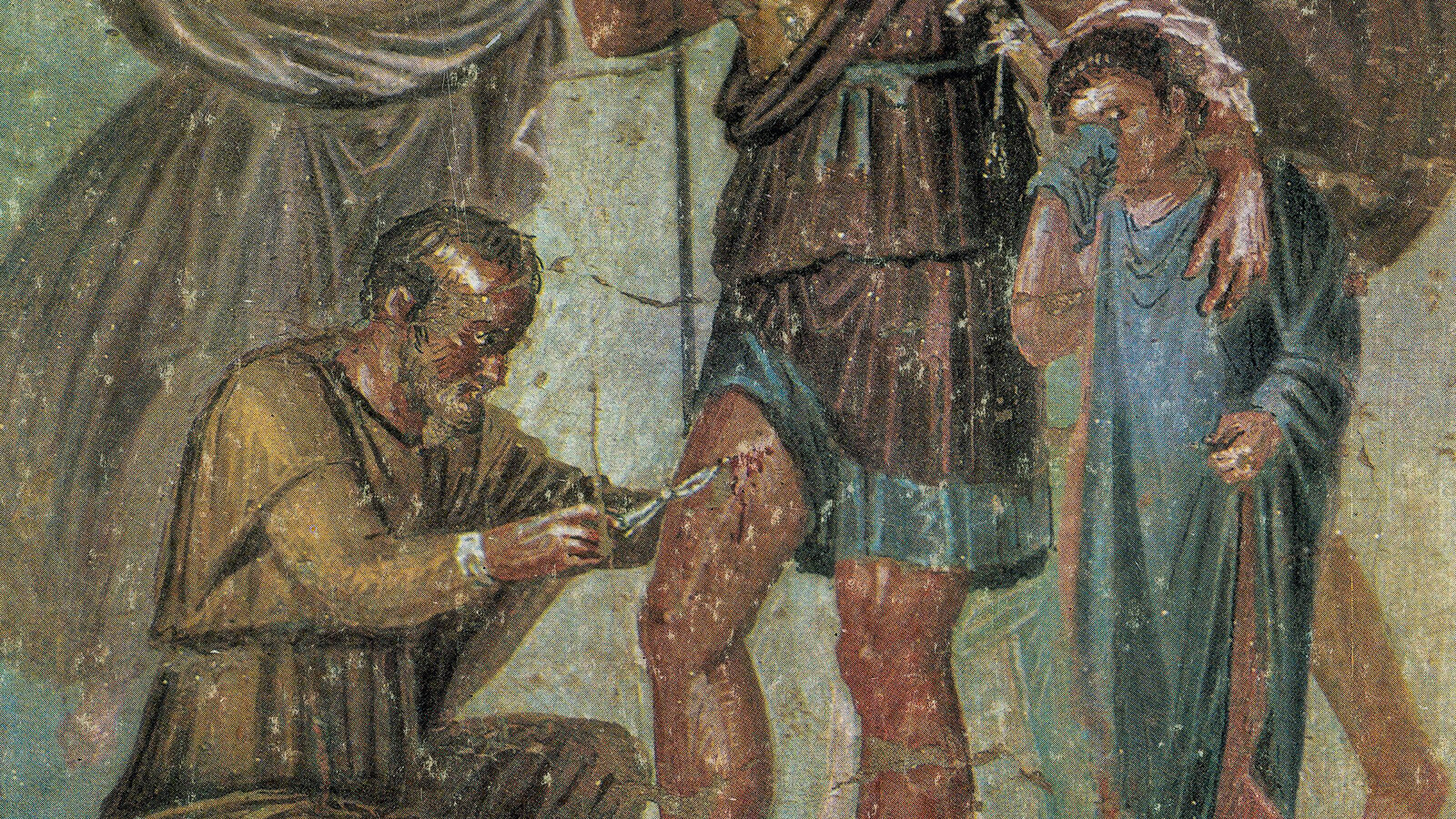
The story begins in Central Asia, the presumed origin of wild garlic, before spreading across the globe like a whispered secret. Ancient Egyptians, renowned for their sophisticated understanding of medicine and anatomy, held garlic in high esteem. It was fed to the pyramid builders to enhance their strength and ward off illness, believed to provide both physical endurance and protection against parasites. Hieroglyphs and papyri, such as the famous Codex Ebers dating back to 1550 BC, list garlic as a remedy for a remarkable array of ailments, from headaches and worms to heart problems and tumors.
The Greeks, too, embraced garlic. Hippocrates, the father of Western medicine, prescribed it for infections, digestive disorders, and even as a purgative for cleansing. Roman soldiers consumed it for courage and strength before battle, and Pliny the Elder documented its use for over 60 conditions. In ancient China and India, traditional medicine systems integrated garlic deeply into their pharmacopeias, recognizing its warming properties, its ability to "clear toxins," and its efficacy against various infections and digestive complaints. The Indian Ayurvedic tradition still extols garlic for its detoxifying and rejuvenating qualities, particularly for conditions related to imbalances in the Vata and Kapha doshas.
Throughout the Middle Ages, as plagues swept across Europe, garlic earned a reputation as a powerful prophylactic. Folk healers and physicians alike relied on its antimicrobial properties, often adorning doors with garlands of garlic to ward off disease. This enduring legacy, passed down through generations, is a testament to garlic’s consistent performance and perceived efficacy long before the advent of modern scientific validation. It laid the groundwork, suggesting that this humble bulb possessed a profound capacity to interact with the body’s intrinsic healing and protective mechanisms – mechanisms that we now understand are intrinsically linked to liver function.
The Liver: Our Internal Alchemist – A Deep Dive into Detoxification
Before we delve into the molecular dance between garlic and the liver, it’s crucial for our knowledgeable audience to grasp the intricate choreography of hepatic detoxification itself. The liver isn’t just a filter; it’s a sophisticated chemical processing plant, a master alchemist transforming harmful substances into benign, excretable forms. This process is broadly categorized into two main phases, both essential and interconnected.
Phase I Detoxification: The Oxidation Station
Imagine Phase I as the initial scouting mission. Here, a group of enzymes, predominantly the cytochrome P450 (CYP450) family, takes lipophilic (fat-soluble) toxins – the vast majority of environmental pollutants, drugs, and metabolic waste products – and chemically modifies them. This modification typically involves oxidation, reduction, or hydrolysis, adding a reactive "handle" or making the molecule slightly more water-soluble.
The goal of Phase I is to prepare these toxins for Phase II. However, there’s a critical caveat: the intermediates created in Phase I are often more reactive and potentially more damaging than the original toxins. These reactive oxygen species (ROS) and free radicals can cause oxidative stress, leading to cellular damage if not quickly neutralized. This is why a well-functioning Phase II is paramount. If Phase I proceeds too rapidly or Phase II is sluggish, these toxic intermediates can accumulate, creating a bottleneck and exacerbating liver stress.
Phase II Detoxification: The Conjugation Carousel
Phase II is the conjugation phase, where the liver essentially "tags" the modified toxins from Phase I (or sometimes directly from their original form) with a water-soluble molecule. This tagging process, known as conjugation, neutralizes the reactive intermediates and makes them significantly more water-soluble, allowing them to be safely excreted from the body via bile (into the feces) or urine (via the kidneys).
Key Phase II enzyme systems include:
- Glutathione S-transferases (GSTs): These enzymes attach glutathione, a powerful antioxidant and detoxifier, to toxins. Glutathione conjugation is crucial for detoxifying heavy metals, pesticides, and many carcinogens.
- UDP-glucuronosyltransferases (UGTs): These enzymes attach glucuronic acid to toxins, a process called glucuronidation. This is a major pathway for detoxifying steroid hormones, bilirubin, and many drugs.
- Sulfotransferases (SULTs): These enzymes attach sulfate groups to toxins, known as sulfation. This pathway is important for detoxifying neurotransmitters, hormones, and various drugs.
- N-acetyltransferases (NATs): These enzymes add an acetyl group, important for detoxifying certain drugs and environmental amines.
- Methyltransferases (MTs): These enzymes add a methyl group, involved in detoxifying hormones and heavy metals.
The efficiency of both Phase I and Phase II is influenced by genetics, nutritional status, lifestyle, and environmental exposures. Micronutrients like B vitamins, magnesium, selenium, and particularly amino acids like cysteine, glycine, and glutamine (the precursors to glutathione) are essential cofactors. When this delicate balance is disrupted, the liver struggles, leading to a build-up of toxins that can manifest as fatigue, skin issues, hormonal imbalances, and a host of chronic diseases. This deep understanding of the liver’s dual-phase detoxification process is the lens through which we can now fully appreciate garlic’s profound "love letter" to our most vital internal alchemist.
Unveiling the "Secret": Garlic’s Molecular Arsenal
The true secret behind garlic’s detox prowess lies in its extraordinary biochemical composition, particularly its rich array of organosulfur compounds (OSCs). These sulfur-containing molecules are not only responsible for garlic’s characteristic pungent aroma and flavor but are also the primary architects of its therapeutic effects.
The magic begins when garlic is crushed, chopped, or chewed. An enzyme called alliinase, stored separately within the garlic clove, comes into contact with alliin, a sulfur-containing amino acid. This enzymatic reaction rapidly converts alliin into allicin, the compound responsible for garlic’s immediate, sharp smell and many of its acute biological activities. Allicin, however, is highly unstable and quickly breaks down into a cascade of other beneficial OSCs, including:

Post Comment