The Fiery Frontier: How Jalapeños Unfold a Story of Metabolic Resilience
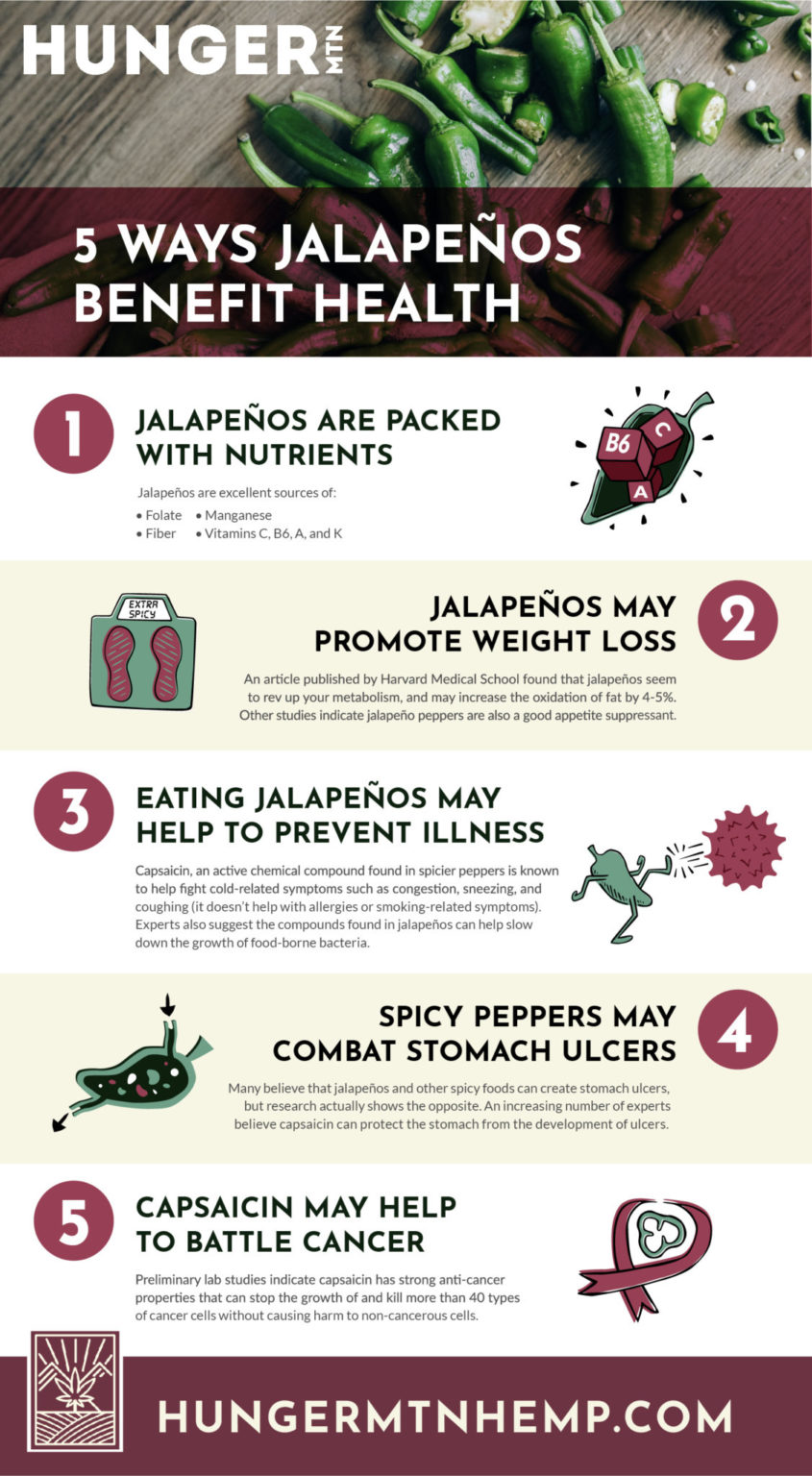
In the vibrant tapestry of global cuisine, few ingredients possess the unassuming power and ubiquitous presence of the jalapeño. From sizzling street tacos to gourmet culinary creations, its characteristic heat and fresh, verdant crunch have captivated palates for centuries. Yet, beyond its immediate sensory thrill, the jalapeño harbors a profound secret – a narrative of metabolic support woven into its very cellular structure, waiting to be fully appreciated by the discerning mind. This isn’t merely a tale of a spicy pepper; it’s the unfolding story of how a humble fruit of the Capsicum annuum plant acts as a silent, yet potent, ally in our quest for optimal metabolic health.
For the knowledgeable audience, the concept of metabolic health resonates deeply. It’s a holistic state where the body’s intricate biochemical processes – energy production, glucose regulation, lipid metabolism, and inflammatory responses – function harmoniously, minimizing the risk of chronic diseases like type 2 diabetes, cardiovascular disease, and obesity. In an era where metabolic dysfunction is alarmingly prevalent, understanding how readily available whole foods can contribute to resilience becomes paramount. The jalapeño, with its fiery heart of capsaicin and a rich entourage of supporting compounds, emerges as a compelling protagonist in this critical health narrative.
The Protagonist Revealed: Capsaicin – The Architect of Heat and Health
At the core of the jalapeño’s metabolic prowess lies capsaicin, the primary capsaicinoid responsible for its characteristic pungency. For millennia, capsaicin was understood primarily through its sensory impact – the immediate rush of warmth, sometimes bordering on pain, that signals its presence. But modern science has peeled back the layers of this initial perception, revealing a sophisticated biochemical messenger that interacts with our physiology in remarkably beneficial ways.
The story of capsaicin begins with its interaction with a specific protein receptor known as Transient Receptor Potential Vanilloid 1, or TRPV1. Found abundantly in nerve endings throughout the body, including the mouth, skin, and gastrointestinal tract, TRPV1 is often dubbed the "capsaicin receptor" or "heat receptor." When capsaicin binds to TRPV1, it triggers a cascade of cellular events, initially perceived as a burning sensation. This initial ‘story starter’ is crucial, as it sets in motion a series of systemic responses that extend far beyond mere sensory perception, profoundly influencing various facets of metabolic regulation. It’s a beautiful example of how an evolutionary defense mechanism (the pepper’s heat deterring predators) can be harnessed for human health benefits.
Chapter 1: Igniting the Inner Furnace – Thermogenesis and Energy Expenditure
One of the most well-documented metabolic benefits of capsaicin is its ability to induce thermogenesis – the process of heat production in the body. This isn’t just about feeling warm; it’s about actively increasing energy expenditure. When capsaicin activates TRPV1 receptors, particularly those in the gastrointestinal tract, it sends signals to the nervous system, prompting the release of catecholamines like adrenaline and noradrenaline. These hormones act as metabolic accelerators, increasing heart rate, respiration, and crucially, stimulating the body to burn more calories.
The narrative deepens with the discovery of brown adipose tissue (BAT), often referred to as "good fat." Unlike white adipose tissue (WAT), which stores energy, BAT is specialized in burning fat to generate heat, a process known as non-shivering thermogenesis. Newborns and hibernating animals have abundant BAT, but it was once thought to be negligible in adult humans. Recent research, however, has revealed that adults do possess active BAT, and its activity can be stimulated. Capsaicin has emerged as a key player in this story. By activating TRPV1 receptors, capsaicin can directly stimulate BAT activity, effectively turning up the body’s internal thermostat and increasing the rate at which calories are expended. Furthermore, some studies suggest that capsaicin may even promote the "browning" of white adipose tissue, transforming energy-storing fat cells into energy-burning, thermogenic cells, blurring the lines between these traditionally distinct fat types and offering a novel pathway for weight management.
This increased energy expenditure, while perhaps modest in a single serving, contributes cumulatively over time. It’s not a magic bullet, but rather a consistent whisper to the metabolism to work a little harder, a little more efficiently, nudging the energy balance equation in a favorable direction. For those seeking to manage weight or prevent its accumulation, this sustained, subtle increase in calorie burning represents a significant advantage, a quiet triumph in the ongoing battle against metabolic slowdown.
Chapter 2: A Symphony of Satiety – Regulating Appetite and Intake
The story of metabolic health is incomplete without addressing appetite and food intake. Overconsumption is a primary driver of obesity and subsequent metabolic dysfunction. Here, too, the jalapeño plays a pivotal role, influencing the intricate dance of hunger and satiety hormones.
Capsaicin’s interaction with TRPV1 receptors in the gut is not just about thermogenesis; it also profoundly impacts gut-brain signaling. This interaction can lead to the release of satiety-inducing hormones such as glucagon-like peptide-1 (GLP-1) and peptide YY (PYY). GLP-1, famously targeted by some diabetes medications, slows gastric emptying, promotes insulin secretion, and signals fullness to the brain. PYY also contributes to feelings of satiety and reduces appetite. Conversely, capsaicin has been shown to potentially reduce levels of ghrelin, often dubbed the "hunger hormone," which stimulates appetite.
The immediate sensory experience of spiciness itself can also play a psychological role. The intense flavor and heat of jalapeños can slow down eating, allowing more time for satiety signals to register with the brain. It’s a multi-pronged approach: physiological hormonal shifts combined with behavioral modifications, all contributing to a reduced caloric intake. This narrative thread highlights the jalapeño’s ability to act as a natural appetite modulator, helping individuals feel fuller, longer, and potentially consume fewer calories without feeling deprived – a critical component in the story of sustainable weight management and metabolic equilibrium.
Chapter 3: Balancing the Blood Sugar Scale – Insulin Sensitivity and Glucose Homeostasis
Perhaps one of the most compelling chapters in the jalapeño’s metabolic story is its influence on blood sugar regulation and insulin sensitivity. Insulin resistance, a hallmark of metabolic syndrome and type 2 diabetes, occurs when the body’s cells become less responsive to insulin, leading to elevated blood glucose levels. Capsaicin appears to offer multiple mechanisms to counteract this dysfunction.
Firstly, studies suggest that capsaicin can improve glucose uptake by muscle cells. Muscle is a major site of glucose disposal, and enhanced uptake means more sugar is cleared from the bloodstream, preventing hyperglycemic spikes. This action is crucial for maintaining stable blood sugar levels.
Secondly, capsaicin may reduce hepatic glucose production. The liver plays a significant role in releasing glucose into the bloodstream, especially during fasting. By modulating liver function, capsaicin can help prevent excessive glucose output, thereby contributing to better glycemic control.
Thirdly, there’s evidence that capsaicin can influence pancreatic beta-cell function. These cells are responsible for producing and secreting insulin. While the precise mechanisms are complex and may involve biphasic effects (acute stimulation followed by potential desensitization with chronic high doses), overall, research points towards capsaicin’s ability to support healthy insulin secretion in response to glucose. The TRPV1 receptors are present in pancreatic islets, suggesting a direct role for capsaicin in modulating their function.
By improving insulin sensitivity, enhancing glucose disposal, and potentially modulating insulin secretion, jalapeños offer a natural dietary tool to help maintain stable blood sugar levels, a foundational pillar of metabolic health and a proactive defense against the progression towards type 2 diabetes. This chapter emphasizes the jalapeño’s role not just in weight management, but in directly addressing one of the core dysfunctions of modern metabolic disease.
Chapter 4: Lipid Landscapes and Cardiovascular Currents – A Heartfelt Connection
The story of metabolic health is inextricably linked to cardiovascular health, with dyslipidemia (abnormal lipid profiles) being a common thread in metabolic syndrome. Elevated LDL (bad) cholesterol, low HDL (good) cholesterol, and high triglycerides are all risk factors for heart disease. Here, the jalapeño continues its multifaceted narrative.
Research indicates that capsaicin can positively influence lipid metabolism. It may contribute to the reduction of circulating LDL cholesterol and triglycerides, while potentially increasing beneficial HDL cholesterol levels. These effects are thought to be mediated through various pathways, including enhancing the activity of enzymes involved in fat breakdown and reducing the synthesis of cholesterol in the liver.
Furthermore, the anti-inflammatory and antioxidant properties of capsaicin (which we’ll explore further) contribute to its anti-atherogenic effects. Chronic inflammation and oxidative stress are key drivers of plaque formation in arteries, a process known as atherosclerosis. By mitigating these factors, capsaicin helps protect the vascular endothelium, keeping blood vessels healthy and pliable.
Beyond lipids, capsaicin has also been shown to promote vasodilation – the widening of blood vessels – through the production of nitric oxide. This can lead to a modest reduction in blood pressure, an essential component of cardiovascular health and another vital aspect of overall metabolic well-being. The jalapeño, therefore, doesn’t just manage energy and glucose; it actively nurtures the very conduits of life, ensuring a smoother flow through the body’s intricate systems.
Chapter 5: The Supporting Cast – Beyond Capsaicin’s Fiery Spotlight
While capsaicin is undoubtedly the star of this metabolic narrative, the jalapeño is a complex whole food, and its benefits are amplified by a rich ensemble of other bioactive compounds. These supporting characters play crucial roles, often synergistically enhancing the effects of capsaicin.
A. Antioxidants: Battling Oxidative Stress
Jalapeños are abundant in antioxidants, including flavonoids, vitamin C, and various carotenoids (like beta-carotene and lutein). Oxidative stress, caused by an imbalance between free radical production and the body’s ability to neutralize them, is a fundamental driver of inflammation, insulin resistance, and cellular damage across the metabolic spectrum. These antioxidants act as cellular bodyguards, neutralizing harmful free radicals and protecting cells from damage. By reducing oxidative stress, they create a more conducive environment for metabolic processes to function optimally, reinforcing capsaicin’s actions and contributing to overall cellular resilience.
B. Dietary Fiber: The Gut’s Best Friend




Post Comment