The Alchemist’s Bulb: Unveiling Garlic’s Secrets, Raw and Refined
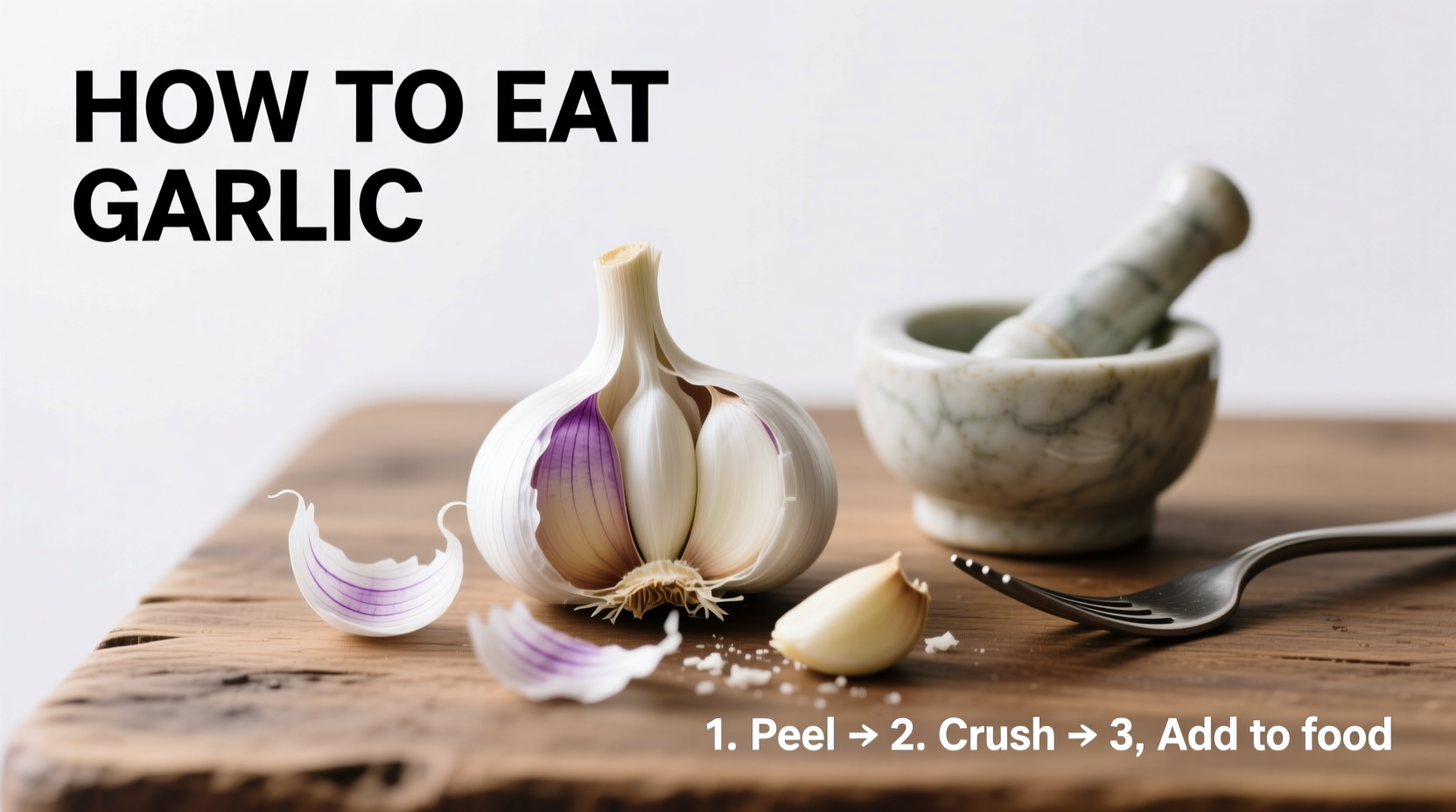
In the pantheon of culinary and medicinal wonders, few ingredients command the reverence and mystery of garlic. From the ancient pyramids of Egypt, where laborers consumed it for strength, to the battlefields of Rome, where soldiers chewed it for courage, and the plague-ridden streets of medieval Europe, where it warded off unseen evils, Allium sativum has been more than just a seasoning. It is a story whispered through millennia, a testament to nature’s potent pharmacy, encased within a humble bulb.
Yet, for all its storied past and undeniable power, a persistent question echoes through modern kitchens and scientific laboratories alike: how do we truly unlock its maximum health benefits? Is the pungent, fiery bite of raw garlic the key, a direct conduit to its most potent compounds? Or does the sweet, mellow transformation wrought by heat reveal a different, perhaps equally vital, spectrum of its healing essence? This is not merely a culinary debate; it is a fascinating journey into biochemistry, tradition, and the art of mindful preparation. To truly understand, we must peel back the layers, much like the clove itself, and delve into the very heart of garlic’s alchemical magic.
The Heart of the Matter: Garlic’s Bioactive Symphony
Before we can dissect the impact of heat or its absence, we must first understand the players within garlic’s complex chemical orchestra. The health benefits attributed to garlic are not the work of a single compound, but rather a symphony of sulfur-containing molecules, flavonoids, and other micronutrients, each playing a crucial role.
At the epicenter of garlic’s raw power lies a precursor compound called alliin. This odorless amino acid sits dormant within the garlic cells, a loaded spring waiting for release. Its transformation is initiated by a remarkable enzyme, alliinase, which is also present in garlic but segregated in separate compartments within the plant’s cells. It’s a clever defense mechanism, ensuring that the potent compounds are only unleashed when the plant is damaged – say, by a hungry pest, or by a chef’s knife.
When garlic is crushed, minced, or chopped, the cell walls are ruptured, bringing alliin and alliinase into contact. This enzymatic reaction is rapid and dramatic, producing the legendary allicin. Allicin is the superstar of raw garlic, responsible for its characteristic pungent aroma and a significant portion of its immediate health benefits. However, allicin is notoriously unstable. It’s a volatile compound, a fleeting genius, that quickly breaks down into a host of other beneficial organosulfur compounds. These include:
- Diallyl disulfide (DADS)
- Diallyl trisulfide (DATS)
- Ajoene
- Vinyl dithiins
- S-allyl cysteine (SAC)
- S-allyl mercaptocysteine (SAMC)
While allicin is often touted as the primary active compound, it’s crucial to understand that its brief existence gives birth to this diverse family of sulfur compounds, many of which also possess significant biological activity. Beyond these sulfur marvels, garlic also offers a supporting cast of nutrients: manganese, vitamin B6, vitamin C, selenium, and various flavonoids, all contributing to its overall health profile. The interplay of these compounds is what makes garlic such a formidable ally for human health.
The Raw Powerhouse: Unlocking Allicin’s Untamed Fury
Imagine a wild, untamed river, coursing with raw energy. This is raw garlic. When you crush a clove, you’re essentially unleashing a torrent of allicin and its immediate breakdown products. The enzymatic conversion of alliin to allicin is swift, reaching its peak within minutes of mechanical damage.
The Mechanism of Raw Potency:
The key to maximizing allicin in raw garlic lies in how it’s prepared. Simply slicing garlic offers some benefit, but true power comes from crushing, mincing, or grating. These actions maximize the disruption of cell walls, ensuring alliin and alliinase thoroughly mix. Furthermore, a crucial step often overlooked is the "rest period." After crushing or mincing, allowing the garlic to sit for 10-15 minutes before consumption or combining with other ingredients significantly enhances allicin formation. This short wait allows the enzymatic reaction to fully complete before stomach acids or other food components might inhibit it.
Benefits Associated with Raw Garlic (Allicin-centric):
-
Cardiovascular Guardian: Raw garlic is celebrated for its profound impact on heart health. Allicin and its derivatives are potent anti-platelet agents, helping to prevent blood clots, which can lead to heart attacks and strokes. Studies have also shown raw garlic to contribute to lowering both systolic and diastolic blood pressure, improving cholesterol profiles by reducing LDL ("bad") cholesterol, and enhancing the elasticity of blood vessels. It acts like a natural angioplasty, promoting smoother blood flow.
-
Immune System Sentinel: This is where raw garlic truly shines as a preventative and combatant. Allicin is a formidable antimicrobial, antiviral, and antifungal compound. Historically, it was used as an antiseptic, and modern research confirms its broad-spectrum activity against various bacteria (including some antibiotic-resistant strains), viruses (like those causing the common cold and flu), and fungi (such as Candida albicans). Consuming raw garlic regularly can bolster the body’s defenses, making it more resilient against pathogens.
-
Anti-Cancer Potential: While research is ongoing and complex, many studies suggest raw garlic, particularly its allicin content, possesses significant anti-cancer properties. It’s believed to inhibit tumor growth, induce apoptosis (programmed cell death) in cancer cells, and prevent carcinogen activation. The sulfur compounds interfere with various stages of cancer development, particularly in gastric, colon, prostate, and breast cancers.


Post Comment