Eat Your Way to Immunity: The Beginner’s Guide to Garlic Supplementation – A Journey from Ancient Lore to Modern Science
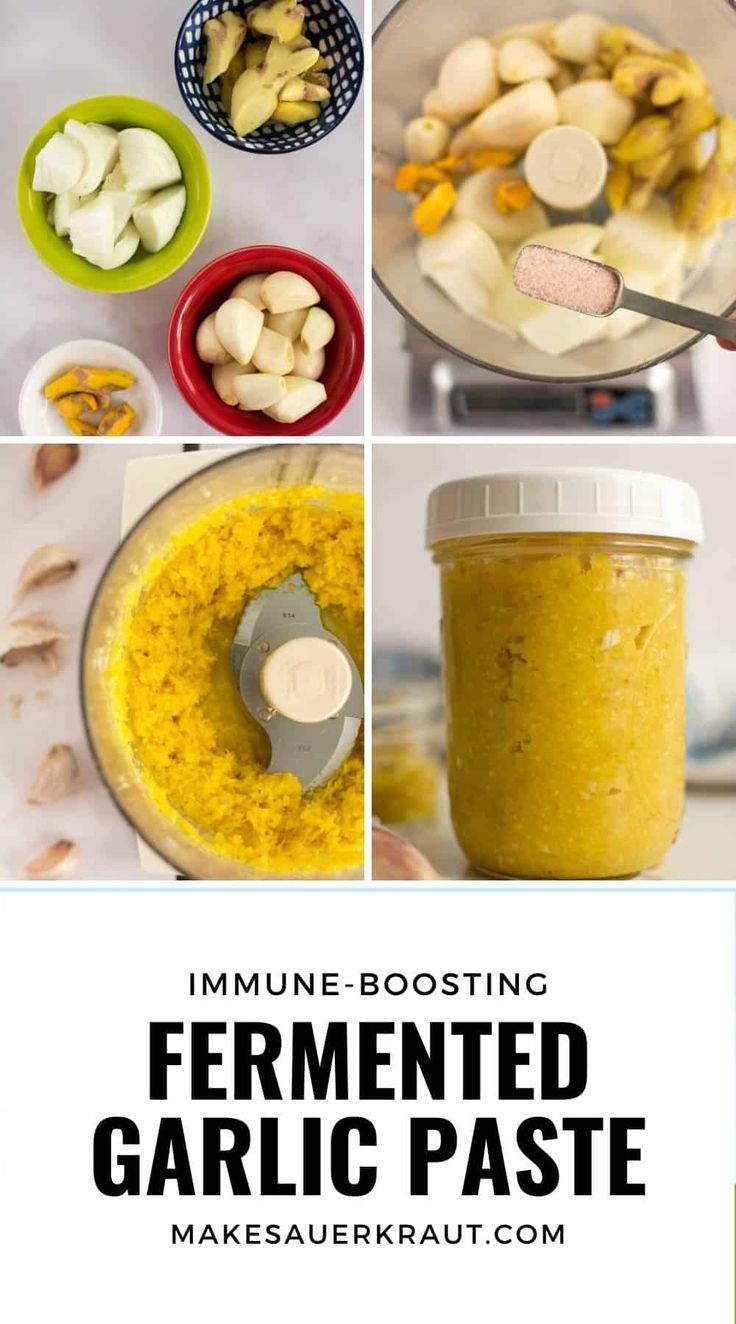
The scent of garlic, sharp and unmistakable, has permeated human history for millennia. It’s a fragrance that speaks of hearty meals, robust health, and perhaps, a touch of ancient magic. For many, garlic is merely a culinary staple, the soul of a sauté, the heart of a sauce. But for those who delve deeper, for the knowledgeable seeking nature’s profound secrets, garlic reveals itself as a pharmaceutical marvel, a potent ally in the eternal quest for robust health, particularly immunity.
This is not merely an article; it is a journey. A narrative woven through time, science, and the personal quest for optimal well-being. Imagine Dr. Aris Thorne, a contemporary researcher with a mind sharpened by skepticism and a heart open to discovery. Aris had always been drawn to the nexus where traditional wisdom met rigorous scientific inquiry. Her own immune system, like many in the modern world, had its vulnerabilities, occasionally faltering under the relentless assault of environmental stressors and unseen pathogens. It was this personal vulnerability, coupled with a deep academic curiosity, that set her on a path to explore one of humanity’s oldest remedies: garlic.
The Ancestral Whisper: Garlic Through the Ages
Aris began her exploration not in a lab, but in a library, surrounded by the hushed whispers of history. She discovered that garlic (Allium sativum) wasn’t just used in antiquity; it was revered, imbued with almost mystical properties.
Her journey began in the sun-drenched lands of ancient Egypt, where garlic was more than just a seasoning. It was a vital component of the daily diet for the pyramid builders, believed to impart strength and protect against illness. Hieroglyphs depicted garlic as a symbol of health, and cloves were even found in the tomb of Tutankhamun, perhaps to fortify him for the afterlife or simply as a testament to its value in life. The Ebers Papyrus, one of the oldest and most important medical papyri of ancient Egypt (dating back to around 1550 BC), lists garlic as a remedy for various ailments, from headaches to parasitic infections. Aris marveled at the intuitive knowledge of these ancient peoples. How did they, without microscopes or chemical assays, discern garlic’s profound benefits?
Her intellectual odyssey continued to ancient Greece. Hippocrates, the "Father of Medicine," prescribed garlic for a wide range of conditions, including pulmonary disorders, tumors, and digestive problems. Greek athletes consumed it before competitive events, believing it enhanced their performance and courage. Dioscorides, the renowned Greek physician, pharmacologist, and botanist of the 1st century AD, meticulously documented garlic’s medicinal properties in his monumental work, De Materia Medica, which served as the primary pharmaceutical text for over 1,500 years. He noted its anthelmintic, diuretic, and expectorant actions, among others.
From the Mediterranean, Aris followed garlic’s trail eastward, to the vast empires of China and India. In ancient China, garlic was a staple of both cuisine and medicine, used to treat respiratory issues, digestive complaints, and as a potent antiseptic. Traditional Chinese Medicine (TCM) classified garlic as a warming herb, beneficial for dispelling cold and dampness, and for combating toxins. In Ayurvedic medicine, India’s ancient healing system, garlic (known as Lasuna) held a significant place, prescribed for heart conditions, joint pain, and to boost immunity. It was considered a rejuvenator and a protector against various infections.
The consistency of garlic’s praise across disparate cultures and centuries was striking to Aris. It wasn’t a fleeting fad; it was a persistent, global consensus. This enduring legacy hinted at a fundamental, powerful truth that transcended cultural beliefs and time itself. The ancients, Aris concluded, were observing something real, something tangible. They saw stronger laborers, healthier soldiers, and individuals less prone to the ravages of plague and common ailments. Their "data" was empirical, gathered over generations of use. But what, she wondered, was the underlying mechanism? What was the invisible alchemy at play within this humble bulb? This question propelled her from the dusty archives to the gleaming world of modern biochemistry.
Unveiling the Allicin Alliance: The Science Behind the Stink
Aris shifted her focus from historical texts to scientific journals, from ancient wisdom to molecular biology. Her initial skepticism, the hallmark of any good scientist, began to erode as she encountered the sheer volume of research validating garlic’s purported benefits. The "magic" of garlic, she learned, resided not in an ethereal spirit, but in a complex symphony of bioactive compounds, primarily its organosulfur constituents.
The star of this show, the compound most frequently associated with garlic’s pungent aroma and its potent biological activities, is allicin. Aris recalled her first encounter with the chemical structure of allicin, a thiosulfinate, unstable and ephemeral, yet incredibly powerful. She pictured the familiar act of crushing a garlic clove. This seemingly simple action, she learned, was a sophisticated biochemical event.
Within the intact cells of a garlic clove, two key components reside separately: alliin, a stable sulfur-containing amino acid, and alliinase, an enzyme. When the garlic is crushed, chopped, or chewed, cellular integrity is breached, and alliinase comes into contact with alliin. This enzymatic reaction is rapid and potent, instantly converting alliin into allicin. It’s a defense mechanism for the plant, a chemical weapon against pests and pathogens, but for humans, it’s a therapeutic boon.
Aris delved deeper, understanding that allicin itself is highly reactive and unstable. It quickly breaks down into a plethora of other organosulfur compounds, including diallyl disulfide (DADS), diallyl trisulfide (DATS), and ajoene. While allicin is the initial burst of activity, these breakdown products also contribute significantly to garlic’s diverse pharmacological profile. This intricate cascade of chemical transformations explained why different preparation methods (raw vs. cooked, fresh vs. aged) could yield varying therapeutic outcomes – each method influencing the presence and concentration of specific bioactive compounds.
For Aris, the most compelling aspect of garlic’s biochemistry lay in its direct impact on the immune system. She discovered several key mechanisms:
-
Immunomodulation: Garlic isn’t just an "immune booster" in a simplistic sense; it’s an immunomodulator. This means it helps the immune system function more effectively, bringing balance rather than just indiscriminate activation.
- Stimulation of Immune Cells: Research showed that garlic compounds, particularly allicin and its derivatives, can stimulate the proliferation and activity of various immune cells. Macrophages, the body’s first line of defense, become more adept at engulfing and destroying pathogens. Natural Killer (NK) cells, crucial for identifying and eliminating virus-infected cells and cancer cells, exhibit enhanced cytotoxicity. Lymphocytes, including T-cells and B-cells, which orchestrate adaptive immunity, also show increased activity and differentiation.
- Cytokine Regulation: Aris learned about the complex language of cytokines – signaling molecules that regulate immune responses. Garlic has been shown to modulate the production of both pro-inflammatory cytokines (like TNF-alpha, IL-1beta, IL-6) and anti-inflammatory cytokines (like IL-10). This nuanced regulation is vital, preventing both an underactive immune response and the damaging effects of chronic inflammation. By promoting a balanced cytokine profile, garlic helps the immune system respond appropriately without overreacting.
-
Antimicrobial Prowess (Broad Spectrum): The ancients instinctively used garlic as an antiseptic, and modern science confirms their observations with astonishing detail.
- Antibacterial: Allicin and other organosulfur compounds exert potent antibacterial effects against a wide range of bacteria, including antibiotic-resistant strains. Mechanisms include inhibiting bacterial enzyme systems (especially those containing sulfhydryl groups), disrupting bacterial cell membranes, and interfering with bacterial DNA and protein synthesis. Aris found studies demonstrating garlic’s efficacy against Staphylococcus aureus, Escherichia coli, and even Helicobacter pylori, the bacterium implicated in stomach ulcers.
- Antiviral: While direct viral destruction is complex, garlic compounds have shown antiviral activity against various viruses, including influenza, rhinovirus (common cold), and herpes simplex virus. They achieve this by interfering with viral replication, inhibiting viral entry into host cells, and boosting host immune responses that clear viral infections.
- Antifungal: Garlic is also effective against various fungi, including Candida albicans, a common cause of yeast infections. Its antifungal action stems from membrane disruption and inhibition of fungal growth.

Post Comment