The Curry Leaf Chronicles: A Staple of Longevity in Traditional Diets
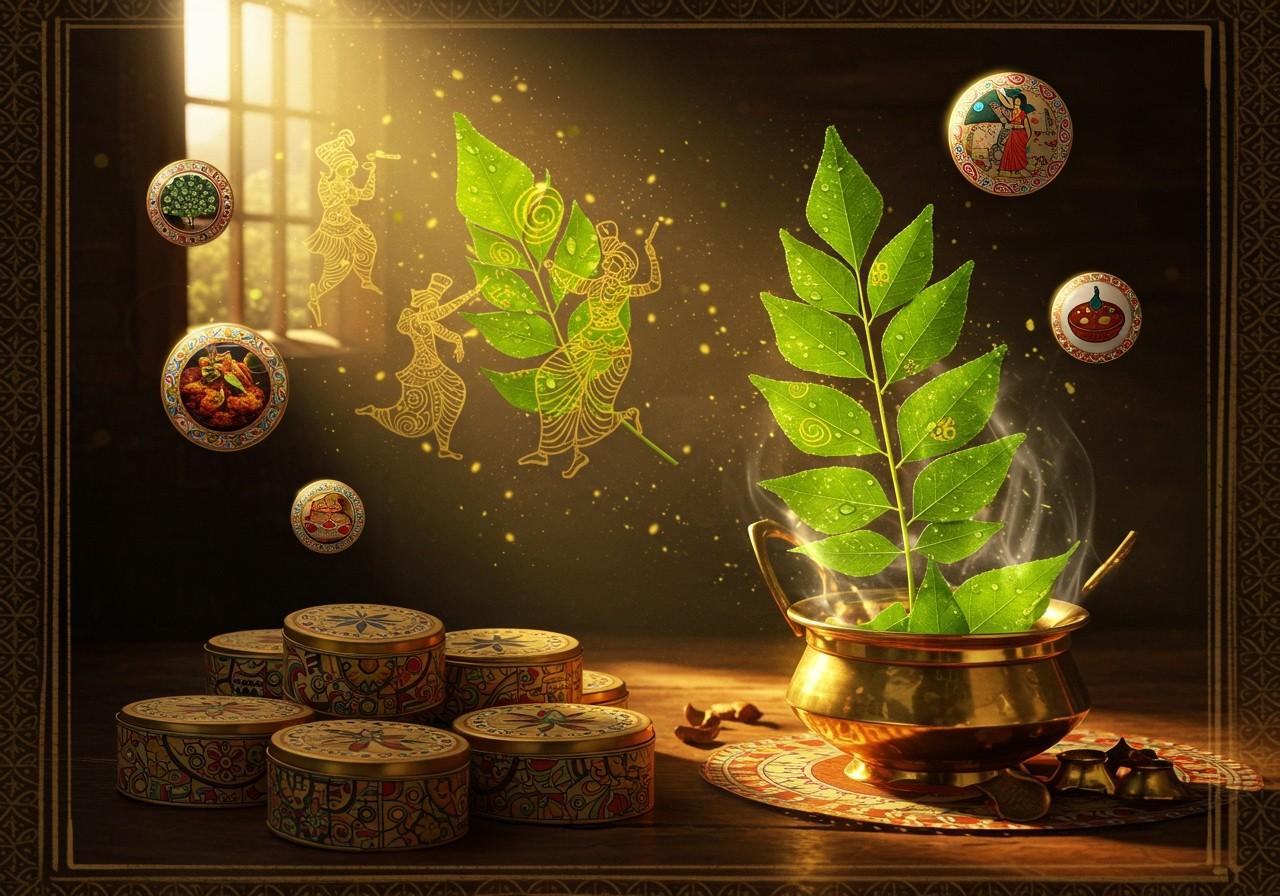
The air thickens with a scent that is at once citrusy, faintly peppery, and deeply verdant – a fragrance that announces the arrival of a culinary and medicinal powerhouse. It is the aroma of Murraya koenigii, more commonly known as the curry leaf, a humble botanical marvel that has quietly woven itself into the fabric of South Asian life for millennia. This is not merely an aromatic garnish; it is a green sentinel, a silent guardian of health, and a cornerstone of longevity, whose story unfurls across ancient traditions, modern science, and the very plates that have nourished generations.
To embark on "The Curry Leaf Chronicles" is to journey through time, from the sun-drenched landscapes where it first took root to the bustling kitchens and quiet apothecaries that have harnessed its power. It is a narrative that transcends the simple act of cooking, evolving into a profound testament to the enduring wisdom embedded within traditional diets and the sophisticated interplay of nature’s bounty. Our audience, knowledgeable and discerning, seeks not just facts, but the deeper currents of understanding that connect a leaf to a life, a tradition to enduring wellness.
Chapter 1: The Botanical Ballet – Murraya koenigii Takes the Stage
Our story begins with the protagonist itself: Murraya koenigii. A member of the Rutaceae family, sharing kinship with citrus fruits, this small deciduous tree or shrub typically thrives in tropical and subtropical regions, particularly across the Indian subcontinent and Southeast Asia. Its delicate, glossy, dark green leaves are pinnately arranged, each leaflet an oval spear, exuding an incomparable aroma when bruised or gently heated. Unlike many other spices, the curry leaf is almost always used fresh, its volatile compounds being ephemeral and its essence difficult to capture effectively in dried form. This insistence on freshness is not merely a culinary preference; it hints at the bioactive fragility that underpins its therapeutic efficacy.
The very resilience of the Murraya koenigii plant mirrors the endurance of the cultures it nourishes. It is not a demanding plant, content to grow in various soil types, demanding only warmth and sunshine. Its ability to regenerate after pruning ensures a continuous supply, reinforcing its status as a readily accessible, everyday ingredient for millions. This botanical tenacity is the first subtle hint of its role in fostering human longevity – a consistent, reliable source of profound nourishment.
Chapter 2: Echoes from Antiquity – The Leaf in Ancient Lore and Practice
Long before laboratories isolated its compounds, the curry leaf was revered. Its origins are deeply entrenched in the ancient medicinal systems of India – Ayurveda and Siddha. In these holistic frameworks, food is considered medicine, and every ingredient is assessed for its rasa (taste), virya (potency), and vipaka (post-digestive effect), as well as its impact on the doshas (Vata, Pitta, Kapha) and the body’s various dhatus (tissues).
Ancient Ayurvedic texts, though perhaps not explicitly detailing "curry leaf" by its modern name, undoubtedly referenced its therapeutic properties. It was known as Kadi Patta in Hindi, Kariveppilai in Tamil, and Karivembu in Malayalam – names that often translate to "black neem" or "bitter leaf," reflecting its distinct taste and medicinal parallels to the revered neem tree. These texts describe its use as a digestive stimulant (agni deepana), an appetite enhancer, and a remedy for various gastrointestinal ailments, including indigestion, diarrhea, and dysentery. Its ability to balance Kapha and Vata doshas, purify the blood, and even act as an antidote for certain toxins, cemented its place in the ancient pharmacopeia.
But the curry leaf’s influence was not confined to the healing arts. It was an integral part of daily life, found not just in the healer’s satchel but also in every household kitchen. Its ubiquitous presence suggests a profound, intuitive understanding of its prophylactic benefits. It wasn’t added merely for flavor; it was a daily dose of preventive medicine, a subtle yet potent shield against disease, woven into the very fabric of communal eating. The story of its adoption is not one of scientific discovery, but of generational wisdom, passed down through the clatter of pots and the shared aromas of family meals.
The leaf’s journey extended beyond the subcontinent through ancient trade routes, accompanying merchants and seafarers, embedding itself in the cuisines of Sri Lanka, Malaysia, Singapore, and parts of the Caribbean. Each culture adapted it, yet its fundamental role – as both flavor enhancer and health promoter – remained constant, a testament to its intrinsic value.
Chapter 3: The Culinary Canvas – Weaving Flavor and Function
The true genius of traditional diets lies in their seamless integration of health and flavor. The curry leaf epitomizes this synergy. Its signature application is in the technique known as tadka or thalippu – the tempering of hot oil with whole spices. Here, fresh curry leaves are sizzled until they crackle and turn crisp, releasing their volatile aromatic compounds and infusing the oil with their unique essence. This infused oil then becomes the foundational flavor for countless dals, vegetable stir-fries, curries, chutneys, and even savory snacks.
But the culinary role of the curry leaf is far more profound than mere flavor. Its inclusion in these preparations serves several critical functions:
- Digestive Aid: The heat from the tadka activates compounds that stimulate digestive enzymes, making the entire meal easier to assimilate. This is particularly crucial in diets rich in legumes and complex carbohydrates, which can be challenging to digest for some.
- Nutrient Bioavailability: By aiding digestion, curry leaves indirectly enhance the bioavailability of nutrients from other ingredients in the dish.
- Antimicrobial Properties: The high heat of tempering, combined with the inherent antimicrobial compounds in the leaves, contributes to the preservation of food and the reduction of pathogenic microorganisms, a vital consideration in climates where food spoilage is a constant concern.
- Balancing Effects: In Ayurvedic terms, its slightly bitter and pungent taste helps to balance the sweetness and heaviness of other ingredients, promoting overall harmony within the dish and the body.
Consider a simple lentil dal, a staple across South Asia. Without the fragrant tempering of curry leaves, mustard seeds, and chilies, it is merely boiled lentils. With the tadka, it transforms into a complex, aromatic, and deeply satisfying dish that is not only delicious but also fundamentally more digestible and beneficial. The curry leaf is not an optional garnish; it is an indispensable architect of flavor and function, a silent partner in the dance of nourishment. Its consistent presence in daily meals, often multiple times a day, highlights its subtle yet persistent contribution to long-term health, a foundational pillar in the pursuit of longevity.
Chapter 4: The Alchemical Blueprint – Unveiling the Phytochemical Powerhouse
For the knowledgeable audience, the transition from traditional wisdom to scientific understanding is paramount. The modern era has allowed us to peer into the "alchemical blueprint" of the curry leaf, revealing the sophisticated array of phytochemicals that underpin its ancient reputation. It is here that the story of longevity truly gains empirical weight.
The curry leaf is a treasure trove of bioactive compounds, chief among them being carbazole alkaloids. These nitrogen-containing organic compounds are unique to the Murraya genus and are responsible for many of the leaf’s potent medicinal properties. Key carbazole alkaloids include mahanimbine, murrayanine, girinimbine, mahanine, and koenimbine. Beyond these unique compounds, the leaf also boasts a rich profile of:
- Antioxidants: Flavonoids (like quercetin, kaempferol), phenolic acids (gallic acid, ferulic acid, caffeic acid), alpha-tocopherol (Vitamin E), and carotenoids (beta-carotene).
- Vitamins and Minerals: Significant amounts of Vitamin A, Vitamin B, Vitamin C, calcium, phosphorus, iron, and folic acid.
- Essential Oils: Responsible for its distinctive aroma, these oils also possess antimicrobial and anti-inflammatory properties.
The mechanisms by which these compounds contribute to longevity are multifaceted and interconnected:


Post Comment