Blood Sugar & Bitterness: How Curry Leaves Help Manage Diabetes
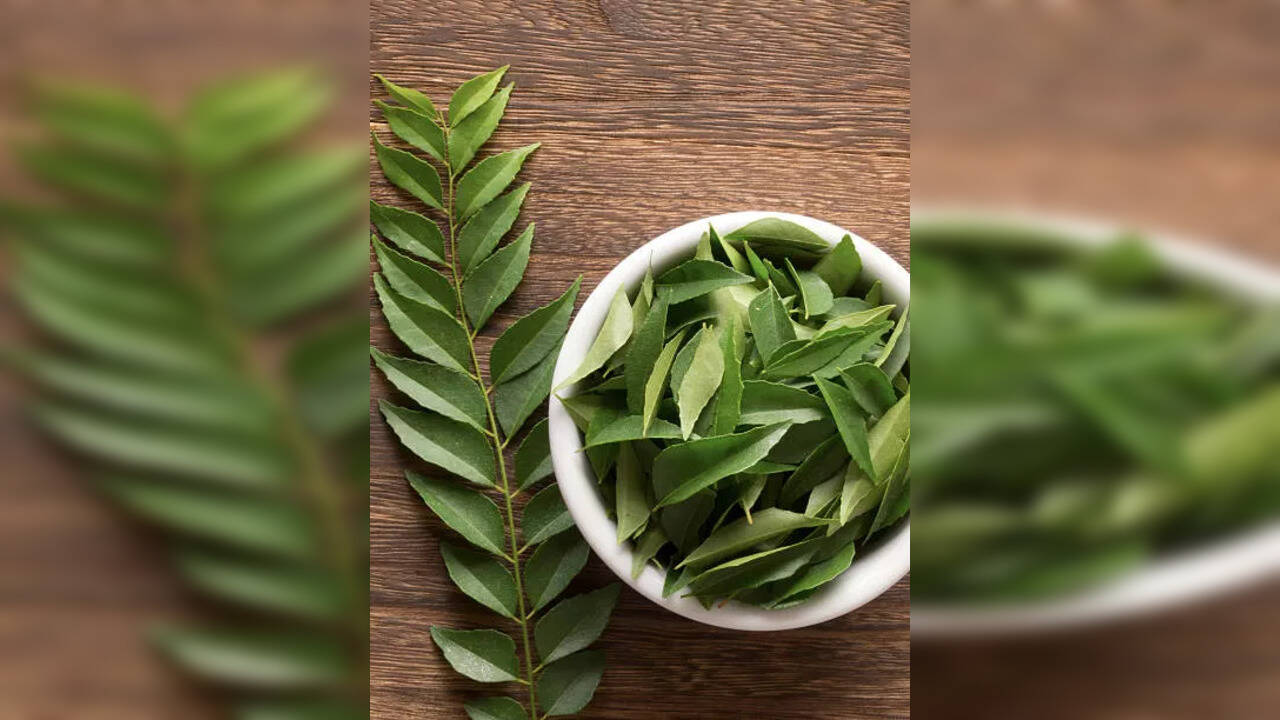
In the intricate dance of human physiology, where sweetness is often sought and bitterness frequently shunned, lies a profound truth about health and healing. Diabetes, a condition defined by an excess of sweetness—glucose—in the blood, casts a long, often bitter shadow over the lives of millions. It’s a relentless daily battle against an invisible enemy, demanding constant vigilance, dietary discipline, and often, a regimen of medications that can themselves leave an unpleasant taste. Yet, nestled within the verdant tapestry of traditional culinary wisdom, a humble, aromatic leaf offers a counterpoint to this pervasive sweetness and its associated bitterness: the curry leaf (Murraya koenigii).
This is not merely a botanical article; it is a story. A story of ancient knowledge meeting modern science, of a staple ingredient transcending its role as a flavor enhancer to emerge as a potent ally in the complex narrative of diabetes management. It’s a tale of how a plant, whose very aroma evokes the warmth of home and the richness of tradition, holds within its delicate structure a powerful promise for those navigating the bittersweet journey of living with diabetes.
The Weight of Sweetness and the Taste of Bitterness
To understand the profound potential of curry leaves, one must first grasp the pervasive and often insidious nature of diabetes. Diabetes Mellitus, primarily Type 2, has escalated into a global epidemic, a silent tsunami threatening public health. It’s characterized by either insufficient insulin production (the hormone responsible for moving glucose from the blood into cells for energy) or insulin resistance, where cells fail to respond effectively to insulin. The consequence is persistently high blood glucose levels, a state known as hyperglycemia.
The "sweetness" of diabetes is, paradoxically, its most dangerous aspect. Uncontrolled hyperglycemia gradually erodes the body, damaging blood vessels, nerves, and organs. It manifests in a litany of complications: retinopathy leading to blindness, nephropathy leading to kidney failure, neuropathy causing numbness and pain, and an increased risk of heart disease and stroke. The daily management is a tightrope walk: monitoring blood sugar, meticulously planning meals, ensuring regular physical activity, and often, adhering to medication schedules that can range from oral hypoglycemics to insulin injections.
This daily struggle often imbues life with a profound "bitterness." The bitterness of dietary restrictions, of constantly saying no to tempting treats, of the fear of complications, of the pricks of glucometers, and the side effects of medications. It’s the emotional weight of living with a chronic condition, the constant vigilance, the feeling of being an outsider at social gatherings where food takes center stage. For many, diabetes is not just a physiological condition; it’s an existential challenge, a constant reminder of vulnerability and the relentless march of time.
It is into this landscape of chronic sweetness and profound bitterness that the curry leaf steps, not as a miracle cure, but as a potent, natural adjunct, offering a glimmer of hope and a taste of traditional wisdom validated by modern scientific inquiry.
Curry Leaves: From Hearth to Healing – A Culinary Journey
The curry leaf, scientifically known as Murraya koenigii, is far more than just a seasoning. It is the fragrant heart of countless South Asian dishes, particularly in Indian, Sri Lankan, and Southeast Asian cuisines. Originating from India, this deciduous shrub or small tree thrives in tropical and subtropical regions. Its glossy, dark green leaves, arranged pinnately on a stem, release an unforgettable aroma when bruised or fried—a complex bouquet of citrus, nuttiness, and a subtle, peppery undertone.
For centuries, curry leaves have been an indispensable part of the culinary landscape, not just for their unique flavor profile but also for their perceived medicinal properties, deeply ingrained in traditional systems like Ayurveda and Siddha medicine. In these ancient practices, the leaves were employed for a remarkable array of ailments: digestive issues, skin irritations, hair health, and notably, for managing blood sugar levels. This ancestral knowledge, passed down through generations, often lacked the rigorous scientific validation we demand today, yet it formed the bedrock of a holistic approach to well-being.
The traditional wisdom surrounding curry leaves suggests their use was never arbitrary. They were added to lentil dishes (dals), vegetable curries, chutneys, and even buttermilk, often tempered in hot oil alongside mustard seeds and chilies. This deliberate incorporation wasn’t merely about taste; it was about leveraging their subtle, beneficial properties as part of a balanced diet. The bitterness in their fresh state, often masked by cooking, was understood to possess cleansing and balancing attributes—a direct contrast to the excess sweetness that often plagued health.
It’s this rich tapestry of culinary heritage and traditional medicine that sets the stage for our deeper dive into the scientific mechanisms through which curry leaves might help manage diabetes.
Unearthing the Mechanisms: A Scientific Odyssey
The transition of curry leaves from folk remedy to a subject of intense scientific scrutiny is a testament to the persistent curiosity of researchers and the enduring power of traditional knowledge. Modern science, equipped with sophisticated analytical tools, has begun to unravel the complex biochemical symphony playing out within these unassuming leaves, identifying a remarkable array of bioactive compounds responsible for their antidiabetic potential.
The primary bioactive constituents in curry leaves are a class of compounds known as carbazole alkaloids, notably mahanimbine, mahanine, murrayanine, and girinimbine. These, along with a rich profile of phenolic compounds, flavonoids, vitamins, and minerals, work in concert, offering a multifaceted approach to glucose regulation and overall metabolic health.
Let’s dissect the key mechanisms:
1. Carbazole Alkaloids: The Core of Antidiabetic Action
The carbazole alkaloids are the true stars of the show when it comes to the antidiabetic properties of curry leaves. Research has illuminated several pathways through which these compounds exert their beneficial effects:
- Improved Insulin Sensitivity: Mahanimbine, in particular, has been shown to enhance insulin sensitivity. In Type 2 diabetes, cells become less responsive to insulin, leading to glucose accumulation in the blood. Carbazole alkaloids may act on molecular targets, potentially upregulating insulin receptor activity or improving post-receptor signaling pathways. This means the body’s own insulin, or administered insulin, can work more efficiently, allowing glucose to enter cells and be utilized for energy.
- Stimulation of Insulin Secretion: Some studies suggest that curry leaf extracts may have a direct effect on pancreatic beta-cells, the cells responsible for producing insulin. While not a primary mechanism, a modest increase in insulin secretion, especially in early stages of diabetes or in individuals with prediabetes, could contribute to better glucose control.
- Inhibition of Alpha-Glucosidase: This is a crucial mechanism for post-prandial (after-meal) glucose control. Alpha-glucosidase is an enzyme located in the brush border of the small intestine, responsible for breaking down complex carbohydrates into simpler sugars (glucose) that can be absorbed into the bloodstream. By inhibiting this enzyme, carbazole alkaloids effectively slow down the digestion and absorption of carbohydrates, leading to a more gradual rise in blood glucose levels after meals. This "flattening" of the glucose curve is vital in preventing damaging spikes and reducing the burden on the pancreas.
- Reduction of Glucose Absorption: Beyond enzyme inhibition, certain compounds in curry leaves might directly interfere with glucose transporters in the intestine, further reducing the amount of glucose absorbed into the bloodstream.
2. Antioxidant Powerhouse: Battling Oxidative Stress
Beyond their aromatic allure, curry leaves are veritable powerhouses of antioxidants, a crucial defense in the metabolic battlefield of diabetes. The body of a person living with diabetes often experiences heightened oxidative stress, a state where the production of harmful free radicals overwhelms the body’s antioxidant defenses. This imbalance can lead to cellular damage, contribute to insulin resistance, and exacerbate diabetic complications like neuropathy and nephropathy.
Curry leaves, laden with phenolic compounds (like gallic acid, caffeic acid, and ferulic acid), flavonoids (like catechin, epicatechin, and rutin), and various carbazole alkaloids, actively scavenge these free radicals. They work synergistically to neutralize oxidative damage at a cellular level, thereby potentially preserving pancreatic beta-cell function, enhancing overall metabolic health, and mitigating the long-term complications associated with chronic hyperglycemia. This protective effect extends to blood vessels, safeguarding against atherosclerosis and cardiovascular disease, which are common co-morbidities of diabetes.
3. Anti-inflammatory Effects: Quelling the Silent Fire
Chronic low-grade inflammation is increasingly recognized as a significant contributor to insulin resistance and the progression of Type 2 diabetes. Inflammatory cytokines can interfere with insulin signaling pathways, further impairing glucose uptake by cells.


Post Comment