The Antioxidant Powerhouse: Can Curry Leaves Help Fight Oxidative Stress?
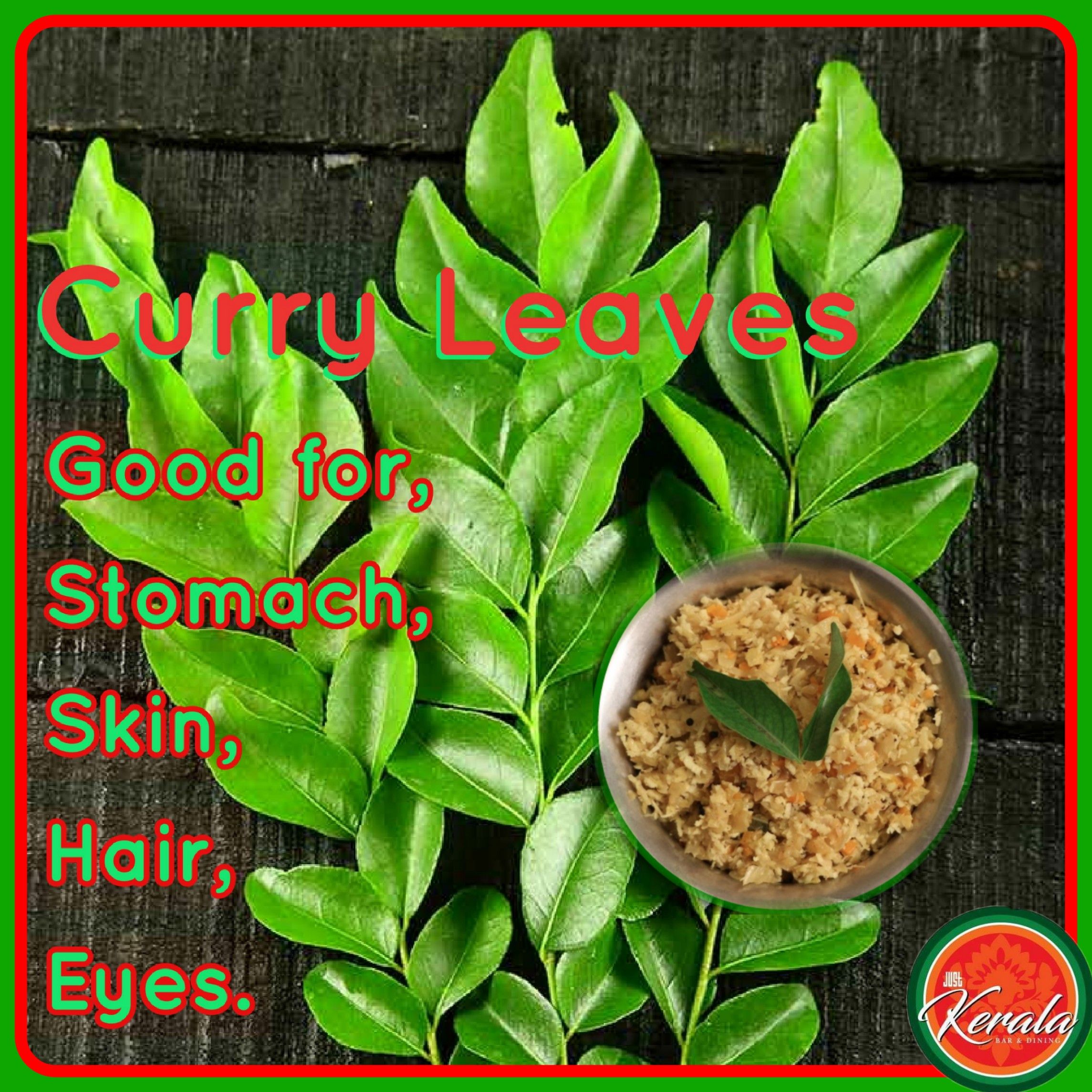
A Journey into the Ancient Wisdom and Modern Science of Murraya koenigii‘s Potent Protective Properties.
The aroma of freshly tempered curry leaves is, for many, the very essence of South Asian cuisine. It’s a fragrance that evokes warmth, comfort, and the promise of a delicious meal. For centuries, these glossy green leaves of the Murraya koenigii tree have been an indispensable culinary staple, adding a distinctive, slightly nutty, citrusy note to everything from dals and curries to chutneys and snacks. Yet, beneath their culinary charm lies a profound secret, a hidden pharmacy of potent compounds that modern science is only just beginning to fully unravel. This secret isn’t merely about flavor; it’s about profound health benefits, specifically their remarkable capacity to act as an antioxidant powerhouse, potentially offering a formidable defense against the insidious threat of oxidative stress.
Oxidative stress, a silent and relentless aggressor within our bodies, is increasingly recognized as a fundamental driver of aging and a myriad of chronic diseases. It’s a state of imbalance, a cellular skirmish where harmful free radicals overwhelm the body’s natural defenses, leading to widespread damage at a molecular level. In a world increasingly burdened by environmental toxins, processed foods, and chronic stress, the search for natural allies in this battle has become more urgent than ever. Could the humble curry leaf, a culinary icon steeped in tradition, be one such ally? This article embarks on a journey to explore the captivating narrative of curry leaves, delving into their rich history, dissecting their complex biochemical composition, and scrutinizing the compelling scientific evidence that positions them as a potent weapon in the fight against oxidative stress. We will weave together ancient Ayurvedic wisdom with contemporary scientific inquiry, telling the story of how this unassuming leaf might hold a key to enhanced well-being and cellular resilience.
Part 1: The Culinary Icon: Curry Leaves Beyond the Kitchen
The journey of the curry leaf begins not in a laboratory, but in the heart of kitchens across the Indian subcontinent and Southeast Asia. Its scientific name, Murraya koenigii, is far less evocative than its common moniker, but its presence is undeniable in countless regional dishes. From the fragrant sambar of South India to the hearty curries of Sri Lanka, and even in some Malaysian and Thai preparations, the distinctive tempering of mustard seeds, chilies, and curry leaves in hot oil forms the aromatic foundation of countless meals. Their unique flavour profile, often described as a blend of aniseed, citrus, and a hint of spiciness, is inimitable and integral to the authentic taste of many dishes.
But the appeal of curry leaves has always extended beyond mere gastronomy. For millennia, indigenous medicinal systems like Ayurveda, Siddha, and Unani have recognized and utilized the plant’s therapeutic properties. Traditional texts detail its use for a wide array of ailments, pointing to its efficacy in digestive disorders, its anti-inflammatory actions, and even its potential in managing blood sugar levels. Decoctions made from the leaves were prescribed for morning sickness, diarrhea, and dysentery. Poultices were applied to bruises and skin irritations. The roots were used for kidney ailments, and the bark for snake bites. This extensive traditional pharmacopoeia strongly suggested that the plant possessed bioactive compounds far beyond simple flavor enhancers. It hinted at a deep well of medicinal potential, patiently awaiting the rigorous validation of modern science. The transition from a fragrant garnish to a subject of intense scientific scrutiny was inevitable, driven by a growing appreciation for ethnobotanical wisdom and the relentless quest for natural solutions to contemporary health challenges. The question then became: what exactly are these unseen forces at play within the glossy green leaves?
Part 2: Understanding the Enemy: Oxidative Stress
Before we delve deeper into the protective powers of curry leaves, it’s crucial to understand the adversary they are believed to combat: oxidative stress. At its core, life is a delicate balancing act, and nowhere is this more evident than at the cellular level. Our bodies are constantly engaged in metabolic processes that generate energy, synthesize molecules, and detoxify waste. A natural byproduct of these essential activities is the production of reactive oxygen species (ROS) and reactive nitrogen species (RNS), often collectively referred to as "free radicals." These molecules are characterized by having unpaired electrons, making them highly unstable and eager to steal electrons from other molecules to achieve stability. In controlled amounts, free radicals play vital roles in cell signaling, immune defense, and maintaining cellular homeostasis.
However, when the production of these molecular marauders outpaces the body’s capacity to neutralize them, the delicate balance is lost, and oxidative stress ensues. This imbalance leads to a cascade of destructive events. The highly reactive free radicals attack and damage crucial cellular components:
- Lipid Peroxidation: They target the polyunsaturated fatty acids in cell membranes, initiating a chain reaction that compromises membrane integrity, leading to cellular dysfunction and ultimately cell death. Malondialdehyde (MDA) is a common biomarker for this type of damage.
- Protein Carbonylation: Free radicals can modify proteins, altering their structure and function. This can inactivate enzymes, impair structural proteins, and disrupt vital cellular processes.
- DNA/RNA Oxidation: Perhaps most alarmingly, free radicals can damage genetic material, leading to mutations, chromosomal abnormalities, and epigenetic changes. This damage is a significant contributor to carcinogenesis and the aging process.
The cumulative effect of this cellular havoc is profound. Oxidative stress is no longer viewed as merely a consequence of disease but rather a fundamental underlying mechanism in the initiation and progression of a vast array of chronic ailments. It’s implicated in the pathogenesis of cardiovascular diseases (atherosclerosis, hypertension), neurodegenerative disorders (Alzheimer’s, Parkinson’s), metabolic syndromes (diabetes, obesity), various cancers, inflammatory conditions, and the very process of aging itself. Its pervasive role makes it a silent epidemic, relentlessly chipping away at cellular health and systemic well-being.
Our bodies are equipped with sophisticated endogenous antioxidant defense systems, including enzymatic antioxidants like Superoxide Dismutase (SOD), Catalase (CAT), and Glutathione Peroxidase (GPx), as well as non-enzymatic antioxidants like glutathione, uric acid, and bilirubin. However, these internal defenses can be overwhelmed by excessive free radical production stemming from lifestyle factors (smoking, alcohol, poor diet, stress), environmental pollutants, and chronic inflammation. This is where exogenous antioxidants, those obtained from our diet, become critically important. They provide crucial support, bolstering our internal defenses and directly neutralizing free radicals, thereby helping to restore the cellular balance and protect against oxidative damage.
Part 3: The Chemical Arsenal: Unveiling Curry Leaves’ Bioactive Compounds
The potent antioxidant activity observed in curry leaves is not attributable to a single miraculous compound, but rather to a sophisticated symphony of diverse phytochemicals working in concert. This concept of synergy, where the combined effect of multiple compounds is greater than the sum of their individual parts, is a recurring theme in botanical medicine and perfectly encapsulates the power of Murraya koenigii. Let’s explore the key players in this chemical arsenal:
1. Carbazole Alkaloids (The Stars of the Show):
These nitrogen-containing organic compounds are considered the signature bioactive constituents of curry leaves, responsible for many of their unique pharmacological properties. Over two dozen different carbazole alkaloids have been identified, with mahanimbine, mahanine, koenimbine, koenigine, and girinimbine being among the most prominent.
- Structure and Function: These compounds possess complex polycyclic structures that are highly effective at scavenging free radicals. They can donate electrons to neutralize reactive oxygen and nitrogen species, thereby preventing them from damaging cellular components.
- Beyond Antioxidant: Research indicates that carbazole alkaloids also exhibit anti-inflammatory, anti-diabetic, anti-cancer, antimicrobial, and hepatoprotective activities, suggesting a broad spectrum of therapeutic potential that often intertwines with their antioxidant roles. For instance, their anti-inflammatory effects can indirectly reduce oxidative stress, as inflammation itself is a major generator of free radicals.
2. Phenolic Compounds (The Ubiquitous Workhorses):
Phenolics are a vast group of plant compounds known for their strong antioxidant capacity, and curry leaves are rich in them.
- Flavonoids: These are a major class of polyphenols, including compounds like quercetin, kaempferol, rutin, and catechin. Flavonoids are excellent electron donors and free radical scavengers. They can also chelate metal ions (like iron and copper) that catalyze free radical formation, thus preventing oxidative damage. Furthermore, they can modulate the activity of antioxidant enzymes and pathways.
- Phenolic Acids: Compounds such as gallic acid, ferulic acid, and chlorogenic acid are also present. These acids possess potent antioxidant properties, often acting through similar mechanisms to flavonoids, by neutralizing free radicals and inhibiting lipid peroxidation.


Post Comment