Nature’s Multivitamin: The Nutritional Profile of the Humble Curry Leaf
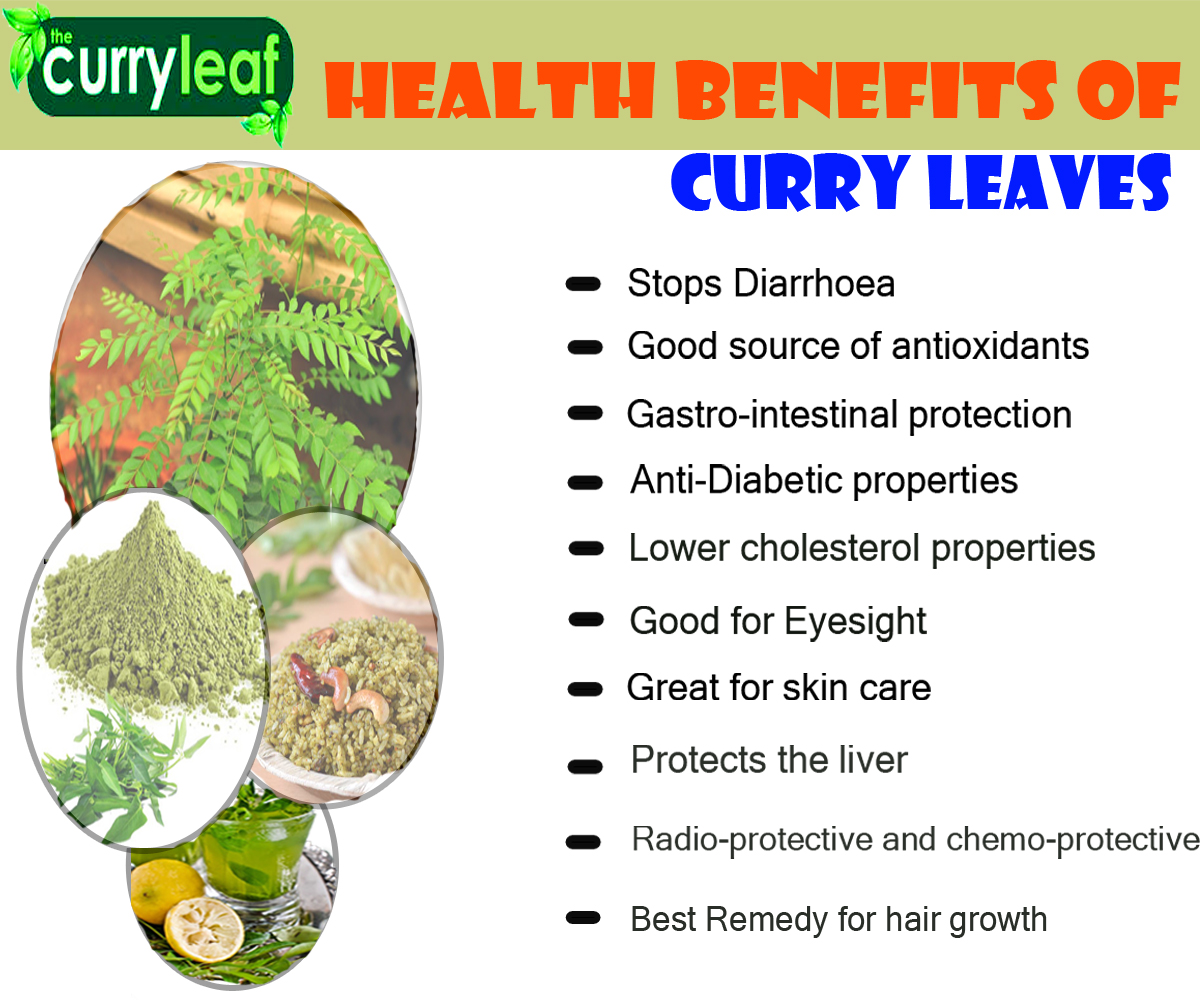
The air shimmers with the promise of a meal. A hot pan, glistening with oil, hisses as a handful of tiny, emerald leaves are dropped in. Instantly, an aromatic cloud unfurls, a complex tapestry of citrus, nuts, and a verdant earthiness that is unmistakably Indian. This is the moment when the humble curry leaf (Murraya koenigii or Bergera koenigii) truly awakens, transforming a simple dish into a symphony of flavour. For centuries, these unassuming leaves have been the aromatic soul of countless South Asian cuisines, celebrated for their unique ability to elevate the mundane to the magnificent. Yet, beneath their culinary charm lies a profound secret, a nutritional treasure trove that positions the curry leaf not merely as a flavouring agent, but as a genuine "multivitamin" from nature’s own pharmacy.
For the discerning palate and the curious mind, the story of the curry leaf extends far beyond the kitchen. It is a narrative steeped in traditional wisdom, now increasingly validated by rigorous scientific inquiry, revealing a plant bristling with an astonishing array of macronutrients, micronutrients, and a diverse spectrum of potent phytochemicals. To truly appreciate its stature, we must peel back the layers of its botanical identity, delve into its cellular composition, and understand the intricate dance of compounds that bestow upon it its legendary health-promoting properties.
The Botanical Genesis: A Leaf with Lineage
Our journey begins with the leaf itself, a member of the Rutaceae family, the very same botanical lineage that gifts us citrus fruits like oranges and lemons. This familial connection immediately hints at the potential presence of a vibrant phytochemical profile, often characterized by aromatic compounds and antioxidants. Native to the Indian subcontinent and Sri Lanka, Murraya koenigii is a tropical to subtropical tree, growing to a height of 4-6 meters, adorned with pinnate leaves that are glossy green and emit their characteristic aroma when crushed or heated.
The plant’s widespread cultivation across South Asia, Southeast Asia, and even in parts of Australia and Africa, speaks to its adaptability and the universal appeal of its flavour. From the sun-drenched plains of Tamil Nadu to the misty hills of Sri Lanka, it is more than just a plant; it is an intrinsic part of the cultural fabric, intertwined with culinary traditions, folk medicine, and even ancient rituals. This deep-rooted presence in traditional systems like Ayurveda and Siddha medicine is perhaps the first clue to its nutritional prowess, where it has long been revered for its purported medicinal benefits long before modern science could quantify its compounds.
The Macro-Nutrient Foundation: Beyond the Aromatic Veil
While often perceived purely for its volatile oils and aromatic compounds, the curry leaf provides a surprisingly robust foundation of macronutrients, especially considering it’s typically consumed in small quantities. These elements, though not the primary caloric contributors in a meal, play crucial roles in overall health and contribute significantly to its "multivitamin" status.
Dietary Fiber: The Gut’s Best Friend
One of the most significant macronutrient contributions of the curry leaf is its rich dietary fiber content. Comprising both soluble and insoluble fibers, this often-overlooked component is vital for digestive health. Insoluble fiber adds bulk to stool, facilitating regular bowel movements and preventing constipation, a cornerstone of gut wellness. Soluble fiber, on the other hand, forms a gel-like substance in the digestive tract, which can help regulate blood sugar levels by slowing down glucose absorption and contribute to satiety, aiding in weight management. For a plant consumed in small portions, its cumulative contribution to daily fiber intake, especially in traditional diets where it is a regular feature, is far from negligible. Furthermore, fiber acts as a prebiotic, nourishing beneficial gut bacteria, thereby supporting a healthy microbiome – a system increasingly recognized as central to immunity, mood, and metabolic health.
Proteins: A Modest but Meaningful Presence
While not a protein powerhouse like legumes or meat, curry leaves do contain a modest amount of plant-based protein, including various amino acids. In the context of a balanced diet, these minor contributions add to the overall amino acid pool, essential for tissue repair, enzyme synthesis, and numerous bodily functions. For individuals following vegetarian or vegan diets, every source of diverse amino acids contributes to a more complete nutritional profile.
Carbohydrates and Fats: Energy and Absorption
The majority of the remaining macronutrient profile consists of complex carbohydrates, which provide a steady source of energy without the rapid spikes associated with simple sugars. The fat content is minimal, predominantly comprising unsaturated fatty acids. However, this small lipid fraction is crucial as it aids in the absorption of fat-soluble vitamins and certain phytochemicals present within the leaf itself, highlighting the synergistic nature of its components.
The Micro-Nutrient Tapestry: A True Multivitamin Unveiled
It is in the realm of micronutrients – the vitamins and minerals – that the curry leaf truly begins to shine as nature’s multivitamin. These are the unsung heroes, present in smaller quantities but indispensable for a myriad of biochemical processes that sustain life and promote well-being.
Vitamins: The Catalysts of Life
The curry leaf boasts an impressive array of vitamins, each playing a vital role:
- Vitamin A (Beta-carotene): Perhaps its most celebrated vitamin, curry leaves are an exceptional source of beta-carotene, a potent antioxidant and a precursor to Vitamin A. Once consumed, beta-carotene is converted into Vitamin A in the body, which is crucial for maintaining healthy vision, particularly in low light conditions, and plays a fundamental role in immune function, promoting healthy skin and mucous membranes, and supporting cell growth and differentiation. The vibrant green hue of the leaves is a direct indicator of their rich beta-carotene content.
- Vitamin C (Ascorbic Acid): A powerful water-soluble antioxidant, Vitamin C is essential for immune system function, protecting cells from oxidative damage caused by free radicals. It is also critical for collagen synthesis, a protein vital for skin elasticity, wound healing, and the structural integrity of bones, cartilage, and blood vessels. Its presence in curry leaves adds to their overall antioxidant capacity, working in concert with other protective compounds.
- B Vitamins (Thiamine B1, Riboflavin B2, Niacin B3, Pyridoxine B6, Folic Acid B9): The curry leaf contributes to the intake of several B vitamins, which are crucial coenzymes involved in energy metabolism.
- Thiamine (B1): Essential for converting carbohydrates into energy and for nerve function.
- Riboflavin (B2): Plays a key role in energy production, cellular growth, and the metabolism of fats, drugs, and steroids.
- Niacin (B3): Involved in DNA repair, energy metabolism, and the synthesis of fatty acids and cholesterol.
- Pyridoxine (B6): Crucial for protein, fat, and carbohydrate metabolism, red blood cell formation, and neurotransmitter synthesis.
- Folic Acid (B9): Indispensable for cell division, DNA synthesis, and red blood cell production. It is particularly important during periods of rapid growth, such as pregnancy, to prevent neural tube defects. The synergistic presence of these B vitamins ensures a broad spectrum of metabolic support.
- Vitamin E (Tocopherols): Another significant fat-soluble antioxidant found in curry leaves, Vitamin E protects cell membranes from oxidative damage, particularly the delicate lipids within cell walls. It contributes to immune function and skin health, further cementing the leaf’s role in cellular protection.


Post Comment