Small Leaf, Big Impact: Why You Should Stop Picking Curry Leaves Out of Your Food
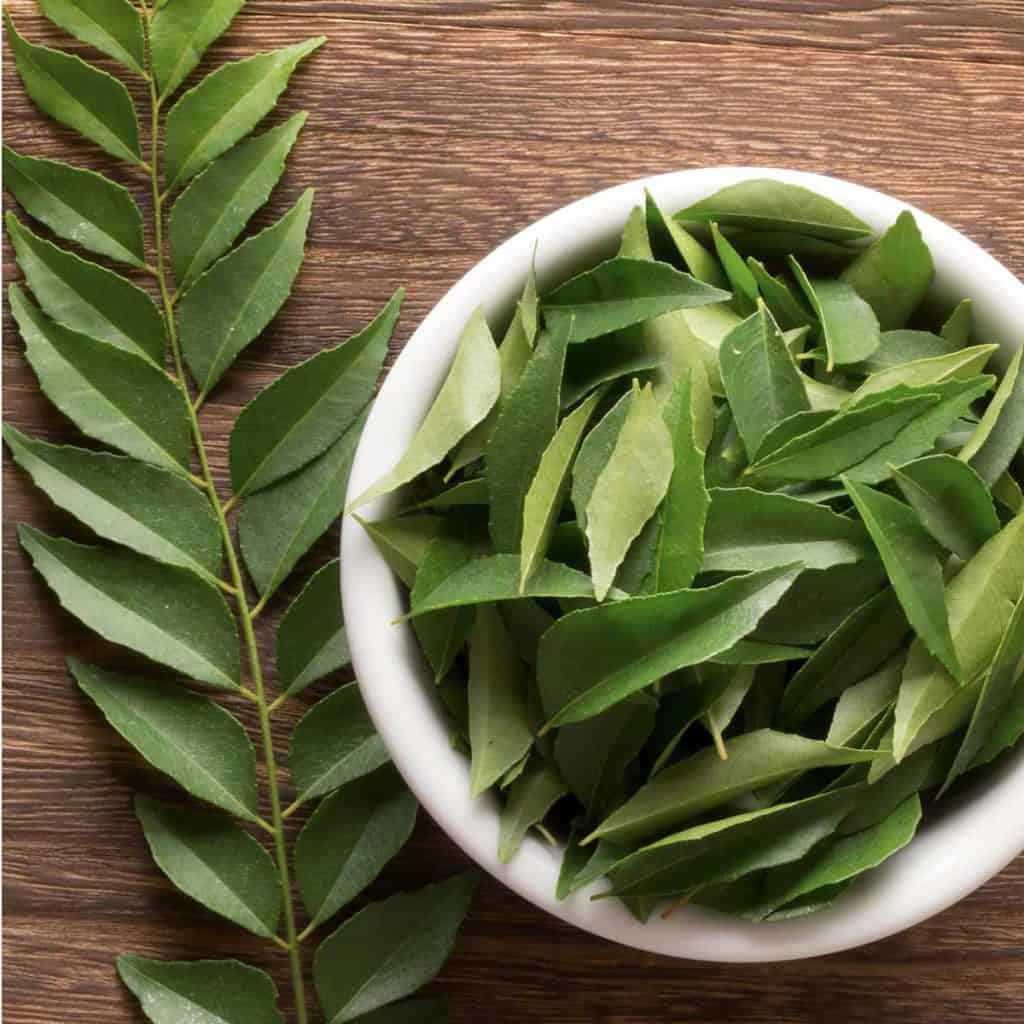
The scene is familiar. A steaming bowl of fragrant sambar, a vibrant chicken curry, or a perfectly tempered dal sits before you. Your senses are immediately engaged by the complex aroma – a warm, earthy, slightly citrusy symphony. You dive in, savoring the initial mouthful, and then, almost instinctively, your fork or spoon navigates around a small, glossy green leaf. With a dismissive flick, it’s relegated to the side of the plate, an innocent casualty of a common culinary habit.
This seemingly innocuous act, repeated countless times in kitchens and dining rooms across the globe, is the silent protest against an ingredient often misunderstood, frequently underestimated, and almost universally underappreciated. We are talking, of course, about the humble curry leaf (Murraya koenigii). This article isn’t just a plea; it’s an unveiling, a narrative journey into the heart of a leaf whose "smallness" belies a "big impact" – an impact that you, the discerning and knowledgeable diner, have been unknowingly discarding.
Our journey will delve into the history, the science, the culture, and the sheer culinary genius embedded within each of these aromatic emeralds. By the time we conclude, we hope to have transformed your perception, encouraging you to embrace the full, multifaceted experience that the curry leaf brings to your plate.
The Ancestral Whisper: A Leaf Steeped in History and Heritage
To understand the curry leaf’s significance, we must first trace its ancient lineage. Originating in the Indian subcontinent and Sri Lanka, the curry leaf tree, known as ‘kadi patta’ in Hindi or ‘karuveppilai’ in Tamil, has been an integral part of South Asian life for millennia. It’s not merely a culinary herb; it’s a thread woven into the very fabric of traditional medicine, spiritual practices, and daily life.
Imagine ancient Ayurvedic physicians, hundreds of years before modern pharmacology, recognizing the plant’s potent properties. They weren’t just guessing; their observational wisdom, honed over generations, saw the curry leaf as a powerhouse of wellness. They prescribed it for digestive ailments, for its anti-inflammatory benefits, and even as a tonic for hair and skin. It was considered a detoxifier, a blood purifier, and a source of vital energy. This isn’t just folklore; it’s the genesis of a profound respect for an ingredient that extended far beyond its flavor profile.
The spread of the curry leaf mirrored the expansion of South Asian culture and trade. As merchants traveled along ancient spice routes, as communities migrated across oceans, the curry leaf tree, or its dried leaves, journeyed with them. It rooted itself in Southeast Asian cuisines – Thai, Malaysian, Singaporean – adapting and evolving its role while retaining its essential character. In diaspora communities across the Caribbean, Africa, and the West, the curry leaf became a poignant link to home, a taste of memory, a symbol of culinary heritage fiercely protected and passed down.
This rich tapestry of history isn’t just academic; it imbues the leaf with a profound cultural resonance. When a chef, a home cook, or an elderly grandmother adds curry leaves to a dish, they are not just adding flavor; they are echoing generations of wisdom, honoring a culinary legacy, and inviting you to partake in a story centuries in the making. To pick it out, then, is not just to discard a leaf, but to inadvertently turn away from this ancestral whisper, this cultural embrace.
The Aromatic Overture: Unpacking the Sensory Symphony
Now, let’s talk about what the curry leaf does – specifically, what it does for your senses. It’s an ingredient that truly engages all facets of olfactory and gustatory perception, far beyond a simple "green herb" designation.
The Scent Profile: A Symphony of Volatile Compounds
Before you even taste it, the aroma of a freshly tempered curry leaf is an experience in itself. Unlike many other herbs whose scent dissipates quickly, the curry leaf holds its ground. When introduced to hot oil – the cornerstone of the South Asian tempering technique known as tadka or talippu – its volatile compounds burst forth, creating an aromatic overture that signals the dish’s impending complexity.
What does it smell like? It’s not easily categorized. There’s a distinct citrusy top note, often likened to mandarin or pomelo, but without the acidity. Beneath that, a subtle nuttiness, almost roasted, emerges. Then comes a peppery warmth, a slightly pungent earthiness that grounds the lighter notes. Some detect a hint of anise or licorice, others a whisper of basil or even a faint smokiness. This multifaceted aroma isn’t accidental; it’s due to a complex array of chemical compounds, including mahanimbine, girinimbine, and various terpenes, which are unique to Murraya koenigii. These compounds don’t just smell good; they prime your palate, setting the stage for the flavors to come.
The Flavor Contribution: More Than Just a Garnish
Once eaten, the curry leaf doesn’t just add a singular flavor note; it acts as a flavor enhancer, a bridge between disparate ingredients, and a foundational element that adds depth and roundness to a dish.
Imagine a dal without curry leaves. It might be wholesome, comforting, but perhaps a little one-dimensional. The curry leaf, especially when fried until crisp, introduces a layer of vibrant, almost umami-rich herbaceousness. It cuts through the richness of coconut milk in a curry, brightens the earthiness of lentils, and provides a counterpoint to the heat of chilies. It’s a flavor that lingers on the palate, a clean, refreshing aftertaste that cleanses and prepares you for the next bite.
The mistake many make is comparing it to a bay leaf, which is often removed after cooking due to its tough texture and potent, singular flavor that can become overpowering. The curry leaf, by contrast, is meant to be consumed. Its flavor integrates, evolves, and becomes an inseparable part of the dish’s identity. It’s the subtle bassline in a complex musical composition, providing rhythm and foundation without demanding the solo.
The Textural Intrigue: From Supple to Crisp
Beyond aroma and flavor, the curry leaf offers a textural dimension that, when properly prepared, can be incredibly satisfying. When added fresh and cooked gently, it retains a slightly pliable texture, a soft chew that releases its essence with each mastication.
However, its true textural magic often shines when it’s fried until crisp, either in the initial tempering or as a garnish. In this state, it transforms into a delicate, almost brittle wafer that shatters in the mouth, releasing an intensified burst of flavor and a delightful crunch. This crispness provides a welcome contrast to the softer textures of curries, rice, or lentil dishes, adding another layer of sensory engagement that would be sorely missed if discarded.
To pick out a curry leaf, then, is to deny yourself this complete sensory experience – the aromatic prelude, the complex flavor integration, and the textural interplay. It’s akin to listening to a symphony and removing the string section; you might still hear music, but you’ve lost a vital part of its soul.
The Nutritional Powerhouse: A Microscopic Marvel
For the knowledgeable audience, the argument for consuming curry leaves extends far beyond their immediate sensory appeal. Beneath their glossy surface lies a treasure trove of nutritional compounds, many of which have been the subject of increasing scientific interest, validating the ancient wisdom of Ayurveda.
Vitamins and Minerals:
Curry leaves are a good source of various essential vitamins and minerals. They contain significant amounts of:
- Vitamin A: Crucial for vision, immune function, and skin health. The carotenoids present are precursors to Vitamin A.
- B Vitamins: Including B1 (thiamine), B2 (riboflavin), B3 (niacin), B9 (folic acid), which are vital for energy metabolism and nervous system function.
- Vitamin C: A powerful antioxidant, essential for immune support and collagen synthesis.


Post Comment