The Ecstatic Echo: How G-Spot Orgasms Unleash a Symphony of Wellness Through Oxytocin’s Embrace
In the intricate tapestry of human experience, few phenomena are as universally sought yet as profoundly misunderstood as orgasm. It is a moment of exquisite surrender, a crescendo of sensation that momentarily transcends the mundane. Yet, beyond the immediate rush of pleasure, what if certain types of orgasm held a deeper, more enduring power – a key to unlocking not just fleeting bliss, but sustained well-being, a bolstered immune system, and a profoundly elevated mood? This is the story we embark on, delving into the fascinating hypothesis of "Oxytocin Overload" stemming from G-spot orgasms, and its potential to orchestrate a symphony of health benefits within the body and mind.
Our journey begins not with a whisper, but with a vibrant hum emanating from the very core of our being. It speaks of a forgotten language, a primal connection between pleasure and profound healing, guided by the silent, powerful hand of a tiny neuropeptide: oxytocin. Often dubbed the "love hormone" or "cuddle chemical," oxytocin’s influence stretches far beyond the realms of childbirth and bonding. It is a maestro, capable of conducting physiological and psychological harmony, and nowhere, perhaps, is its performance more dramatic than in the aftermath of a truly transformative orgasm, particularly those originating from the elusive yet potent G-spot.
For too long, conversations around sexual pleasure have been compartmentalized, divorced from the broader narrative of holistic health. We celebrate exercise for cardiovascular benefits, meditation for mental clarity, and nutrition for cellular vitality. But the profound, multifaceted impact of deeply satisfying sexual experiences, especially those culminating in intense orgasms, remains largely unexplored in the mainstream wellness dialogue. Yet, for those willing to listen to the body’s wisdom, and for the discerning minds seeking deeper scientific understanding, the echoes of pleasure resonate with promises of robust immunity and serene mental states.
This article aims to weave a narrative that bridges the gap between the ecstasy of G-spot orgasm and the intricate dance of our neuro-immune system. It’s a story not of fleeting indulgence, but of sustained physiological transformation, guided by the potent surge of oxytocin. For the knowledgeable audience, we invite you to explore the fascinating interplay of neuroscience, immunology, and the often-underestimated power of embodied pleasure, as we uncover how G-spot orgasms might just be the secret weapon in your wellness arsenal, offering an "oxytocin overload" that doesn’t overwhelm, but rather, profoundly rejuvenates.
Part 1: The Enigma of the G-Spot and the Quest for Deeper Ecstasy
The G-spot, or Grafenberg spot, remains one of the most debated and tantalizing subjects in female anatomy. For decades, its existence has been championed by some as a distinct, highly sensitive area within the anterior vaginal wall, while others have dismissed it as anatomical fiction or simply an extension of the clitoris. Yet, for countless individuals who have experienced the unique, profound sensations it can evoke, its reality is undeniable, an internal landscape ripe for exploration and extraordinary pleasure.
Scientifically, the G-spot is often described as an area of spongy tissue, located a few inches inside the vagina on the front wall, behind the pubic bone. Research suggests it may be a concentration of nerve endings, a collection of erectile tissue (similar to the male prostate, or the female Skene’s glands), or even the internal portion of the clitoris, extending deep within the vaginal canal. Regardless of its precise anatomical classification, what is consistently reported by those who experience it is a distinct kind of arousal and orgasm – one often described as deeper, more encompassing, and profoundly more intense than clitoral stimulation alone.
Unlike the typically sharp, localized peak of a clitoral orgasm, a G-spot orgasm is frequently characterized by a slower build-up, a pervasive sense of fullness, and an orgasm that feels like it radiates from within the entire pelvis. It can be accompanied by a phenomenon known as "female ejaculation" or "squirting," which involves the release of a clear, odorless fluid from the Skene’s glands during intense arousal and orgasm. This physiological response further underscores the unique nature of G-spot stimulation, setting it apart from other forms of sexual pleasure.
The intensity and duration of G-spot orgasms are key to our hypothesis. Many individuals report these orgasms as lasting longer, involving more profound muscle contractions, and generating a more powerful, whole-body response. This prolonged and heightened state of ecstatic arousal is crucial because it directly correlates with the release of neurochemicals, particularly oxytocin. If the body experiences a more intense, sustained climax, it stands to reason that the neurochemical response would also be more profound and sustained – leading us to the concept of an "oxytocin overload." This isn’t an overload in the sense of a harmful excess, but rather a beneficial saturation, a deep drenching of the system in this powerful hormone, setting the stage for its wide-ranging effects on health and well-being. The quest for deeper ecstasy, therefore, becomes not just a pursuit of pleasure, but an unwitting journey towards enhanced physiological harmony.
Part 2: Oxytocin: The Maestro of Connection and Calm
To truly appreciate the potential of G-spot orgasms, we must first understand the central player in our story: oxytocin. This remarkable neuropeptide, produced in the hypothalamus and released by the posterior pituitary gland, is far more than just a "love hormone." It is a multifaceted maestro, conducting a symphony of physiological and psychological processes that underpin human connection, trust, empathy, and overall well-being.
Oxytocin’s most widely recognized roles are in the realm of reproduction and bonding. During childbirth, it stimulates uterine contractions, facilitating labor. Post-delivery, it is critical for milk ejection during breastfeeding, forging an undeniable bond between mother and infant. Beyond these foundational maternal roles, oxytocin is a cornerstone of social behavior. It enhances feelings of trust, reduces social anxiety, and promotes empathy and altruism. This is why it’s often associated with cuddling, intimacy, and the warm glow of connection – activities that naturally trigger its release.
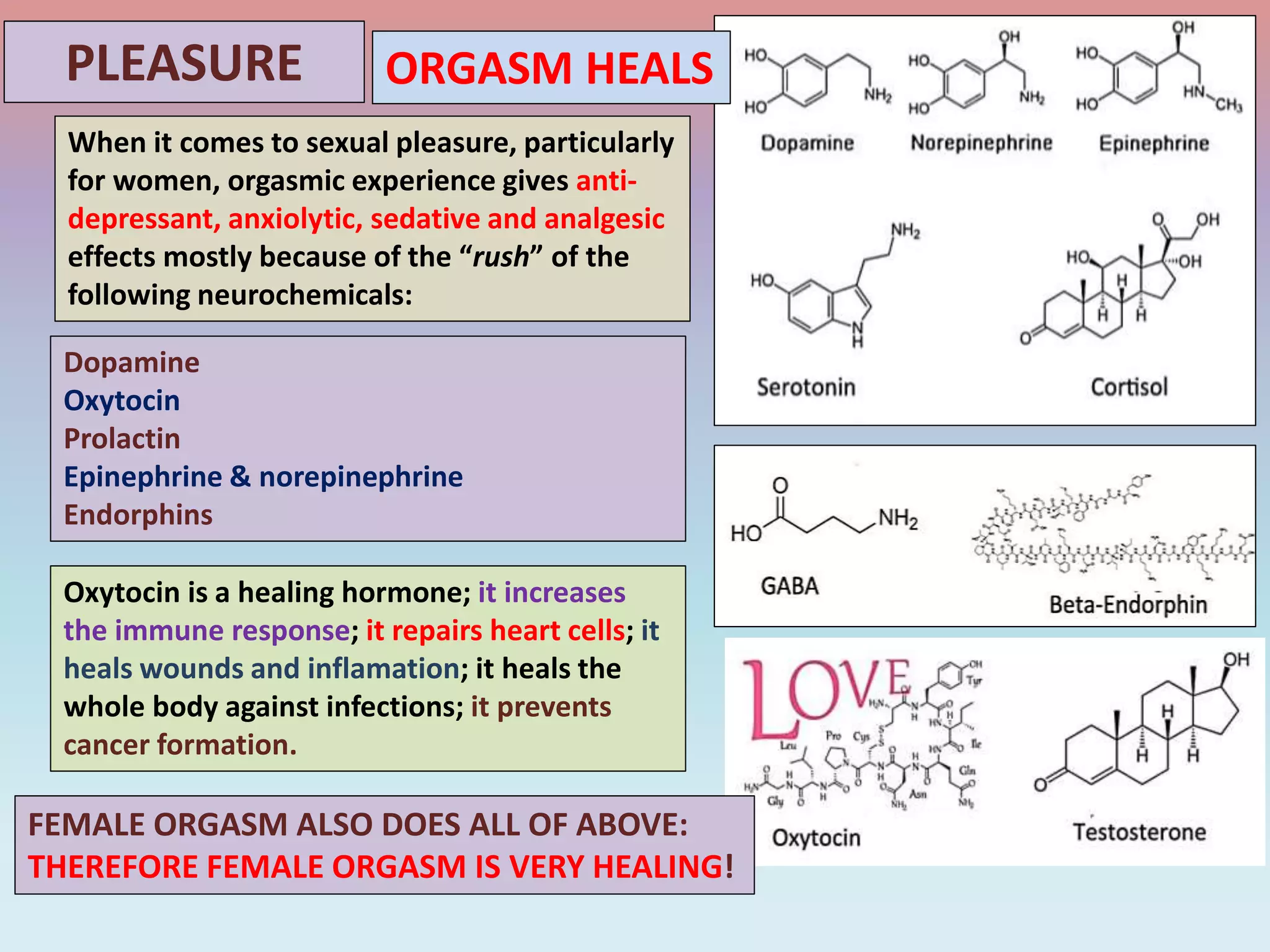
But oxytocin’s influence extends deeply into our internal landscape. One of its most profound effects is its role as a natural anxiolytic and stress reducer. When oxytocin is released, it acts as an antagonist to the body’s primary stress hormone, cortisol. Cortisol, while essential for acute stress responses, can become detrimental in chronic high levels, suppressing the immune system, disrupting sleep, and contributing to anxiety and depression. Oxytocin, by dampening the HPA (hypothalamic-pituitary-adrenal) axis, which governs the stress response, helps to bring the body back to a state of calm and equilibrium. It reduces the physiological markers of stress, such as heart rate and blood pressure, fostering a sense of peace and security.
Crucially, sexual activity, and particularly orgasm, is a potent stimulus for oxytocin release. The build-up of arousal, the intimate connection with a partner (or self), and the physical sensations culminating in climax all contribute to a surge of this powerful neuropeptide. The intensity and duration of the orgasm directly correlate with the amount of oxytocin released. A quick, fleeting orgasm might offer a pleasant spike, but a deeper, more prolonged, and more intense experience – such as those often reported with G-spot stimulation – promises a more substantial, sustained deluge of oxytocin.
This extended release allows oxytocin to saturate the body’s receptors, not just in the brain but throughout various peripheral tissues. It’s like a warm, comforting wave washing over the entire system, resetting internal parameters and leaving a lingering sense of well-being. This profound, widespread action is what we refer to as a beneficial "oxytocin overload" – a state where the body is deeply immersed in the hormone’s calming and connecting influence, setting the stage for a cascade of positive health outcomes, particularly concerning the immune system and mood. The maestro has tuned the orchestra, and the performance is about to begin.
Part 3: The "Oxytocin Overload" Hypothesis: A Deep Dive into Physiological Effects
The concept of "oxytocin overload" in the context of G-spot orgasms is not about an unhealthy excess, but rather a profoundly beneficial, sustained saturation of the body’s systems with this potent neuropeptide. Imagine a reservoir slowly filling to the brim, then overflowing, nourishing the surrounding landscape. This deep immersion in oxytocin, triggered by the unique intensity of G-spot orgasms, orchestrates a cascade of physiological effects that ripple through our immune system and mood, offering a compelling narrative of pleasure as medicine.
The Immune System: A Shield Strengthened by Serenity
The connection between our psychological state and our physical defenses is undeniable. This intricate dance is governed by the neuro-immuno-endocrine axis, a complex communication network linking the nervous, immune, and endocrine systems. At the heart of this connection lies stress. Chronic stress, characterized by elevated cortisol levels, is a notorious immune suppressor. It reduces the number and activity of critical immune cells like lymphocytes and natural killer (NK) cells, making us more vulnerable to infections, slower to heal, and potentially exacerbating inflammatory conditions.
Here is where the "oxytocin overload" from G-spot orgasms steps in as a potential game-changer. By profoundly reducing stress and anxiety, oxytocin indirectly but powerfully supports immune function. When oxytocin surges, it actively dampens the HPA axis, leading to a significant reduction in cortisol. This creates an internal environment where the immune system is no longer constantly battling the immunosuppressive effects of stress. It’s like lifting a heavy burden, allowing the immune system to operate at its optimal capacity, ready to identify and neutralize threats more effectively.
Furthermore, emerging research suggests that oxytocin might have more direct immunomodulatory effects. It has been shown to exhibit anti-inflammatory properties, potentially mitigating the chronic, low-grade inflammation that underlies many diseases. By reducing inflammation, oxytocin could help prevent damage to tissues and support the body’s healing processes. While direct evidence specifically linking G-spot orgasm-induced oxytocin surges to enhanced natural killer cell activity or specific antibody production is still an area ripe for further research, the well-established link between stress reduction and immune resilience provides a robust foundation for this hypothesis. A body steeped in oxytocin is a body less stressed, and a less stressed body is, unequivocally, a more robust and resilient body. It’s not a magic bullet, but a profound systemic shift that empowers our natural defenses.
Mood Enhancement: Beyond the Post-Coital Glow
The immediate euphoria following any orgasm is well-known, a temporary reprieve from worries, replaced by feelings of contentment and calm. However, the "oxytocin overload" from G-spot orgasms seems to offer something more enduring: a sustained enhancement of mood and emotional resilience that goes far beyond the fleeting post-coital glow.
The deep, pervasive nature of a G-spot orgasm, followed by a sustained release of oxytocin, profoundly impacts neural pathways associated with mood regulation. Oxytocin, by reducing anxiety and stress, directly contributes to a decrease in symptoms of depression and generalized anxiety. It promotes feelings of security, trust, and well-being, which are crucial for mental health. Regular, deeply satisfying sexual experiences, particularly those that trigger this significant oxytocin release, can act as a powerful buffer against the daily onslaught of stressors, helping to maintain emotional equilibrium.
Individuals who regularly experience intense orgasms often report improved sleep quality. The profound relaxation induced by oxytocin, combined with the release of other neurochemicals like serotonin and prolactin, helps to regulate sleep cycles, leading to more restorative rest. Better sleep, in turn, is foundational for both mood regulation and immune function, creating a virtuous cycle of wellness.
Moreover, the act of actively seeking and achieving such profound pleasure fosters a sense of self-awareness and self-empowerment. It validates the body’s capacity for immense pleasure and connection, which can significantly boost self-esteem and body image. This psychological uplift is a potent antidote to feelings of inadequacy or disconnect, fostering a healthier relationship with oneself and, by extension, with others. The "oxytocin overload" from G-spot orgasms, therefore, isn’t just a momentary peak of pleasure; it’s a profound re-tuning of the nervous system, leaving behind a lasting echo of calm, contentment, and emotional fortitude. It’s an internal narrative of joy and peace, written in the very chemistry of our being.
Part 4: The Holistic Tapestry: Integrating Mind, Body, and Spirit
The journey into the depths of G-spot orgasms and their potential for an "oxytocin overload" reveals more than just a biochemical transaction; it unveils a holistic tapestry where mind, body, and spirit are intricately interwoven. This is not merely about physical gratification; it is about embracing pleasure as an integral, powerful component of overall wellness and self-discovery.
In a world that often prioritizes productivity and external validation, the deliberate pursuit of profound pleasure through sexual exploration can feel radical. Yet, it is precisely this intentional engagement with our innate capacity for ecstasy that can unlock deeper levels of healing and resilience. The story of harnessing the power of G-spot orgasms is, at its heart, a story of self-love and self-care. It encourages individuals to listen to their bodies, to explore their unique landscape of sensation, and to claim their right to profound, transformative pleasure.



Post Comment