The Biology of Bliss: Understanding the G-Spot’s Role in Female Pelvic Health
For centuries, shrouded in myth and whispered in hushed tones, the concept of a singular, potent zone of female pleasure has captivated imaginations and sparked endless debate. From ancient texts hinting at its existence to modern scientific inquiry grappling with its elusive nature, the G-spot – or Gräfenberg spot – has remained a focal point in the intricate tapestry of female sexuality. This is not merely a tale of pleasure, however; it is a profound journey into the biology of bliss, revealing how this enigmatic region is inextricably linked to the broader landscape of female pelvic health and overall well-being. Our journey will peel back layers of history, anatomy, physiology, and psychology to unveil the G-spot not as an isolated entity, but as a crucial component of a dynamic, interconnected system, offering a deeper understanding of female empowerment and the holistic nature of intimate health.
A Whisper Through Time: The Historical Search for Female Pleasure
The story of the G-spot, like much of female anatomy and pleasure, has been one of rediscovery, suppression, and persistent curiosity. Long before the term "G-spot" was coined, ancient cultures, unburdened by some of the later Abrahamic religious constraints, often celebrated female sexuality with a more open understanding. Tantric traditions, for instance, spoke of energy points and intense pleasure zones within the female body that align remarkably with what we now understand as the G-spot region. Ancient Greek texts, particularly those from anatomists like Herophilus, hinted at a structure similar to the prostate in women, a concept that would be echoed centuries later.
However, as societies evolved and patriarchal structures became more entrenched, the focus on female pleasure often waned, replaced by an emphasis on reproduction and male satisfaction. The clitoris itself, a veritable powerhouse of pleasure, was often downplayed or surgically altered in punitive ways. In this landscape, the idea of an internal source of profound female climax became even more obscured, relegated to folklore or dismissed as an anatomical impossibility.
The modern chapter of this story truly begins in the 17th century with the Dutch anatomist Reinier de Graaf. In his 1672 treatise, "Concerning the Female Testicles or the Organs of Women Involved in Generation," de Graaf meticulously described the female reproductive system. Crucially, he noted "certain bodies" near the urethra that, when stimulated, could produce "an effluvium and a great pleasure." While he didn’t name it the "G-spot," his observations are remarkably prescient, describing what would much later be identified as the periurethral sponge and Skene’s glands.
Yet, de Graaf’s groundbreaking work, like many insights into female sexual anatomy, was largely forgotten or ignored for centuries. The Victorian era, with its severe sexual repression, further pushed any discussion of female pleasure beyond procreation into the shadows. It wasn’t until the 20th century, amidst the sexual revolution and a growing feminist movement, that serious attention began to turn back to the complexities of female sexual response.
In the 1950s, sexologists Masters and Johnson provided invaluable research into the physiology of sexual response, yet their focus remained primarily on the clitoris as the sole source of female orgasm. It was in the early 1980s that the term "G-spot" burst into popular consciousness, thanks to a paper by Addiego, Whipple, and Komisaruk, which credited German gynecologist Ernst Gräfenberg for his earlier (1950) descriptions of an erogenous zone on the anterior vaginal wall. Gräfenberg himself had built upon the work of Alexander Skene, who in the late 19th century described paraurethral glands (now known as Skene’s glands) that secreted fluid during arousal.
The naming of the G-spot ignited a firestorm of controversy. For some, it was a liberating discovery, validating experiences that many women had instinctively known but couldn’t articulate. For others, particularly within the medical community, it was dismissed as a myth, a psychological construct, or simply an extension of the clitoris. This historical backdrop sets the stage for our deeper dive, emphasizing that understanding the G-spot is not just about anatomy, but about challenging long-held assumptions and embracing the multifaceted nature of female sexual experience.
Beyond the Spot: The G-Urethral-Vaginal (GUV) Complex
To truly understand the "biology of bliss," we must move beyond the simplistic notion of the G-spot as a single, isolated "spot." Modern anatomical and physiological understanding points towards a more sophisticated concept: the G-Urethral-Vaginal (GUV) complex, or sometimes referred to as the clitourethrovaginal (CUV) complex. This recognition shifts the paradigm from a small, elusive target to an integrated, dynamic region of tissue that plays a pivotal role in intense female pleasure and, by extension, pelvic health.
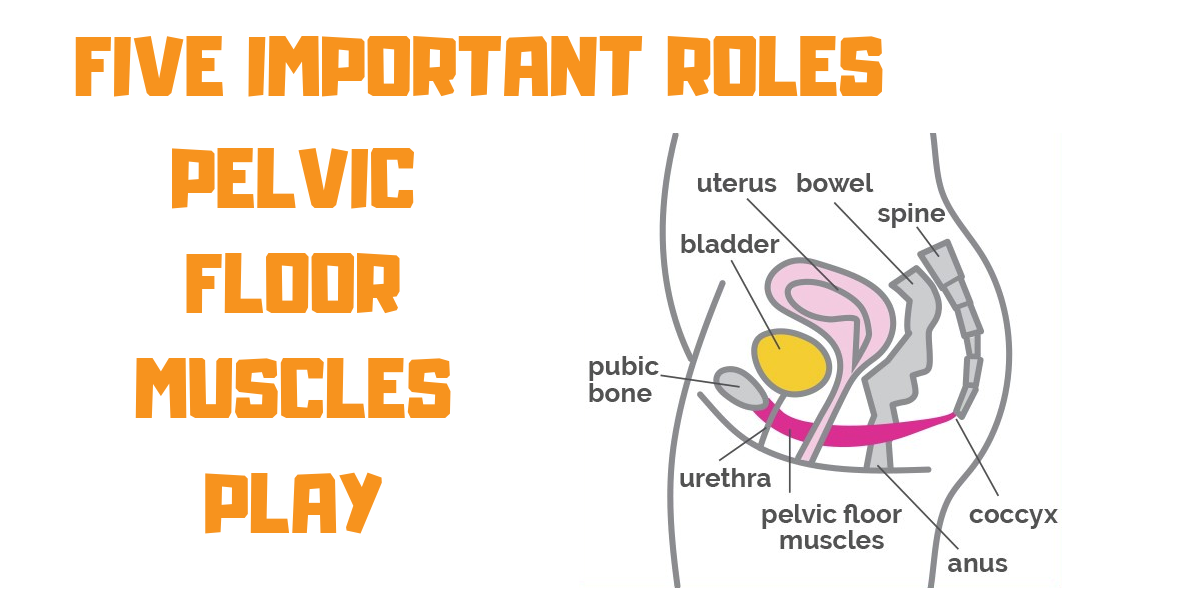
The GUV complex is located on the anterior (front) wall of the vagina, approximately 1 to 3 inches inside, behind the pubic bone and surrounding the urethra. It is not a distinct organ with defined borders, but rather a specialized, highly innervated, and vascularized region comprised of several interconnected structures:
-
The Periurethral Sponge: This is perhaps the most significant component. It’s an erectile tissue, similar in structure to the male corpus spongiosum (which surrounds the urethra in the penis), that wraps around the urethra. During sexual arousal, this tissue engorges with blood, swelling and becoming more prominent, making the G-spot region feel like a raised, sometimes bumpy or ridged area on the vaginal wall. The density of nerve endings within this sponge is exceptionally high, making it exquisitely sensitive to direct pressure and friction.
-
Skene’s Glands (Paraurethral Glands): These glands, also known as the female prostate, are embedded within the periurethral sponge and open into the urethra, or sometimes directly into the vestibule. Like the male prostate, they produce a fluid. During intense arousal and orgasm, these glands can secrete a clear, sometimes milky fluid, leading to the phenomenon often called "female ejaculation." We will delve deeper into this later.
-
The Internal Clitoris: This is a crucial connection that is often overlooked. While the visible clitoris (glans) is the tip of the iceberg, the internal structure of the clitoris extends deep into the pelvis, with two crura (legs) that attach to the pubic bone and two bulbs that lie beneath the labia majora. These bulbs of the clitoris are intimately intertwined with the periurethral sponge. Stimulation of the G-spot region often directly stimulates these internal clitoral structures, particularly the clitoral bulbs, creating a deep, resonant pleasure that is distinct from direct glans clitoral stimulation but deeply connected to it. This explains why many G-spot orgasms are described as "deeper" or "full-body" compared to external clitoral orgasms.
-
Nerve Endings and Vascularity: The entire GUV complex is exceptionally rich in nerve endings, particularly mechanoreceptors that respond to pressure and touch. These nerves transmit signals directly to the brain, contributing to the intense sensations. Furthermore, the area is highly vascularized, meaning it has an abundant blood supply. This rich blood flow is essential for the engorgement of the periurethral sponge and the optimal functioning of Skene’s glands.
The concept of the GUV complex elegantly resolves much of the historical controversy surrounding the G-spot. It is not a single, easily identifiable "button," but rather a dynamic, erectile, and glandular region that is anatomically and physiologically distinct from, yet intimately connected to, the external clitoris. Its location, surrounding the urethra, also sheds light on why some women report a sensation of needing to urinate during G-spot stimulation – it’s the pressure on the urethra and the engorgement of the surrounding tissue, not an actual need to void.
Understanding this complex architecture is the first step in appreciating the "biology of bliss" and how its stimulation can contribute to profound sexual satisfaction and, as we shall see, broader pelvic health.
The Physiology of Ecstasy: How the G-Spot Delivers Bliss
The intricate anatomy of the GUV complex lays the groundwork for understanding the profound physiological processes that culminate in the intense pleasure associated with G-spot stimulation. This is not a simple on-off switch but a cascade of neurovascular and glandular events.



Post Comment