Pelvic Floor Power: Can G-Spot Stimulation Improve Muscle Tonicity?
The landscape of female sexual health and well-being has long been a realm of both profound curiosity and frustrating scientific elusiveness. For decades, conversations around pelvic floor strength revolved primarily around Kegel exercises, incontinence, and post-partum recovery. Meanwhile, the G-spot, that enigmatic internal zone of intense pleasure, occupied a separate, often more titillating, but seemingly disconnected, sphere. Yet, as our understanding of the intricate interplay between anatomy, physiology, and pleasure deepens, a compelling question arises: Can G-spot stimulation, beyond its renowned capacity for ecstasy, also contribute to the vital tonicity and health of the pelvic floor muscles?
This is not merely a question of adding a pleasurable dimension to a necessary chore. It’s an inquiry into the very fabric of female embodiment, seeking to understand if the pathways of pleasure and power are, in fact, intertwined in a mutually beneficial dance. For the knowledgeable audience, accustomed to nuance and complexity, we embark on a journey through anatomy, neurophysiology, and the sparse but provocative scientific landscape, to explore the theoretical and potential practical implications of this fascinating hypothesis.
The Foundation: Understanding the Pelvic Floor
Before we delve into the electrifying possibilities of G-spot stimulation, we must first establish a firm understanding of the pelvic floor itself. Far from a simple hammock, the pelvic floor is a complex, multi-layered muscular and fascial structure that forms the base of the pelvis. It’s a silent, tireless architect, holding aloft organs, ensuring continence, and playing a pivotal, often underestimated, role in sexual function and core stability.
Anatomical Grandeur: The pelvic floor is primarily composed of the levator ani muscle complex (including the pubococcygeus, iliococcygeus, and puborectalis) and the coccygeus muscle. These muscles stretch like a trampoline from the pubic bone in the front to the tailbone (coccyx) in the back, and side-to-side between the ischial tuberosities (sit bones). They are perforated by three openings in women: the urethra, the vagina, and the rectum.
Beyond Support: A Multifaceted Role:
- Support: Its primary function is to support the pelvic organs (bladder, uterus, rectum) against the relentless pull of gravity and intra-abdominal pressure. Without adequate support, conditions like pelvic organ prolapse can occur.
- Continence: The muscles of the pelvic floor, particularly those surrounding the urethra and anus, act as sphincters, maintaining continence and preventing involuntary leakage of urine or feces.
- Sexual Function: The pelvic floor muscles contract rhythmically during orgasm, enhancing sensations for both partners. Their tonicity can directly impact vaginal sensation, clitoral sensitivity, and the ability to achieve orgasm.
- Core Stability: Increasingly recognized, the pelvic floor works synergistically with the diaphragm, transverse abdominis, and multifidus muscles to form the "inner core," contributing significantly to spinal stability and posture.
The Spectrum of Dysfunction: Like any muscle group, the pelvic floor can suffer from dysfunction.
- Weakness (Hypotonicity): Often due to childbirth, aging, hormonal changes, or lack of exercise, leading to stress incontinence, urgency, prolapse, and diminished sexual sensation.
- Tightness (Hypertonicity): Less commonly discussed but equally debilitating, this can result from chronic stress, trauma, endometriosis, or even excessive Kegel exercises performed incorrectly. Symptoms include chronic pelvic pain, dyspareunia (painful intercourse), urgency, and difficulty with bowel movements.
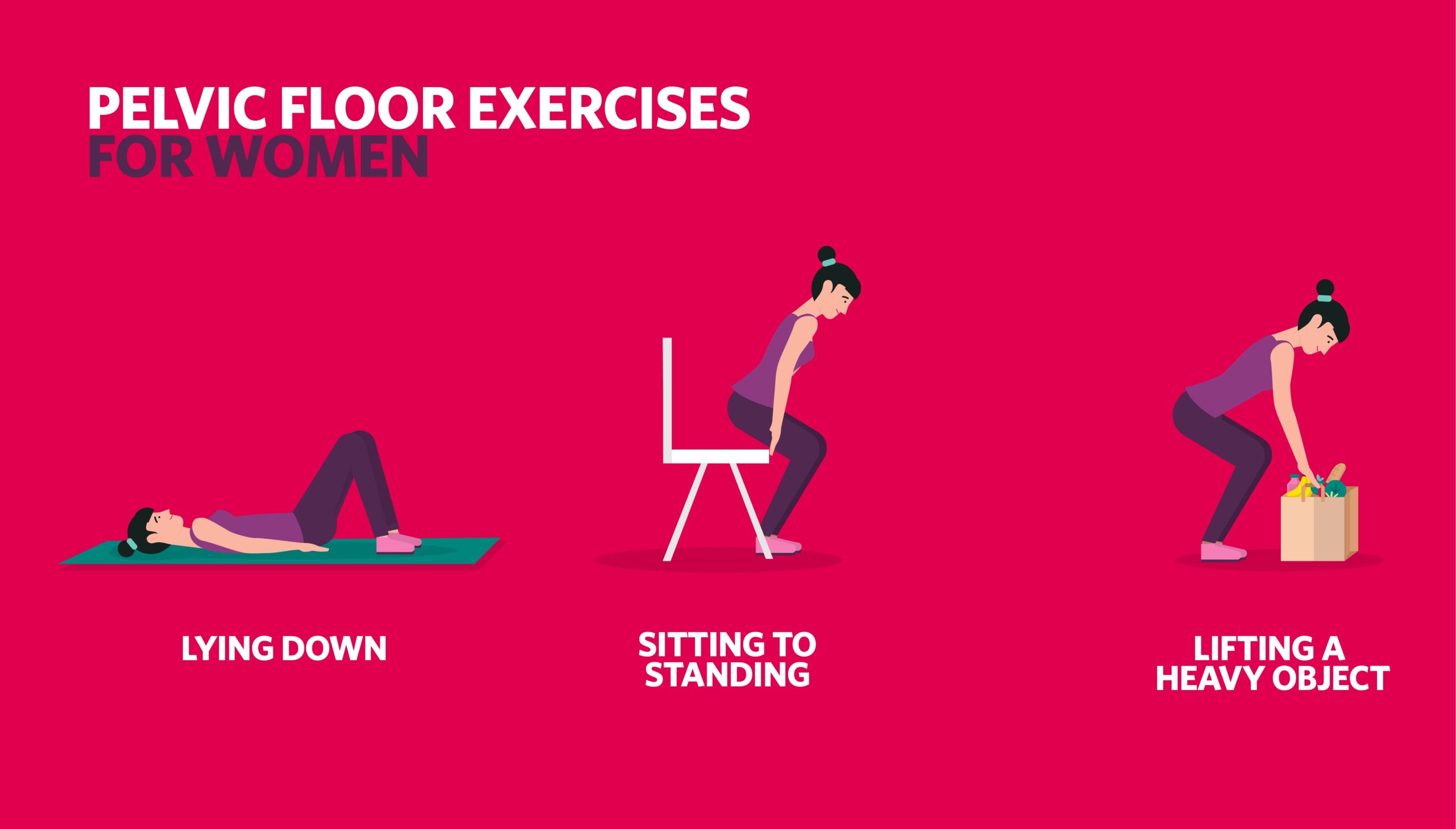
Traditional approaches to improving pelvic floor tonicity, such as Kegel exercises, biofeedback, and pelvic floor physical therapy, focus on conscious contraction and relaxation. But what if there’s a more innate, pleasure-driven pathway to strengthening this crucial muscle group?
The Enigma: Unpacking the G-Spot
The G-spot, named after German gynecologist Ernst Gräfenberg, has been a subject of intense debate, fascination, and personal exploration since its popularization in the 1980s. While some early research treated it as a distinct anatomical "spot," current understanding leans towards it being an area of heightened sensitivity and pleasure, rather than a single, precisely demarcated point.
Anatomical Context: The G-spot is generally described as an area on the anterior (front) wall of the vagina, typically 1-3 inches inside, behind the pubic bone, and surrounding the urethra. This region is anatomically contiguous with the urethral sponge (also known as the female prostate or Skene’s glands). This sponge-like tissue is rich in nerve endings, blood vessels, and glandular tissue, and it engorges with blood during arousal, becoming more prominent and sensitive to pressure.
Physiology of Stimulation: Stimulation of this area, often through direct pressure or "come hither" motions, can lead to profound sexual arousal, intense orgasms, and in some women, female ejaculation (the expulsion of fluid, often clear, from the Skene’s glands). The sensation is often described as a deep pressure, a feeling of fullness, or an internal massage, distinct from clitoral stimulation.
Neural Pathways: The G-spot area is innervated primarily by branches of the pudendal nerve, which also supplies the clitoris, labia, and much of the pelvic floor. This shared innervation is a critical piece of the puzzle, suggesting a potential for interconnected responses. Other nerves, including those from the hypogastric and sacral plexuses, also contribute to the rich sensory tapestry of the pelvic region.
The G-spot’s anatomical proximity to the pelvic floor muscles, its rich innervation, and its capacity for intense physiological responses during arousal and orgasm lay the groundwork for our central hypothesis.
Bridging the Gap: How G-Spot Stimulation Might Enhance Pelvic Floor Tonicity
Now, we arrive at the heart of the matter: how could stimulating this pleasure-centric zone potentially contribute to muscle tonicity? The connection is likely multi-factorial, involving a complex interplay of direct mechanical engagement, reflex arcs, voluntary conscious engagement, and broader physiological responses.
1. Direct Mechanical Engagement and Pressure:
The urethral sponge, when engorged during G-spot stimulation, expands. This expansion occurs within the relatively confined space of the anterior vaginal wall, directly adjacent to the deeper fibers of the pubococcygeus muscle, a key component of the levator ani.



Post Comment