The Emerald Jewel of the Tropics: Unveiling Guava’s Nutritional Grandeur as Nature’s Ultimate Superfood
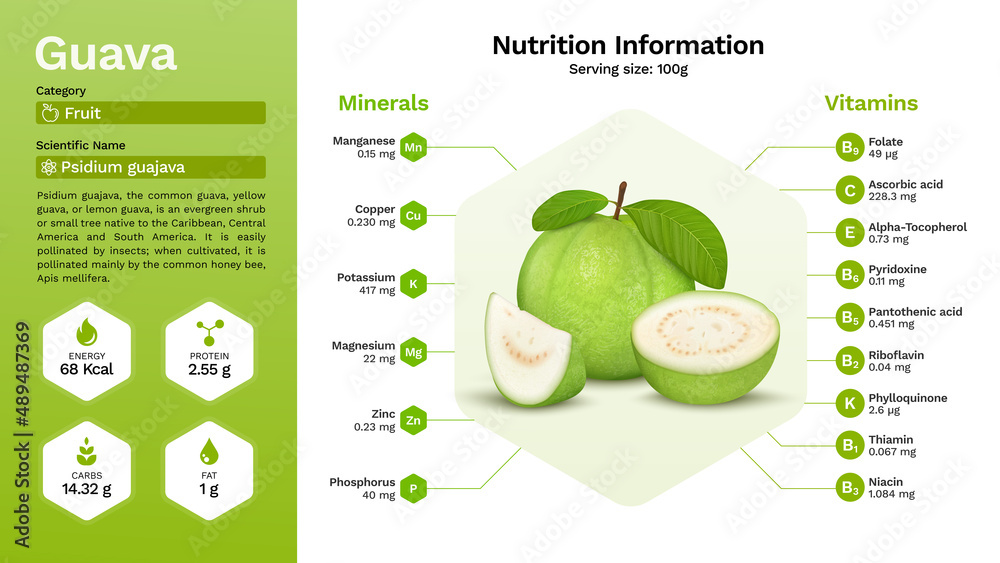
In the vast tapestry of botanical wonders, certain fruits stand out not just for their vibrant hues or tantalizing aromas, but for an intrinsic power that transcends mere sustenance. They are nature’s apothecaries, miniature pharmacies meticulously crafted by evolution to deliver a symphony of health-promoting compounds. Among these botanical titans, one fruit, often underestimated and sometimes overlooked, quietly holds court as a veritable powerhouse: the guava.
From its humble origins in the sun-drenched climes of Central and South America, the guava (Psidium guajava) has embarked on a remarkable journey, spreading its roots and its nutritional bounty across continents. Yet, despite its global ubiquity and the sheer pleasure it brings to palates worldwide, its profound nutritional profile remains largely unsung outside specific cultural contexts. This article seeks to rectify that oversight, to peel back the layers of this unassuming fruit and reveal why, through the lens of modern nutritional science and ancient wisdom, guava truly deserves the esteemed title of nature’s ultimate superfood.
Our journey into the heart of the guava will not merely be a list of vitamins and minerals; it will be a narrative, a story of how intricate biological compounds interact, how a single fruit can embody a holistic approach to health, and why, for the knowledgeable audience, understanding guava’s prowess is to grasp a fundamental truth about plant-based nutrition.
A Heritage of Healing: Guava Through the Ages
To truly appreciate the guava, we must first understand its lineage. Indigenous to a region stretching from Mexico to Peru, guava has been cultivated for millennia. Archaeological evidence from Peru suggests its consumption dates back to 800 B.C., a testament to its long-standing relationship with human civilization. Pre-Columbian cultures, including the Incas and Aztecs, revered the fruit not only for its sweet and tangy flesh but also for its medicinal properties. Traditional healers utilized various parts of the guava plant – leaves, bark, and fruit – to treat a spectrum of ailments, from digestive complaints and wounds to fevers and respiratory issues.
With the arrival of Spanish and Portuguese explorers, guava began its global migration, carried on ships to distant lands where it quickly adapted and flourished in tropical and subtropical regions across Asia, Africa, and the Pacific. This historical diffusion speaks volumes about the plant’s resilience and adaptability, traits that mirror its profound impact on human health. Each new culture embraced it, integrating it into their cuisines and traditional medicine, intuitively recognizing its inherent goodness long before the advent of chromatography and spectrophotometry could precisely quantify its molecular treasures.
The Macro Foundations: Beyond the Obvious
While guava is primarily celebrated for its micronutrients, it’s essential to acknowledge its foundational macronutrient composition. Unlike many fruits high in simple sugars, guava offers a balanced approach.
Fiber: The Gut’s Best Friend: Perhaps one of the most significant macronutrient contributions of guava is its extraordinary fiber content. A single medium-sized guava can provide well over 3 grams of dietary fiber, encompassing both soluble and insoluble forms.
- Insoluble fiber acts as a bulking agent, aiding in the smooth passage of food through the digestive tract, preventing constipation, and promoting regular bowel movements. It’s the architectural scaffolding of gut health.
- Soluble fiber, on the other hand, is the maestro of metabolic regulation. It dissolves in water to form a gel-like substance, which slows down digestion, allowing for a more gradual absorption of glucose into the bloodstream. This property is crucial for blood sugar management, making guava a remarkably beneficial fruit for individuals concerned with insulin sensitivity and type 2 diabetes. Furthermore, soluble fiber acts as a prebiotic, feeding the beneficial bacteria in the gut microbiome. A flourishing microbiome is now understood to be intrinsically linked to everything from immune function and mood regulation to nutrient absorption and even protection against chronic diseases.
Protein and Healthy Fats: While not a primary source, guava does contribute a modest amount of plant-based protein, around 1-2 grams per fruit, which is noteworthy for a fruit. It also contains negligible amounts of healthy fats, primarily polyunsaturated and monounsaturated varieties, though these are not a significant caloric contributor. This low fat, moderate protein, high fiber profile positions guava as an exceptionally satisfying and nutrient-dense snack, promoting satiety and aiding in weight management without contributing to caloric excess.
The Micronutrient Symphony: A Kaleidoscope of Vitality
Where guava truly shines, however, is in its unparalleled concentration of micronutrients – the vitamins and minerals that orchestrate countless physiological processes within the human body.
Vitamin C: The Ascorbic Acid Anomaly
When one thinks of Vitamin C, oranges typically come to mind. Yet, guava often leaves citrus fruits far behind in the race for ascorbic acid supremacy. A single serving of guava can contain over 200 mg of Vitamin C, dwarfing the typical orange’s contribution and often providing more than double the recommended daily intake for adults. This isn’t just a numerical superiority; it’s a profound biological advantage.
Vitamin C is not merely an immune booster; it is a ubiquitous, essential nutrient involved in an astonishing array of bodily functions:
- Collagen Synthesis: It is a critical co-factor in the hydroxylation of proline and lysine, amino acids essential for the formation of collagen, the most abundant protein in the human body. Collagen is the structural scaffold of skin, bones, tendons, ligaments, and blood vessels. Adequate Vitamin C intake is therefore fundamental for wound healing, maintaining skin elasticity, and ensuring the integrity of connective tissues.
- Powerful Antioxidant: Vitamin C is a potent water-soluble antioxidant, meaning it can neutralize free radicals in the aqueous compartments of the body. Free radicals, byproducts of metabolism and environmental exposure, can cause oxidative stress, leading to cellular damage and contributing to aging and chronic diseases like cancer, heart disease, and neurodegenerative disorders. Guava’s high Vitamin C content provides a robust defense mechanism against this constant cellular assault.
- Immune System Modulation: Beyond its antioxidant role, Vitamin C actively supports various immune cell functions, including phagocytosis by neutrophils and macrophages, and the production of lymphocytes. It also helps regenerate other antioxidants like Vitamin E, further amplifying the body’s protective capacity.
- Iron Absorption: Vitamin C significantly enhances the absorption of non-heme iron (iron from plant sources) in the digestive tract, a crucial benefit for vegetarians and vegans, and a key factor in preventing iron-deficiency anemia.
The sheer abundance of Vitamin C in guava isn’t just impressive; it signifies a potent, multi-faceted biological advantage, making it a cornerstone of cellular protection and physiological resilience.
Vitamin A and Carotenoids: The Visionary Pigments
While guava isn’t traditionally associated with Vitamin A like carrots, certain varieties, particularly pink and red-fleshed guavas, are rich sources of beta-carotene and other provitamin A carotenoids. These compounds are precursors that the body converts into Vitamin A (retinol), an essential fat-soluble vitamin.
Vitamin A is indispensable for:


Post Comment