Guava and Glycemic Control: How This Tropical Fruit Supports Blood Sugar Management
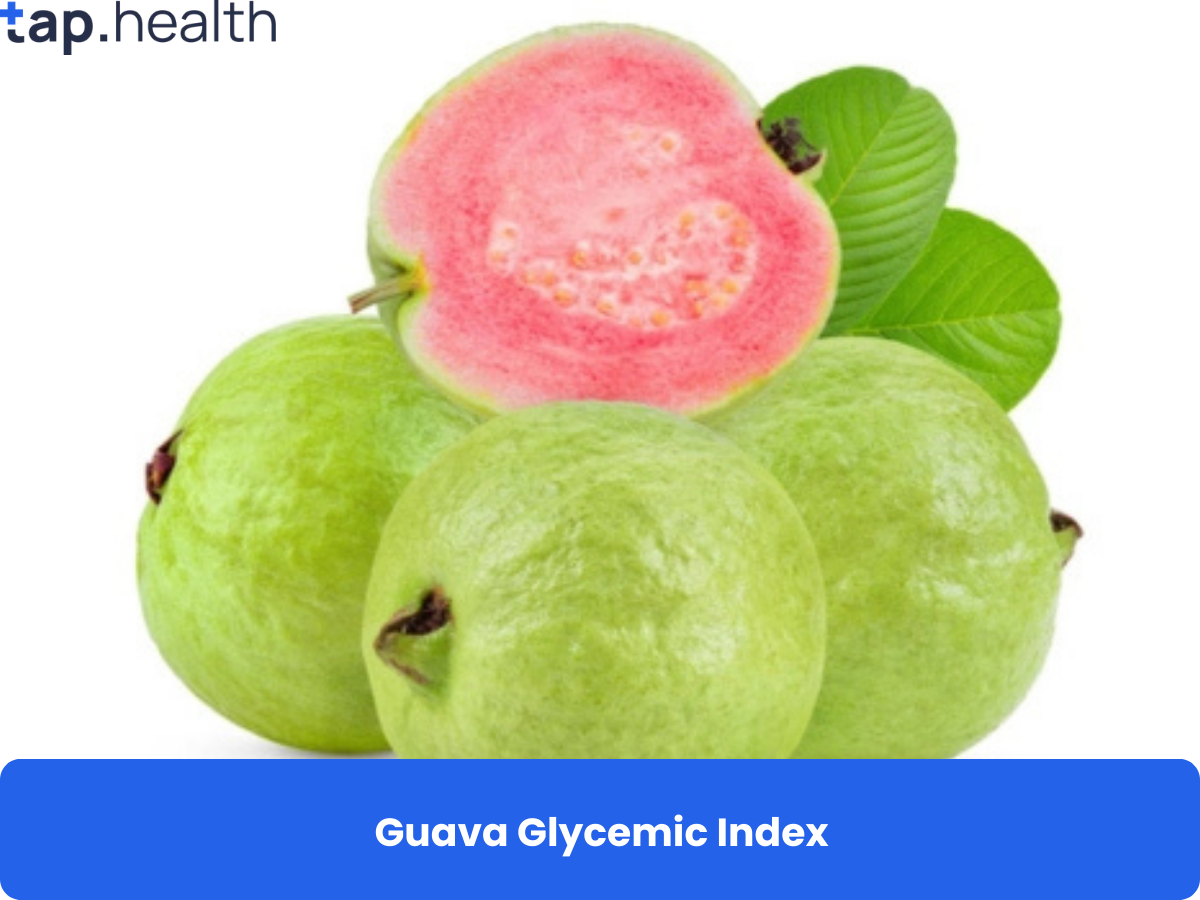
In a world increasingly grappling with the silent epidemic of diabetes and related metabolic disorders, the search for natural, sustainable, and effective strategies for blood sugar management has never been more urgent. While pharmaceutical interventions and lifestyle modifications form the bedrock of conventional treatment, the role of dietary choices and the potential of specific functional foods are gaining significant attention. Among the myriad of fruits lauded for their health benefits, the humble guava (Psidium guajava) emerges as a surprisingly potent ally in the quest for glycemic control.
More than just a delicious tropical treat, guava is a nutritional powerhouse, brimming with compounds that interact with our physiology in profound ways. Its widespread availability, affordability, and rich history in traditional medicine make it a compelling subject for modern scientific inquiry, particularly concerning its potential to support individuals in managing their blood sugar levels and mitigating the risks associated with diabetes. This article delves deep into the multifaceted ways guava, in its various forms, contributes to glycemic control, exploring the science, the traditional wisdom, and the practical implications of incorporating this remarkable fruit into a blood sugar-friendly diet.
The Silent Epidemic: Understanding Diabetes and Glycemic Dysregulation
Before we unravel guava’s specific contributions, it’s crucial to understand the landscape of diabetes and glycemic dysregulation. Diabetes mellitus, primarily Type 2 diabetes, is characterized by elevated blood glucose levels (hyperglycemia) resulting from either the body’s inability to produce enough insulin (a hormone that regulates glucose) or to effectively use the insulin it produces (insulin resistance). Prediabetes, a precursor to Type 2 diabetes, involves blood sugar levels that are higher than normal but not yet high enough to be diagnosed as full-blown diabetes.
The long-term consequences of uncontrolled hyperglycemia are severe, affecting nearly every organ system. They include cardiovascular disease, kidney failure, nerve damage (neuropathy), vision impairment (retinopathy), and increased risk of infections. Managing blood sugar is therefore not just about avoiding immediate symptoms, but about preventing a cascade of debilitating complications.
Conventional management involves a combination of medication (oral hypoglycemics, insulin), strict dietary control (limiting refined carbohydrates, monitoring portion sizes), regular physical activity, and weight management. However, these approaches often come with side effects, adherence challenges, and a continuous need for monitoring. This context highlights the immense value of complementary strategies, particularly those rooted in nutrition, that can support and enhance conventional care, making the role of fruits like guava increasingly relevant.
The Guava Profile: A Nutritional Powerhouse Beyond Sweetness
Guava, belonging to the Myrtaceae family, is native to Mexico, Central America, and South America, but is now cultivated in tropical and subtropical regions worldwide. Its distinct aroma, sweet-tart taste, and varying flesh colors (white, pink, red) make it a culinary delight. However, its true power lies in its complex nutritional composition.
1. Exceptional Fiber Content: Guava is renowned for its high dietary fiber content. A single medium-sized guava can provide a significant portion of the recommended daily fiber intake. This fiber is a mix of both soluble and insoluble types, each playing a critical role in metabolic health.
- Soluble fiber: Forms a gel-like substance in the digestive tract, which slows down the absorption of sugars into the bloodstream, thereby mitigating postprandial (after-meal) glucose spikes. It also contributes to satiety, helping with weight management, and can bind to cholesterol, aiding cardiovascular health.
- Insoluble fiber: Adds bulk to stool, promoting regular bowel movements and gut health. A healthy gut microbiome is increasingly recognized as a key player in insulin sensitivity and metabolic regulation.
2. A Vitamin C Champion: Guava outranks oranges in Vitamin C content, an essential antioxidant. Vitamin C plays a role in reducing oxidative stress, a significant contributor to insulin resistance and pancreatic beta-cell dysfunction in diabetes.
3. Potassium for Electrolyte Balance and Blood Pressure: Rich in potassium, guava supports healthy blood pressure levels, which is crucial for individuals with diabetes who are at a higher risk of hypertension and cardiovascular complications.
4. The Phytonutrient Arsenal: Beyond Vitamins and Minerals: This is where guava truly shines in the context of glycemic control. Guava is packed with a diverse array of bioactive compounds, known as phytonutrients, each contributing to its medicinal properties:
- Polyphenols and Flavonoids: These include quercetin, catechin, epicatechin, and gallic acid. These compounds are potent antioxidants and possess anti-inflammatory properties. Quercetin, in particular, has been extensively studied for its antidiabetic potential, influencing glucose metabolism and insulin signaling.
- Carotenoids: Especially in pink and red varieties, guava contains lycopene, another powerful antioxidant known for its role in reducing oxidative stress and inflammation, both of which are implicated in the progression of diabetes.
- Triterpenes: Compounds like oleanolic acid and ursolic acid found in guava leaves and fruit have demonstrated hypoglycemic effects in various studies, often by improving insulin sensitivity or inhibiting carbohydrate-digesting enzymes.
The synergistic action of these components – the fiber working alongside the antioxidants and specific bioactive compounds – is what gives guava its unique potential in supporting glycemic control. It’s a testament to nature’s complex pharmacy.
Guava’s Mechanisms of Action: How it Supports Blood Sugar Management
The scientific community has begun to dissect the intricate ways guava exerts its antidiabetic effects. These mechanisms are diverse, targeting multiple pathways involved in glucose metabolism, insulin signaling, and overall metabolic health.
1. Slowing Carbohydrate Digestion and Absorption:
- Dietary Fiber: As mentioned, both soluble and insoluble fibers play a pivotal role. Soluble fiber creates a viscous gel in the small intestine, physically impeding the rate at which glucose is absorbed into the bloodstream. This leads to a slower, more gradual rise in blood sugar after meals, reducing the burden on the pancreas to produce large amounts of insulin.
- Enzyme Inhibition: Guava, particularly its leaves, contains compounds that inhibit carbohydrate-digesting enzymes such as alpha-amylase and alpha-glucosidase. Alpha-amylase breaks down complex carbohydrates into simpler sugars, while alpha-glucosidase further breaks down disaccharides into absorbable monosaccharides (like glucose). By inhibiting these enzymes, guava slows down the overall breakdown and absorption of carbohydrates, mimicking the action of some pharmaceutical drugs used in diabetes management (e.g., acarbose). This mechanism is crucial for preventing postprandial hyperglycemia.


Post Comment